Table of Contents
Introduction
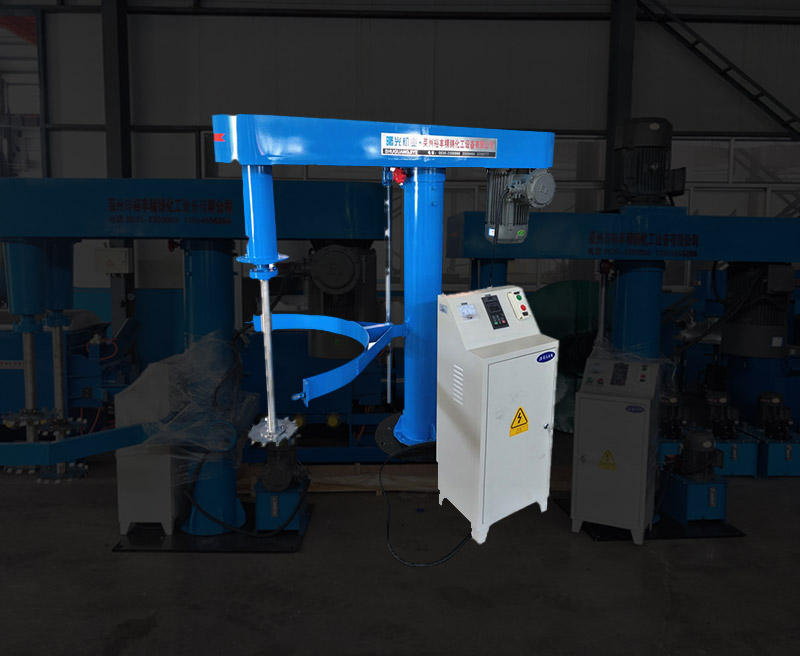
A high speed disperser machine is a critical piece of industrial mixing equipment that plays a pivotal role in many production lines. It is designed to disperse powders, pigments, and other solid particles uniformly into liquid mediums, ensuring consistent quality and performance. Its applications span across diverse industries, including paint and coatings, adhesives, chemicals, cosmetics, inks, and resin production. By generating high shear forces, a high speed disperser enables rapid blending and precise dispersion, which traditional mixing methods cannot achieve efficiently.
As a direct manufacturer of high speed disperser machines, we focus on producing equipment that meets industrial standards while offering customization for specific production needs. Our machines are designed for small laboratory batches as well as large-scale industrial production. Factories using our equipment benefit from faster production cycles, more uniform product quality, and the ability to process materials of varying viscosities with minimal operator intervention.
What a High Speed Disperser Machine Is Used For
High speed dispersers are mainly employed for: wetting powders into liquids, dispersing pigments for paints and inks, breaking down particle agglomerates, preparing emulsions, and blending viscous materials like adhesives and resins. They are especially useful for materials that are difficult to mix evenly due to high viscosity or sticky properties. In cosmetics and chemical industries, they ensure smooth texture, prevent lumps, and maintain product stability over time.
Why Manufacturers Rely on High Shear Dispersion Equipment
Manufacturers increasingly choose high speed dispersers over traditional mixers because of their high efficiency and precision. Unlike standard mixers, a high speed disperser produces strong shear forces that reduce mixing time, enhance particle wetting, and ensure a uniform distribution of solids in liquids. This results in improved color strength in paints, better texture in cosmetic creams, and consistent viscosity in adhesives. The ability to process materials quickly and reliably makes these machines indispensable for high-volume production.
Industries That Commonly Use High Speed Dispersers
High speed dispersers are essential in a variety of industries. In paint and coatings, they enable rapid pigment dispersion and filler wetting. Adhesive and resin manufacturers rely on them to mix high-viscosity materials efficiently. Chemical producers use dispersers for emulsions and polymer solutions, while the cosmetics industry benefits from uniform creams, lotions, and gels. Even ink and dye manufacturers achieve improved color quality and stability using high shear mixers. The versatility of these machines makes them a valuable investment for almost any production environment requiring uniform blending.
How a High Speed Disperser Machine Works
The working principle of a high speed disperser machine is based on high shear mixing. The impeller blade rotates at high speeds, typically ranging from 500 to 3,000 RPM, generating intense turbulence in the mixing tank. This turbulence draws solid particles into the high-energy zone, where they are broken down and evenly distributed throughout the liquid. The resulting mixture is smooth, homogeneous, and free of clumps.
Basic Mixing and Dispersion Principles
The core principle behind a high speed disperser is the application of shear force. High rotational speed and specially designed impeller blades ensure that solid particles are efficiently broken down and dispersed in the liquid. The combination of centrifugal force and turbulence reduces mixing time while increasing product uniformity. This makes dispersers highly effective for pigment wetting in paints, powder incorporation in chemicals, or creating stable emulsions in cosmetics.
The Role of High Shear Blades and Rotational Speed
The impeller blade type and rotation speed directly influence mixing efficiency. Saw-tooth, toothed, or paddle-style blades can be selected depending on the material’s viscosity and mixing requirements. High-speed rotation ensures fine particle dispersion, while careful blade design prevents air entrapment, which is crucial for foaming-sensitive formulations. Adjusting speed according to material viscosity ensures optimal dispersion and prevents over-shearing or heat generation.
Factors That Affect Dispersing Efficiency
Dispersing efficiency is affected by multiple factors, including material viscosity, batch size, tank dimensions, blade type, lifting height, and speed control systems. Variable frequency drives (VFD) allow precise speed adjustments, ensuring that high shear dispersers can handle delicate emulsions as well as heavy, viscous materials. Proper configuration of these parameters results in uniform dispersion, shorter mixing times, and higher product consistency.
Key Components and Technical Structure
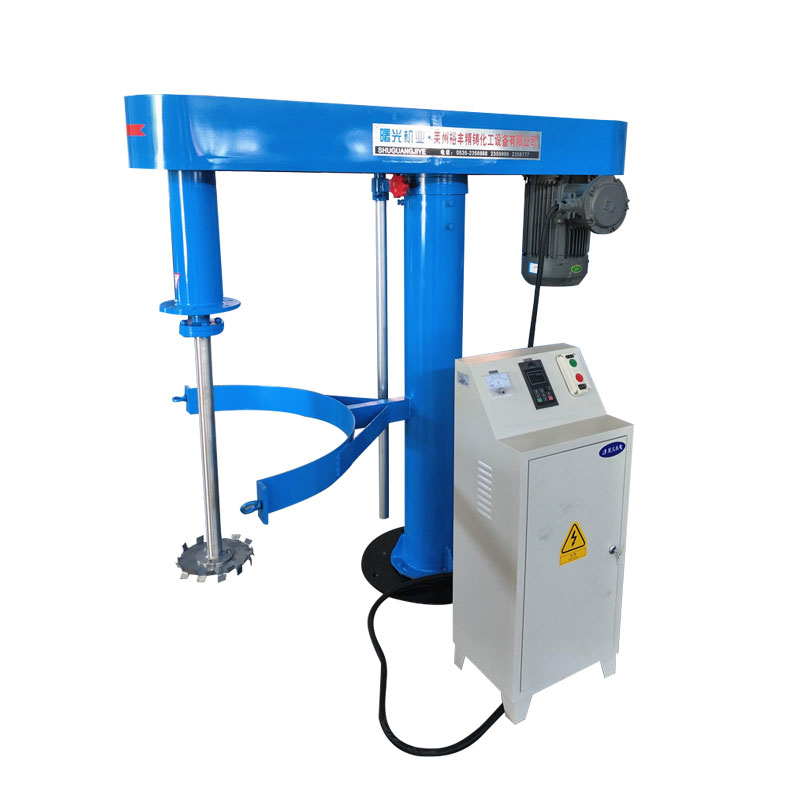
A high speed disperser machine consists of several precision-engineered components that work together to ensure stable, high-performance operation.
Motor, Shaft, and Impeller Blade
The motor is the heart of the disperser, providing the necessary torque to drive the shaft and impeller blade. Industrial dispersers often use high-torque motors capable of sustaining continuous operation under heavy loads. The stainless steel impeller blades are designed to withstand abrasive or viscous materials while ensuring even particle dispersion.
Hydraulic or Mechanical Lifting System
The lifting system allows precise adjustment of the blade height to accommodate different batch sizes and tank volumes. Hydraulic lifting systems are preferred for industrial applications because they provide smooth, controlled movement and reduce operator effort. Mechanical lifting is simpler but may require more maintenance over time.
Control Panel and Speed Adjustment Options
Modern dispersers are equipped with digital control panels, frequency inverters, and overload protection systems. These features allow operators to adjust speed, monitor torque, and ensure safe operation. Some models also include timers, emergency stops, and programmable mixing profiles for different formulations.
Differences Between Standard and Vacuum High Speed Dispersers
Vacuum high speed dispersers remove air from the mixing tank, which prevents foam formation and oxidation. They are ideal for sensitive materials such as adhesives, high-quality paints, and cosmetic creams. Standard dispersers are sufficient for general mixing needs but may not prevent air entrapment in highly viscous or foam-sensitive products.
Main Applications Across Industrial Sectors
High speed dispersers are versatile and widely used for processing a variety of industrial materials.
High Speed Disperser Machine for Paint and Coating Production
These machines are indispensable for paint manufacturers. They disperse pigments, fillers, and additives evenly, producing consistent color and viscosity. High shear force reduces mixing time and ensures a smooth final product, even for high-pigment-load paints.
Pigment Dispersion and Powder Wetting Processes
Proper pigment dispersion ensures color strength, gloss, and long-term stability. A high speed disperser can achieve fine particle wetting and prevent lumps or agglomerates, which is critical for coatings, inks, and other pigment-based products.
High Speed Disperser Machine for Adhesives and Resins
Viscous materials like epoxies, PU resins, and glues require strong shear forces to achieve a uniform mixture. Dispersers reduce processing time and improve homogeneity, ensuring the adhesive or resin performs consistently in its end-use applications.
Cosmetic Creams, Lotions, and Gel Solutions
In cosmetics, a vacuum high speed disperser ensures smooth texture and prevents air bubbles. It allows precise incorporation of active ingredients and stabilizes emulsions, resulting in high-quality creams, gels, and lotions that meet stringent cosmetic standards.
Chemical Blending and Emulsion Preparation
For chemicals, dispersers ensure even distribution of polymers, additives, and emulsifiers. This consistency is crucial for performance, stability, and shelf life. High speed dispersers also reduce processing time compared with traditional stirring methods, enhancing production efficiency.
Types of High Speed Disperser Machines
Different production needs require tailored disperser designs.
Laboratory High Speed Disperser
Used for research and development, small-batch trials, and color matching. Laboratory dispersers offer precise speed control and are ideal for experimenting with new formulations before scaling up to industrial production.
Industrial High Speed Disperser Machine
Designed for large-scale production, these machines can handle medium- to high-viscosity materials and continuous operation. They are robust, energy-efficient, and capable of high-volume mixing.
Double-Shaft High Speed Disperser Machine
Combines high-speed dispersion with slow-speed stirring. Ideal for extremely viscous materials, this type ensures both thorough mixing and particle uniformity.
Vacuum High Speed Disperser Machine
Removes air during mixing to prevent oxidation and foam formation. Commonly used in adhesives, coatings, and cosmetic formulations.
Platform and Tank-Mounted Dispersers
Platform-mounted dispersers allow flexibility in handling multiple tanks, while tank-mounted designs offer compact solutions for production lines with limited floor space.
How to Choose the Right High Speed Disperser Machine
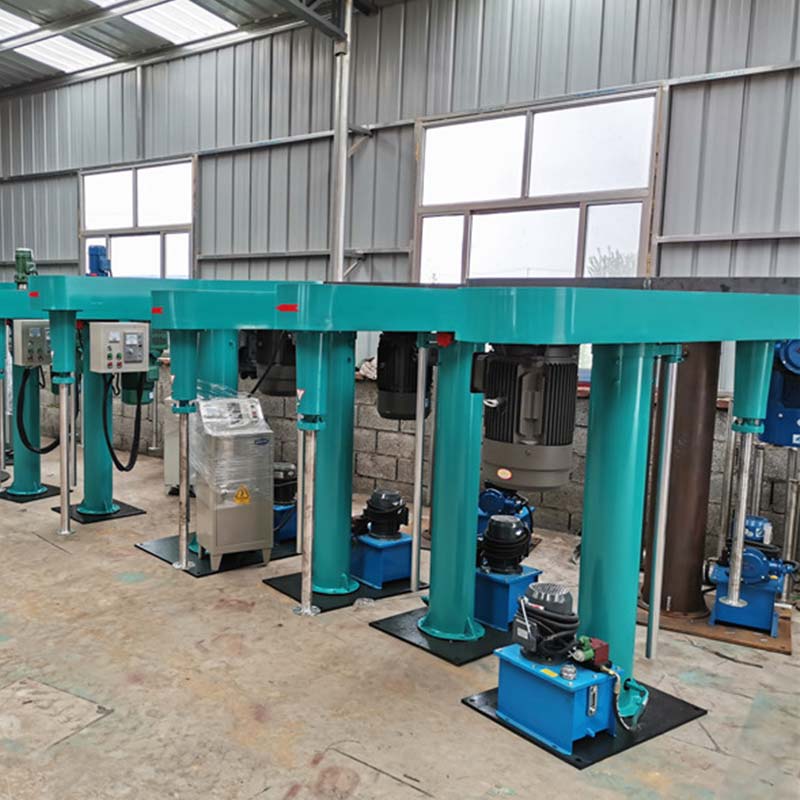
Choosing the right disperser depends on production requirements, material characteristics, and process goals.
Capacity Considerations (5L–1000L)
The batch size determines the tank volume and impeller size. Small lab dispersers are suitable for trials, while industrial tanks of 500–1000L handle large production runs efficiently.
Choosing the Right Impeller Blade Type
Blade design affects shear strength and dispersion quality. Saw-tooth or toothed blades are ideal for high-viscosity products, while paddle blades work better for delicate emulsions.
Power Requirements and Motor Selection
High-viscosity materials demand higher horsepower motors. Selecting the correct motor ensures consistent performance and reduces wear on components.
Mixing Speed Range and Variable Frequency Control
Variable speed control allows precise adjustments for different materials, preventing over-shearing or insufficient mixing. Digital control systems enhance repeatability and product consistency.
Choosing a Manufacturer with Customization Capabilities
As a manufacturer, we offer customized solutions:
- Tailored tank sizes and blade designs
- Hydraulic or mechanical lifting options
- Vacuum or standard disperser configurations
- High-torque motor customization
These ensure the disperser is optimized for your unique production process.
Performance Advantages of a High Speed Disperser Machine
A well-designed disperser provides measurable benefits to production lines.
Improved Dispersion Efficiency Compared to Traditional Mixers
High shear force reduces mixing time and ensures fine particle dispersion, achieving a smoother, more uniform product.
Better Powder Wetting and Lump-Free Mixing
Efficient particle wetting eliminates lumps and ensures complete integration of pigments, fillers, and powders.
Energy Efficiency and Faster Production Cycles
Reduced mixing time translates into lower energy consumption and higher throughput, improving operational efficiency.
Consistent Quality for High-Viscosity Materials
High speed dispersers maintain product consistency, even with challenging formulations or high-viscosity materials, reducing waste and rework.
Operation, Maintenance, and Safety Tips
Recommended Operating Speed for Different Materials
Each material has an optimal speed range to prevent over-shearing or incomplete dispersion. Fine-tuning speed ensures superior results.
Daily Maintenance for Longer Equipment Lifespan
Regular maintenance includes:
- Lubricating moving parts
- Inspecting blades and shafts
- Checking hydraulic oil levels
- Cleaning tanks to prevent residue buildup
This ensures longevity and stable performance.
Troubleshooting Common Issues
| Issue | Possible Cause | Solution |
|---|---|---|
| Excessive noise | Loose blade, shaft misalignment | Tighten blade or replace worn parts |
| Poor dispersion | Incorrect speed or blade type | Adjust speed, replace blade |
| Overheating | Overloading, prolonged operation | Reduce batch size, allow cooling |
| Air bubbles / foam | Non-vacuum operation | Switch to vacuum disperser |
| Material sticking to tank | Improper blade height or insufficient shear | Adjust blade height, check blade clearance |
Safety Guidelines for Operators
Operators should wear protective equipment, avoid contact with moving parts, secure the tank properly, and follow emergency stop procedures. Adhering to safety guidelines prevents accidents and ensures smooth operation.
Why Choosing a Direct Manufacturer Matters
Customization Options for Specific Production Needs
Working directly with the manufacturer allows for tailored solutions based on batch size, material viscosity, and process requirements.
Quality Control Standards in Manufacturing
Factory-level testing ensures each high speed disperser meets performance, durability, and safety standards.
Cost Advantages of Buying Direct From the Factory
Purchasing directly reduces intermediate costs, providing a better return on investment and more predictable pricing.
After-Sales Support and Spare Parts Availability
Direct manufacturers provide reliable technical support and spare parts services, ensuring minimal downtime and continued production efficiency.
Comparison With Other Mixing Equipment
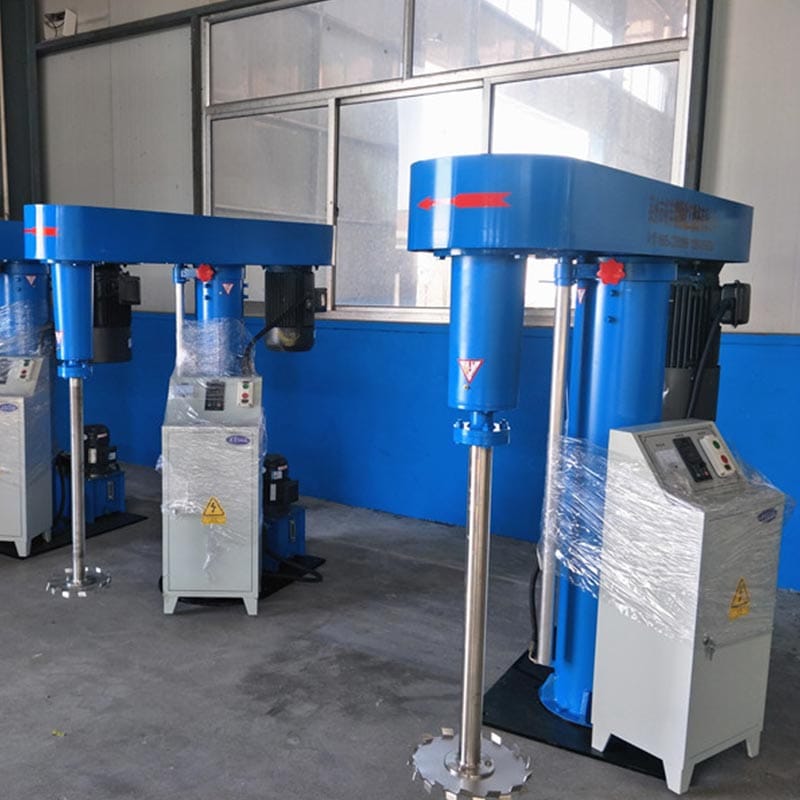
High Speed Disperser Machine vs. Homogenizer
Dispersers are better for high-viscosity materials, while homogenizers excel at fine emulsification and ultra-small particle sizes.
High Speed Disperser Machine vs. Ribbon Blender
Ribbon blenders are designed for dry powders or low-viscosity liquids, whereas dispersers achieve uniform wetting and high shear mixing.
High Speed Disperser vs Planetary Mixer
Planetary mixers handle extremely viscous materials and can knead, but high speed dispersers deliver superior shear force for dispersion applications.
When a Multi-Shaft Mixing System Is Required
In complex processes, multi-shaft systems combine high-speed dispersion and low-speed stirring with heating or cooling cycles for optimal results.
Conclusion
High speed disperser machines are indispensable for industries requiring efficient, high-quality mixing of powders, pigments, adhesives, resins, chemicals, and cosmetic products. Their high shear capability, combined with adjustable speed and blade options, ensures uniform dispersion, improved production efficiency, and consistent product quality.
As a direct manufacturer, we provide customizable, durable, and energy-efficient dispersers that meet a wide range of industrial requirements. By investing in a high-quality high speed disperser machine, production facilities can reduce processing time, enhance product consistency, and achieve significant cost savings.
For companies looking to optimize their mixing processes, improve product quality, or scale up production, consulting with a manufacturer directly ensures access to the best equipment and technical guidance tailored to specific needs.
FAQ
Q1: What is a high speed disperser machine used for?
A: A high speed disperser machine is used to mix, disperse, and emulsify powders and liquids. It ensures uniform particle distribution in industries like paint, coatings, adhesives, chemicals, and cosmetics.
Q2: How does a high speed disperser machine work?
A: It works by rotating a high-speed impeller to generate strong shear forces. This breaks down solid particles and disperses them evenly in liquids, providing consistent mixing and smooth texture.
Q3: What are the main types of high speed disperser machines?
A: The main types include lab dispersers, industrial high speed dispersers, vacuum dispersers, double-shaft dispersers, and tank-mounted dispersers. Each type suits specific batch sizes and material viscosities.
Q4: How do I choose the right high speed disperser machine for my production?
A: Consider your batch size, material viscosity, required shear force, and whether you need vacuum operation. Working with a direct manufacturer ensures customization for your production needs.
Q5: What maintenance is required for a high speed disperser machine?
A: Regular maintenance includes lubricating moving parts, inspecting blades and shafts, cleaning the tank, and checking hydraulic or mechanical lifting systems. Proper upkeep extends lifespan and ensures consistent performance.