Table of Contents
Introduction

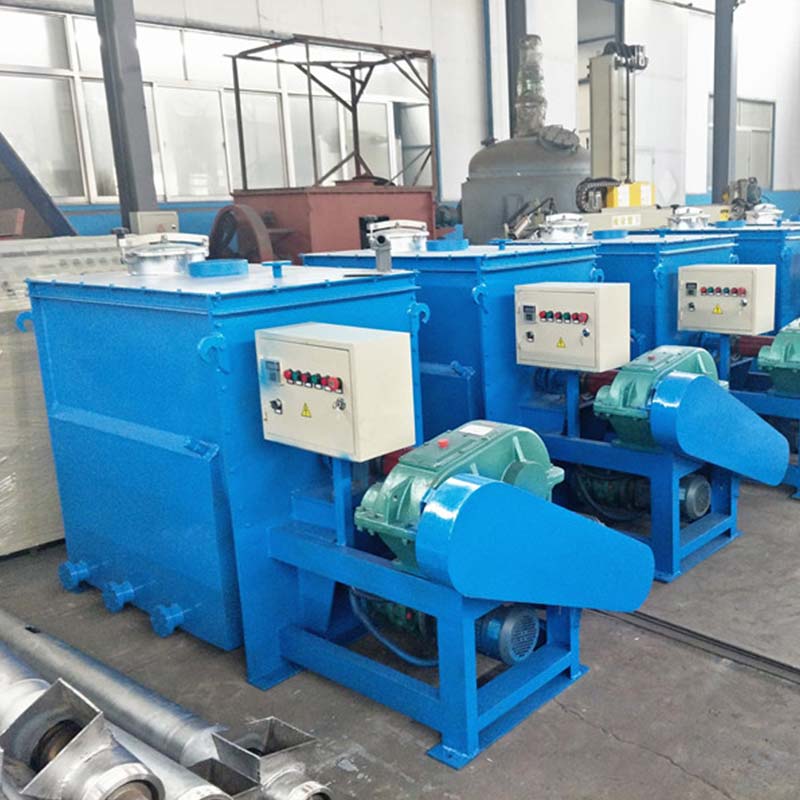
Horizontal mixer machines are a cornerstone of modern industrial production, widely used across food, chemical, feed, and construction industries. As a manufacturer, we design these machines to provide high-efficiency mixing, durability, and ease of operation.
These machines offer uniform mixing for powders, granules, and wet materials, making them indispensable for factories that require consistent product quality. In recent years, the demand for horizontal mixer machines has grown, driven by industries seeking reliable solutions that combine performance with cost-efficiency. Understanding how these machines work is essential for manufacturers and end-users alike.
Types of Mixer Machines
Mixer machines are designed in several configurations to meet diverse industrial requirements:
- Ribbon Horizontal Mixer: Features inner and outer helical ribbons to move material from both ends to the center, achieving uniform mixing. Ideal for powders and dry granular materials.
- Paddle Horizontal Mixer: Uses paddle agitators for gentle mixing of fragile or heat-sensitive materials.
- Combination Paddle & Ribbon Mixer: Incorporates the benefits of both paddles and ribbons for materials requiring thorough and gentle mixing.
Each type varies in capacity, mixing speed, and suitability for different materials. Choosing the right type directly affects productivity and product consistency.
Working Principle of a Horizontal Mixer Machine
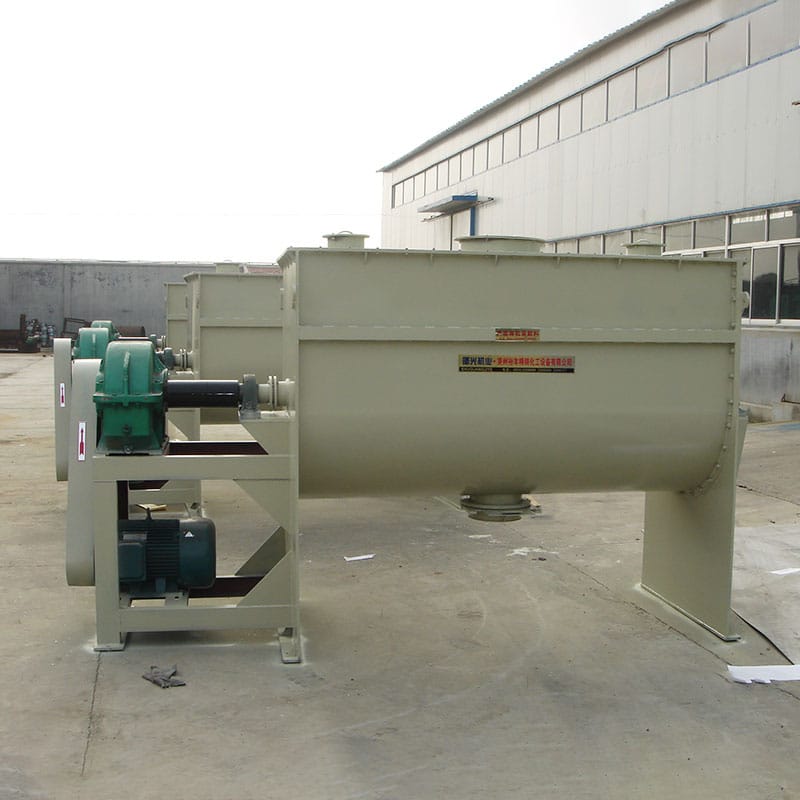
Horizontal mixer machines operate using a rotating agitator inside a horizontal trough. The agitator—whether a ribbon or paddle—moves materials laterally and vertically to achieve uniform blending. Key factors influencing the mixing efficiency include:
- Agitator speed
- Loading capacity
- Mixing time
- Material characteristics
These machines are designed for continuous or batch processing, with robust motors and high-quality gearboxes to ensure smooth operation even in heavy-duty industrial applications.
Key Advantages of Horizontal Mixer Machines
Horizontal mixer machines offer several advantages over other mixing equipment:
- High Uniformity: Ribbon and paddle designs ensure consistent blending, minimizing unmixed pockets.
- Energy Efficiency: Designed to operate with lower power consumption compared to vertical mixers.
- Ease of Cleaning and Maintenance: Wide openings and removable parts simplify sanitation.
- Versatility: Suitable for powders, granules, wet materials, and even sticky substances.
Compared to vertical mixers, horizontal machines can handle larger batch sizes and achieve faster mixing times, making them ideal for large-scale production.
How to Choose the Right Horizontal Mixer Machine for Your Factory
Selecting the appropriate mixer machine requires careful consideration of several factors:
- Production Volume: Determine the batch size and daily output requirements.
- Material Compatibility: Ensure the machine can handle the type of material being processed.
- Customization Needs: Some industries require tailored agitators or special coatings.
- Return on Investment: Consider efficiency, durability, and long-term maintenance costs.
By evaluating these factors, manufacturers can choose a machine that maximizes output and minimizes operational challenges.
Maintenance and Troubleshooting Tips
Proper maintenance ensures longevity and reliable performance:
- Inspect agitators, bearings, and seals regularly.
- Lubricate moving parts according to the manufacturer’s schedule.
- Check for unusual vibrations or noises that indicate wear.
- Clean thoroughly after each batch to prevent contamination.
Common issues, such as uneven mixing or motor overload, can usually be addressed by adjusting load, speed, or cleaning the mixer thoroughly.
Innovations and Latest Trends in Horizontal Mixer Machines
Modern horizontal mixer machines incorporate advanced features to meet industrial demands:
- Automated Control Systems: Programmable logic controllers (PLC) allow precise control of mixing time, speed, and batch monitoring.
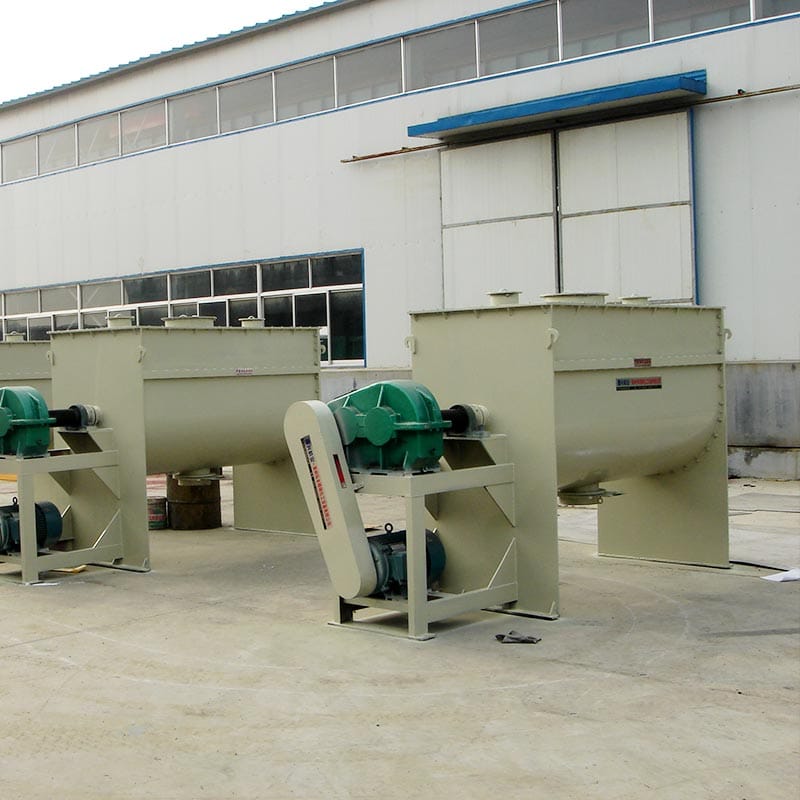
- High-Capacity Designs: Larger troughs for industrial-scale production without sacrificing mixing quality.
- Energy-Saving Motors: Reduce operational costs while maintaining efficiency.
- Enhanced Materials: Non-stick coatings and stainless steel construction extend lifespan and reduce contamination risk.
These innovations make horizontal mixers more versatile, efficient, and user-friendly.
Purchasing Guide: Finding a Reliable Horizontal Mixer Machine Supplier
Choosing a trustworthy supplier is as important as selecting the right machine. Key considerations include:
- Supplier experience and production capabilities
- Availability of spare parts and after-sales service
- Product certifications and adherence to quality standards
- Transparent pricing and warranty policies
Working with an established manufacturer ensures that the machine meets your production needs and continues performing optimally over time.
Applications of Horizontal Mixer Machines Across Industries
Horizontal mixer machines are used in various sectors:
| Industry | Typical Use | Benefits |
|---|---|---|
| Food | Mixing flour, spices, powders | High uniformity, prevents contamination |
| Chemical | Powder blending, granule mixing | Efficient, scalable |
| Feed | Animal feed formulations | Gentle mixing, prevents material damage |
| Construction | Cement, mortar mixing | Large capacity, consistent blend |
This versatility makes them a valuable investment for factories across different industries.
Tips to Maximize Efficiency and Output
- Load materials according to the recommended capacity to avoid overloading.
- Adjust mixing time based on material properties.
- Use automation where possible for consistent, repeatable results.
- Regular maintenance prevents downtime and ensures optimal mixing performance.
Conclusion
Horizontal mixer machines are an essential part of modern industrial production. For manufacturers, choosing the right machine, maintaining it properly, and leveraging new technological innovations ensures high-quality output and efficient operation. By understanding the working principles, types, advantages, and best practices, factories can maximize productivity, reduce costs, and achieve consistent results across industries.
As a manufacturer, we are committed to delivering high-performance horizontal mixer machines tailored to your production needs, helping you achieve the best results while maintaining long-term reliability.
FAQ
Q1: What is a horizontal mixer machine used for?
A: A horizontal mixer machine is used to blend powders, granules, and wet materials uniformly across industries like food, chemical, feed, and construction.
Q2: How does a horizontal mixer machine work?
A: It works by rotating an agitator inside a horizontal trough, moving materials laterally and vertically to achieve even mixing.
Q3: What types of horizontal mixer machines are available?
A: Common types include ribbon mixers, paddle mixers, and combination paddle & ribbon mixers, each suited for different materials and production needs.
Q4: How do I maintain a mixer machine?
A: Regular maintenance includes checking bearings, lubricating moving parts, cleaning after each batch, and inspecting for wear or unusual vibrations.
Q5: How do I choose the right mixer machine for my factory?
A: Consider your production volume, material type, required capacity, and whether a customized solution is needed for optimal efficiency and ROI.