Table of Contents
Introduction
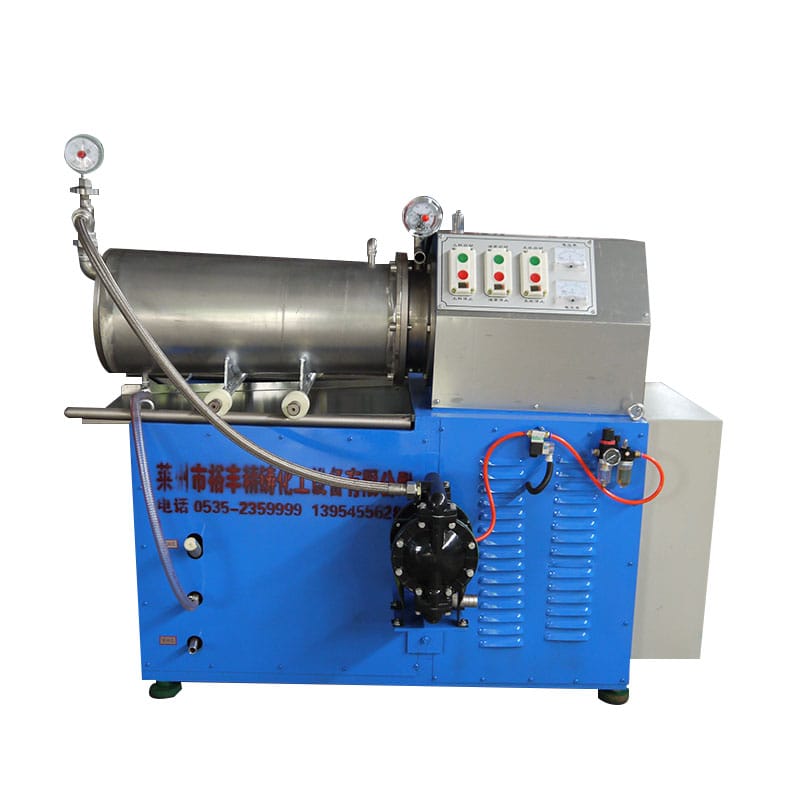
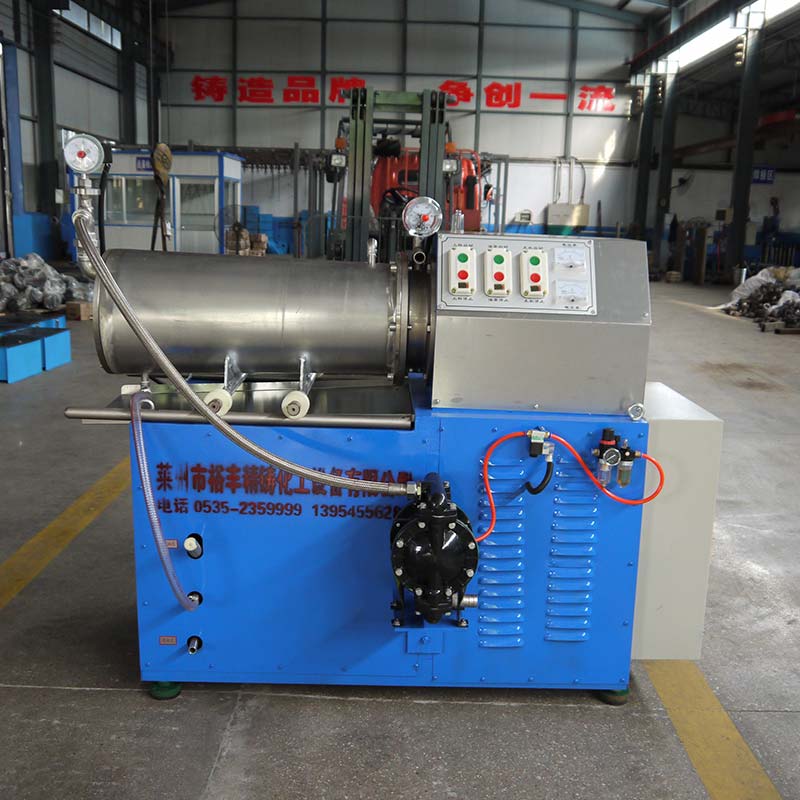
Horizontal sand mills are essential equipment in modern industrial production, widely used for grinding, dispersing, and homogenizing materials. As a manufacturer, we have firsthand knowledge of the technical advantages and operational nuances of these machines. Designed for industries such as paints, inks, pigments, cosmetics, and chemicals, horizontal sand mills ensure uniform particle size, high efficiency, and consistent product quality. Understanding their design and applications can help manufacturers and production teams optimize processes and achieve superior results.
Working Principle of a Horizontal Sand Mill
A horizontal sand mill works by rotating a shaft with an agitator inside a grinding chamber filled with grinding media, usually ceramic or steel beads. Material is fed into the chamber and circulated while being impacted by the fast-moving beads. This process reduces particle size, disperses pigments evenly, and produces a uniform slurry. The combination of shear, impact, and turbulence ensures fine and consistent grinding, suitable for high-precision applications such as nano-particle dispersion in paints and cosmetics.
The efficiency of the process depends on factors such as bead size, rotation speed, feed rate, and material viscosity. Proper control of these parameters is critical to achieving optimal results and avoiding overgrinding or equipment wear.
Key Components of a Horizontal Sand Mill
A high-quality sand mill consists of several key components:
- Grinding Chamber: Durable, wear-resistant material designed for high-speed bead movement.
- Agitator Shaft: Rotates to create turbulence and impact between beads and material.
- Grinding Media: Ceramic, glass, or steel beads chosen based on the material type and desired particle size.
- Pump System: Circulates material through the chamber for continuous processing.
- Cooling System: Maintains optimal temperature to prevent overheating and preserve material quality.
Selecting the right combination of components ensures high grinding efficiency and longevity of the equipment.
Advantages of Horizontal Sand Mills
Horizontal sand mills offer multiple advantages over vertical mills and other grinding equipment:
- High grinding efficiency and uniform dispersion.
- Suitable for high-viscosity materials and large batch production.
- Reduced energy consumption compared to traditional bead mills.
- Flexible operation for various industries, including paints, inks, cosmetics, and chemical products.
This versatility makes sand mills a preferred choice for manufacturers seeking reliable and cost-effective grinding solutions.
Applications Across Industries
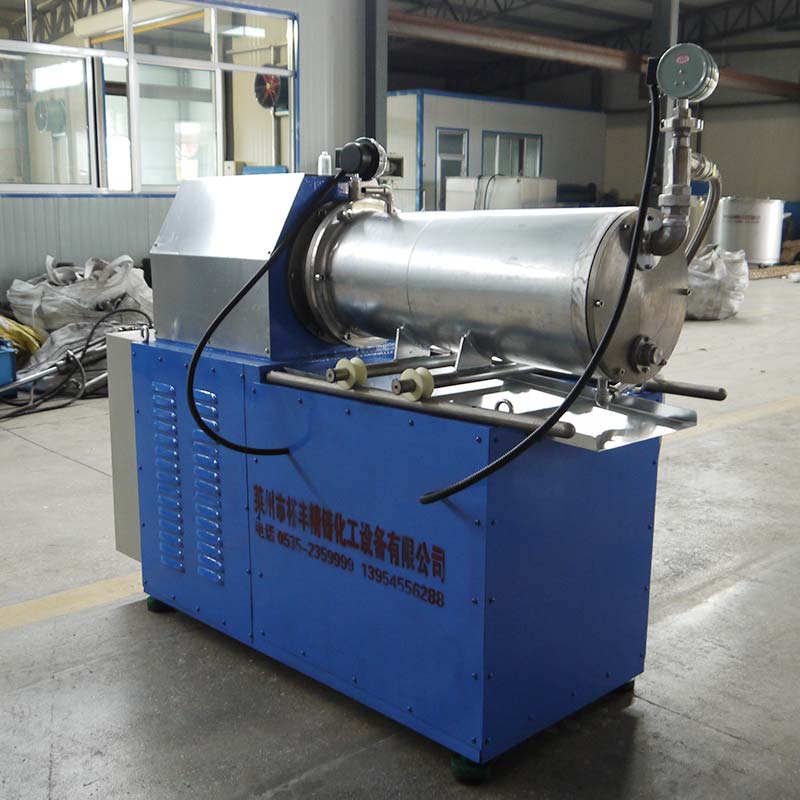
Horizontal sand mills are widely used across industries for their precision and efficiency:
- Paints and Coatings: Dispersing pigments evenly in oil-based or water-based coatings.
- Inks: Ensuring consistent color and particle size in printing inks.
- Cosmetics: Producing smooth creams, lotions, and pigment dispersions.
- Chemical and Food Products: Grinding powders, pigments, or other high-value materials.
| Industry | Typical Material | Grinding Beads Type | Key Benefit |
|---|---|---|---|
| Paints & Coatings | Pigments, emulsions | Ceramic | Uniform particle size, color consistency |
| Ink Production | Solvent-based & UV inks | Steel or glass | Smooth dispersion, high efficiency |
| Cosmetics | Creams, lotions, pigments | Ceramic | Fine texture, consistent quality |
| Chemicals | Powders, suspensions | Steel | High throughput, low contamination risk |
Maintenance and Troubleshooting
Proper maintenance is essential to ensure long-term performance of a horizontal sand mill.
- Regular cleaning of the grinding chamber and pump system.
- Inspecting for wear on beads, shaft, and seals.
- Lubricating bearings and checking alignment.
- Troubleshooting common issues such as temperature rise, uneven particle size, or reduced grinding efficiency.
Following these practices extends the equipment lifespan and ensures consistent product quality.
Tips for Selecting the Right Sand Mill
When selecting a sand mill, manufacturers should consider:
- Capacity: Small-scale lab units vs industrial production models.
- Efficiency: Energy consumption per kg of material processed.
- Material Compatibility: Viscosity, abrasiveness, and chemical properties of the material.
- Bead Size and Type: Impact on grinding efficiency and particle size distribution.
- After-Sales Support: Manufacturer service, parts availability, and technical guidance.
Choosing the right mill ensures both cost-effectiveness and product consistency.
Energy Efficiency and Cost Considerations
Energy efficiency is a crucial factor for modern production lines. High-performance horizontal sand mills reduce energy consumption by optimizing bead size, rotation speed, and material flow. Lower energy costs, combined with improved grinding efficiency, directly contribute to reduced production expenses and higher throughput.
Innovation and Latest Trends
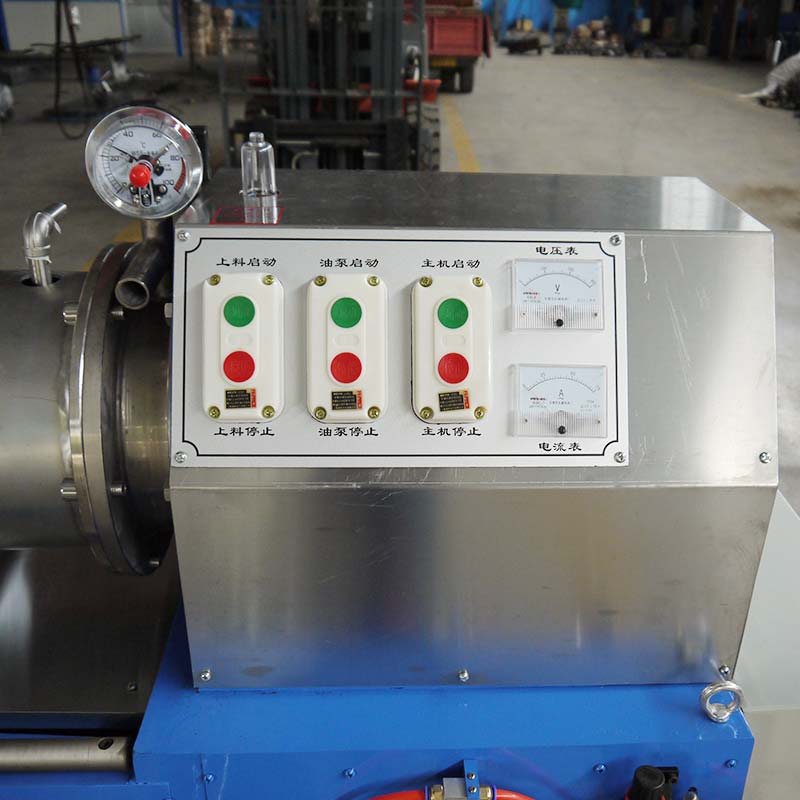
The horizontal sand mill industry continues to evolve:
- Automation and Control Systems: Real-time monitoring for temperature, viscosity, and particle size.
- Advanced Grinding Media: Longer-lasting ceramic beads for better efficiency.
- Smart Manufacturing: Integration with digital production systems for predictive maintenance and quality control.
As manufacturers, we continuously incorporate these innovations into our models, providing customers with cutting-edge grinding solutions.
Conclusion
Horizontal sand mills are indispensable for modern manufacturing across paints, inks, cosmetics, and chemical industries. As a manufacturer, we ensure our machines deliver high efficiency, consistent product quality, and long service life. By understanding the principles, applications, and maintenance requirements of horizontal sand mills, manufacturers can optimize their production lines, reduce costs, and achieve superior results. Whether for large-scale industrial use or small-scale laboratory testing, the right horizontal sand mill is a key investment in reliable and precise grinding operations.
FAQ
Q1: What is a horizontal sand mill used for?
A: A horizontal sand mill is used for grinding, dispersing, and homogenizing materials such as pigments, inks, paints, and cosmetic products. It ensures uniform particle size and high-quality results.
Q2: How does a horizontal sand mill work?
A: It works by rotating an agitator inside a grinding chamber filled with beads. The material is impacted and sheared by the beads, producing fine and evenly dispersed particles.
Q3: What industries commonly use horizontal sand mills?
A: Horizontal sand mills are widely used in paint production, ink manufacturing, cosmetics, chemical processing, and even food industry applications requiring fine particle dispersion.
Q4: How do I maintain a horizontal sand mill?
A: Regular cleaning, inspecting for wear on beads and seals, and proper lubrication are essential. Following maintenance guidelines ensures optimal performance and extends machine lifespan.
Q5: What should I consider when choosing a horizontal sand mill?
A: Consider material viscosity, production capacity, energy efficiency, grinding bead type, and manufacturer support. Selecting the right model ensures efficiency and consistent product quality.