Table of Contents
Introduction
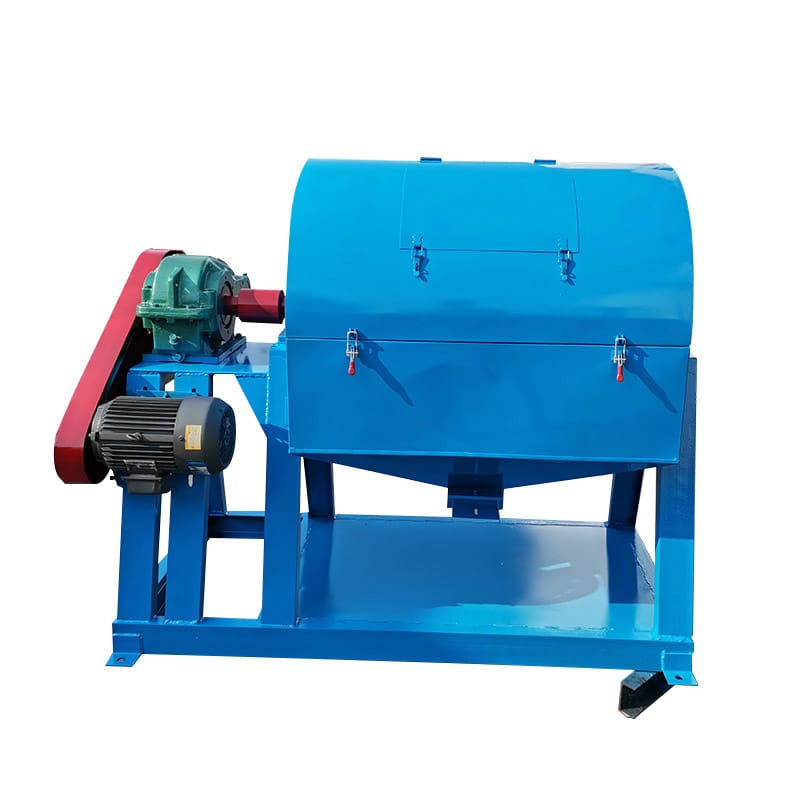
A horizontal ball mill is a cylindrical grinding device that rotates around a horizontal axis, partially filled with grinding media (typically steel, ceramic, or rubber balls) and the material to be ground. As the mill rotates, the grinding media cascades and impacts the material, reducing particle size through a combination of impact, attrition, and compression forces.
These mills serve as critical equipment across multiple industries. In mining and mineral processing, they reduce ore to fine particles for subsequent extraction processes. The chemical industry relies on them for mixing and pulverizing raw materials, while construction material manufacturers use them extensively in cement and ceramic production. The pharmaceutical, metal powder, and advanced materials sectors also depend on horizontal ball mills for precise particle size control.
Selecting the appropriate horizontal ball mill model significantly impacts production efficiency and operational costs. An undersized mill creates bottlenecks, while an oversized unit wastes capital and energy. Proper specification ensures optimal grinding performance, minimal downtime, and maximum return on investment.
How Horizontal Ball Mills Work
Working Principle
The horizontal ball mill operates on a straightforward yet effective principle. As the cylindrical shell rotates around its horizontal axis, grinding media are lifted to a specific height before cascading down. This falling motion creates impact forces that crush larger particles, while the rolling and sliding motion between grinding media generates friction and attrition that further refine particle size.
The critical speed of the mill determines the optimal rotation rate. At approximately 65-80% of critical speed, grinding media cascade rather than centrifuge, maximizing the grinding action through repeated impact and attrition cycles.
Key Components
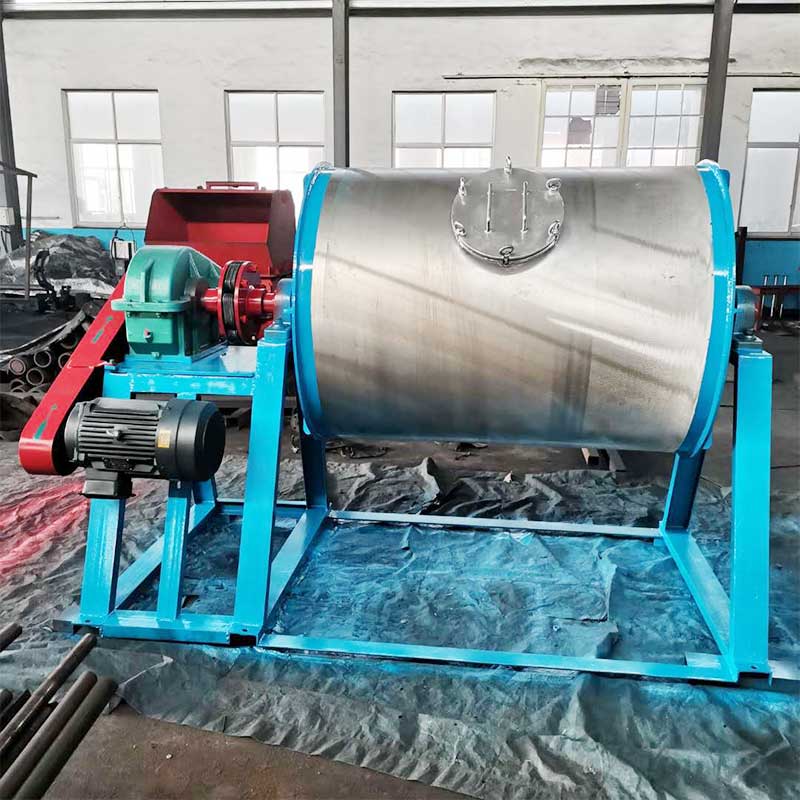
A horizontal ball mill consists of several essential components:
- Rotating Cylinder/Shell: The main grinding chamber, typically lined with wear-resistant materials like manganese steel, rubber, or ceramic to protect against abrasion
- Grinding Media: Steel balls, ceramic balls, or other specialized media that physically impact and grind the material
- Drive System: Motor, gearbox, and transmission components that rotate the mill at optimal speed
- Feed and Discharge Mechanisms: Systems for introducing raw material and removing finished product, with designs varying by application (overflow, grate, or peripheral discharge)
- Lubrication System: Ensures smooth operation of bearings and transmission components
- Support Structure: Heavy-duty frames and foundations that withstand the mill’s operational forces
Operation Process
The grinding operation follows a systematic process. Material enters the mill through a feed chute or screw feeder, typically sized at 25mm or smaller depending on mill capacity. Inside the mill, material encounters grinding media that have been lifted and are now cascading down. The impact and friction between media, between media and material, and between material and mill lining progressively reduce particle size.
Grinding time varies based on desired fineness—coarse applications may require minutes, while ultrafine grinding can take hours. The ground material exits through a discharge mechanism. Overflow discharge allows finer particles to flow over a weir, while grate discharge uses screens to control particle size. Peripheral discharge removes material through openings in the mill shell.
Factors to Consider When Choosing a Horizontal Ball Mill
Material Type and Hardness
Different materials require different mill configurations. Hard, abrasive materials like quartz and iron ore demand mills with high-wear-resistant liners (manganese steel or ceramic) and robust drive systems. Softer materials like limestone or coal allow for less aggressive configurations. Corrosive materials may require stainless steel or specialized alloy components to prevent contamination and equipment degradation.
Production Capacity and Throughput Requirements
Determine your required processing rate in tons per hour or kilograms per batch. Industrial horizontal ball mills typically range from 1-5 tons per hour for smaller units to over 100 tons per hour for large-scale operations. Match mill capacity to your production line requirements while allowing some buffer for future expansion.
| Capacity Range | Typical Applications | Mill Size Example | Motor Power |
|---|---|---|---|
| 1-5 tons/hour | Small-scale mining, pilot plants | Ф1500×3000mm | 37-75 kW |
| 5-30 tons/hour | Medium production lines | Ф2100×4500mm | 155-280 kW |
| 30+ tons/hour | Large-scale cement, mineral processing | Ф2700×4500mm+ | 400+ kW |
Cylinder Size and Grinding Media Selection
Cylinder diameter determines grinding capacity and media loading capability. Larger diameters accommodate more grinding media and material, increasing throughput. Length affects residence time—longer mills provide extended grinding for finer products.
Grinding media selection depends on material hardness and product purity requirements. Steel balls offer durability and cost-effectiveness for most industrial applications. Ceramic balls provide contamination-free grinding for high-purity materials like pharmaceuticals or advanced ceramics. Media size typically ranges from 20mm to 120mm, with smaller media used for fine grinding and larger media for coarse applications.
Motor Power and Energy Consumption
Motor power must match the mill size and material characteristics. Undersized motors cause overloading and reduced efficiency, while oversized motors waste capital and operating energy. Modern horizontal ball mills with variable frequency drives (VFDs) optimize energy consumption by adjusting speed based on load conditions, potentially reducing energy costs by 10-20%.
Maintenance Convenience and Service Life
Consider ease of access for routine maintenance tasks like liner replacement, bearing inspection, and media addition. Features like manholes, bolted liners, and accessible bearing housings simplify maintenance and reduce downtime. High-quality construction, proper material selection, and robust design extend service life and reduce total cost of ownership.
Horizontal Ball Mill vs Vertical Ball Mill
Structural Differences
Horizontal ball mills feature a rotating cylinder positioned horizontally, with media cascading from one end to the other. This design provides consistent grinding action and excellent material throughput. Vertical ball mills, conversely, position the grinding chamber vertically, often using a central shaft with grinding arms or discs. The vertical configuration offers a smaller footprint but typically has lower capacity.
Performance and Efficiency Comparison
Horizontal mills generally provide superior grinding efficiency for most industrial applications due to better media distribution and more effective cascading action. They handle larger volumes and achieve uniform particle size distribution. Vertical mills excel in specific applications requiring fine grinding of smaller batches or when floor space is limited.
Horizontal mills typically operate at 65-80% of critical speed for optimal cascading action. Vertical mills may achieve higher rotational speeds but with different media motion patterns. Energy consumption varies based on application—horizontal mills often prove more efficient for large-scale continuous operations, while vertical mills may offer advantages for specialized fine grinding tasks.
Selection Recommendations
Choose horizontal ball mills for:
- Large-scale production requiring high throughput
- Coarse to medium grinding applications
- Mining, cement, and mineral processing industries
- Applications demanding consistent product quality
Consider vertical ball mills for:
- Laboratory or pilot-scale operations
- Fine and ultrafine grinding applications
- Situations with limited floor space
- Specialized applications like pigment or ceramic processing
Applications of Horizontal Ball Mills
Mining and Mineral Processing
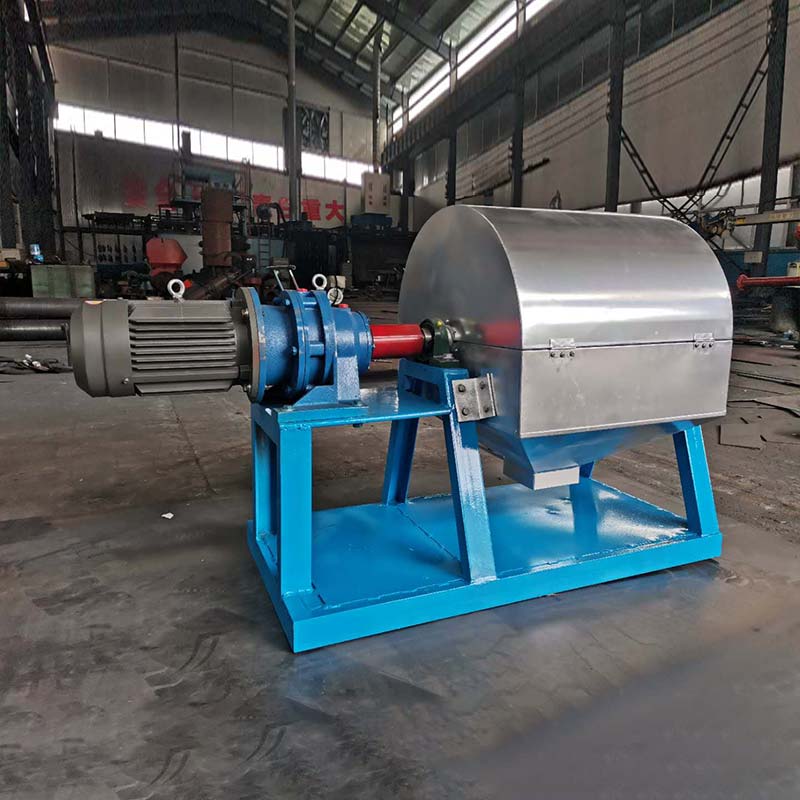
Horizontal ball mills play a crucial role in ore preparation, reducing crushed ore to fine particles suitable for subsequent processing steps like flotation, leaching, or magnetic separation. They handle diverse materials including gold, copper, iron, lead-zinc ores, and rare earth minerals. The mills’ ability to process both wet and dry materials makes them versatile across different mineral processing circuits.
Chemical Industry
Chemical manufacturers use horizontal ball mills for pulverizing raw materials, mixing ingredients, and achieving uniform particle size distribution in products like pigments, dyes, catalysts, and specialty chemicals. The controlled environment of enclosed horizontal mills prevents contamination and ensures product consistency.
Construction Materials
The cement and ceramics industries rely heavily on horizontal ball mills. In cement production, they grind clinker, gypsum, and other additives to produce the fine powder used in concrete. Ceramic manufacturers use them for preparing ceramic bodies, glazes, and engobes. The mills’ ability to handle abrasive materials like silica and alumina makes them ideal for these demanding applications.
Other Industries
- Pharmaceutical: Micronizing active ingredients for improved bioavailability
- Metal Powder Production: Producing fine metal powders for additive manufacturing, powder metallurgy, and surface coating
- Advanced Materials: Grinding nanomaterials, battery materials, and electronic ceramics
- Food Processing: Size reduction of spices, grains, and other food ingredients
Tips for Maintaining Your Horizontal Ball Mill
Regular Inspection of Cylinder and Liner Wear
Monitor liner thickness and condition quarterly or more frequently for intensive operations. Replace liners when wear exceeds 30% of original thickness or when cracks, breaks, or excessive wear patterns appear. Loose liner bolts can cause shell damage—inspect and retorque regularly.
Grinding Media Selection and Replacement
Optimize media size distribution based on material characteristics and desired product fineness. A typical mix includes 3-4 different media sizes (e.g., 100mm, 90mm, and 80mm for larger mills) to maximize grinding efficiency. Replenish media regularly to maintain proper fill ratio (typically 40-50% of mill volume) and remove broken or excessively worn media.
Motor, Gearbox, and Transmission Maintenance
Monitor bearing temperatures and vibration levels regularly—unusual increases often indicate lubrication problems or component wear. Check oil levels and quality weekly in gearboxes. Inspect belt tension and coupling alignment monthly. Address abnormal noises promptly, as they often signal developing problems.
Strategies to Extend Equipment Life
Implement a preventive maintenance schedule with daily operator checks, weekly lubrication and inspection tasks, and comprehensive semi-annual shutdowns. Train operators on proper startup and shutdown procedures. Keep detailed maintenance records to track component life and predict replacement needs. Consider upgrading to modern, energy-efficient components when replacing worn parts.
How to Improve Efficiency in Horizontal Ball Mill Operations
Optimize Grinding Time and Loading
Avoid overloading, which reduces grinding efficiency and increases energy consumption. Determine optimal loading through trial runs and maintain consistent feed rates. Adjust grinding time based on product requirements—longer grinding produces finer material but increases energy costs and may cause overgrinding.
Configure Grinding Ball Size and Ratio
Match media size to feed material size and desired product fineness. Use larger media for coarse grinding and progressively smaller media as particle size decreases. Maintain proper media-to-material ratio (typically 10:1 by weight) and optimal fill level (40-50% of mill volume). Regularly audit media gradation to maintain optimal mix.
Implement Automatic Control and Monitoring Systems
Modern control systems monitor mill parameters in real-time and adjust operating conditions automatically. Sensors can track power consumption, bearing temperature, vibration, and sound levels to detect developing problems early. Automated feed control maintains optimal loading, while variable frequency drives optimize energy use by adjusting speed to match load conditions.
Energy Reduction and Efficiency Enhancement
Consider upgrading to high-efficiency motors and variable frequency drives. Optimize liner design to improve media lifting and cascading action. Implement closed-circuit grinding with classifiers to return oversize material for regrinding rather than overgrinding the entire batch. Regular maintenance ensures components operate at peak efficiency.
Common Problems and Troubleshooting
Causes of Decreased Grinding Efficiency
Reduced efficiency often results from worn liners, improper media gradation, incorrect fill level, or media that is too small for the feed size. Address by inspecting and replacing worn components, adjusting media size distribution, and recalibrating feed systems. Product changes may require operational adjustments.
Abnormal Noise and Vibration Issues
Unusual noises typically indicate problems like loose liners, worn gears, bearing failure, or improper media loading. Vibration analysis can pinpoint the source. Address immediately to prevent catastrophic failure. Common solutions include tightening bolts, replacing worn components, and rebalancing the mill.
Material Blockage and Discharge Problems
Discharge blockages may result from oversized feed, improper grate design, or excessive moisture in wet grinding. Solutions include installing pre-crushing equipment, adjusting discharge grate size, or optimizing moisture content. Regular inspection and cleaning of discharge systems prevent chronic blockages.
Key Considerations for Extending Service Life
Proper installation provides the foundation for long service life—ensure level mounting, proper foundation, and correct alignment. Avoid operating beyond design specifications. Implement comprehensive monitoring programs to detect issues early. Use quality replacement parts and follow manufacturer recommendations for maintenance intervals.
How to Select a Reliable Horizontal Ball Mill Manufacturer
Advantages of Direct Manufacturers vs Distributors
Working directly with manufacturers offers several advantages: access to engineering expertise, custom design capabilities, faster technical support, and often better pricing by eliminating distributor markups. Manufacturers understand their equipment intimately and can provide comprehensive support throughout the equipment lifecycle.
Assessing Production Capacity, R&D Capability, and Service
Evaluate potential manufacturers based on their production facilities, engineering capabilities, and quality systems. Look for companies with strong R&D departments that continuously improve designs. Check references from similar applications. Verify availability of spare parts and technical support. Manufacturers with global service networks provide better long-term support.
Customizing Models and Processes
Every application has unique requirements. Select manufacturers who offer customization options in mill size, liner materials, discharge configurations, and control systems. Custom solutions optimize performance for specific materials, production rates, and product specifications. Manufacturers with application experience can provide valuable recommendations.
Quality Standards and Certification References
Look for manufacturers with ISO 9001 quality management certification and relevant industry certifications. Compliance with international standards like CE, ASME, or local regulations ensures equipment meets safety and performance requirements. Request documentation of quality control procedures and material certifications.
Conclusion
Selecting the right horizontal ball mill requires careful consideration of material characteristics, production requirements, operational constraints, and long-term maintenance needs. The optimal choice balances initial investment with operating costs, efficiency, and reliability.
Invest in quality equipment from reputable manufacturers who understand your specific application requirements. A well-specified horizontal ball mill delivers consistent product quality, maximizes production efficiency, and minimizes total cost of ownership over its service life.
Contact experienced manufacturers to discuss your specific needs. Their engineering expertise can help you select or design a horizontal ball mill optimized for your application, ensuring maximum productivity and return on investment.
FAQ
Q: What is the ideal speed for a horizontal ball mill?
A: The optimal speed is typically 65-80% of the critical speed, which is calculated as 42.3 divided by the square root of the cylinder diameter in meters. Operating within this range ensures grinding media cascade properly, maximizing grinding efficiency through repeated impact and attrition.
Q: How do I determine the correct grinding media size for my horizontal ball mill?
A: Media size depends on feed material size and desired product fineness. Use larger media (80-120mm) for coarse grinding and smaller media (20-60mm) for fine grinding. A typical industrial mill uses 3-4 different media sizes to maximize efficiency, with proper media-to-material ratio around 10:1 by weight.
Q: What are the main advantages of horizontal ball mills compared to vertical ball mills?
A: Horizontal ball mills offer higher throughput, better grinding efficiency for most industrial applications, more uniform particle size distribution, and superior handling of large-scale continuous operations. They’re particularly suitable for mining, cement production, and mineral processing where capacity and consistency are critical.
Q: How often should I replace liners and grinding media in my horizontal ball mill?
A: Inspect liners quarterly for intensive operations or semi-annually for moderate use. Replace when wear exceeds 30% of original thickness. Grinding media requires regular replenishment to maintain optimal fill ratio (40-50% of mill volume), with complete media audits annually to adjust size distribution.
Q: What factors should I consider when choosing a horizontal ball mill manufacturer?
A: Evaluate manufacturers based on production capacity, R&D capabilities, quality certifications (ISO 9001, CE), application experience in your industry, customization options, spare parts availability, and technical support. Working directly with manufacturers often provides better pricing, engineering expertise, and faster support than using distributors.