Daftar Isi
Pendahuluan
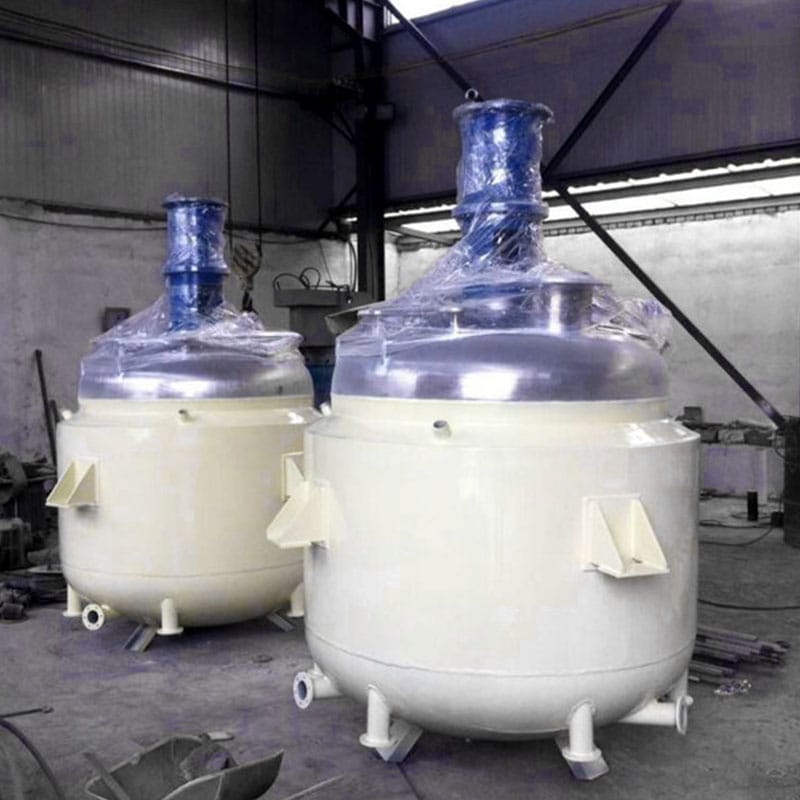
Reaktor pemanas listrik adalah perangkat industri canggih yang dirancang untuk memberikan pemanasan yang tepat dan efisien untuk berbagai aplikasi kimia, farmasi, dan pengolahan makanan. Sebagai produsen yang mengkhususkan diri dalam reaktor pemanas listrik berkualitas tinggi, kami memahami pentingnya kontrol suhu yang andal dan efisiensi energi dalam operasi industri modern. Reaktor ini banyak digunakan dalam industri di mana pemanasan terkontrol sangat penting untuk kualitas produk dan stabilitas proses. Dengan menawarkan desain profesional dan bahan tahan lama, reaktor pemanas listrik kami memastikan kinerja optimal dan masa pakai yang lama.
Komponen Kunci dari Reaktor Pemanas Listrik
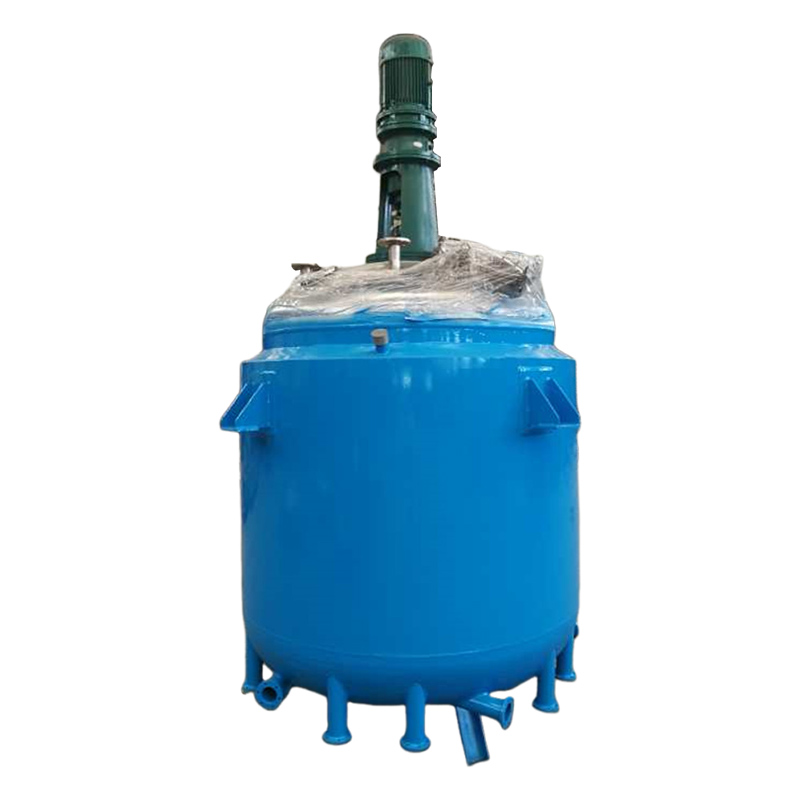
Reaktor pemanas listrik berkinerja tinggi terdiri dari beberapa komponen utama yang bekerja sama untuk menghasilkan pemanasan yang tepat:
- Elemen Pemanas: Kumparan atau pelat listrik efisiensi tinggi memberikan distribusi panas yang seragam.
- Sensor dan Pengontrol Suhu: Sensor digital memungkinkan pemantauan dan kontrol suhu yang akurat.
- Bahan Isolasi: Lapisan isolasi canggih mengurangi kehilangan panas dan meningkatkan efisiensi energi.
- Sistem Keselamatan: Perlindungan suhu berlebih, pembatas arus, dan mekanisme pematian darurat meningkatkan keselamatan selama pengoperasian.
Dengan menggabungkan komponen-komponen ini, reaktor pemanas listrik mencapai pemanasan yang konsisten dan terkendali, sehingga ideal untuk proses industri yang sensitif.
Bagaimana Reaktor Pemanas Listrik Bekerja
Pengoperasian reaktor pemanas listrik bergantung pada konversi energi listrik menjadi panas melalui elemen pemanas resistif. Panas yang dihasilkan ditransfer ke ruang reaktor, tempat proses industri berlangsung. Sensor suhu secara konstan memantau tingkat panas dan berkomunikasi dengan sistem kontrol untuk mempertahankan kondisi optimal.
Dibandingkan dengan reaktor pemanas uap tradisional, reaktor pemanas listrik memberikan pemanasan yang lebih cepat, kontrol suhu yang lebih tepat, dan konsumsi energi yang berkurang. Faktor-faktor yang mempengaruhi efisiensi termasuk ukuran reaktor, kualitas isolasi, dan desain elemen pemanas.
Manfaat Menggunakan Reaktor Pemanas Listrik
Reaktor pemanas listrik menawarkan beberapa keuntungan yang membuatnya sangat diperlukan dalam aplikasi industri:
- Peningkatan Efisiensi Produksi: Pemanasan yang cepat dan konsisten mengurangi waktu proses.
- Kontrol Suhu yang Tepat: Penting untuk reaksi kimia berkualitas tinggi dan konsistensi produk.
- Efisiensi Energi: Insulasi canggih dan elemen pemanas listrik mengkonsumsi lebih sedikit energi daripada sistem uap.
- Pengurangan Pemeliharaan: Lebih sedikit bagian yang bergerak berarti biaya perawatan yang lebih rendah dan masa pakai yang lebih lama.
Manfaat ini menjadikan reaktor pemanas listrik pilihan yang menarik bagi produsen yang mencari efisiensi dan keandalan.
Aplikasi dari Reaktor Pemanas Listrik di Industri
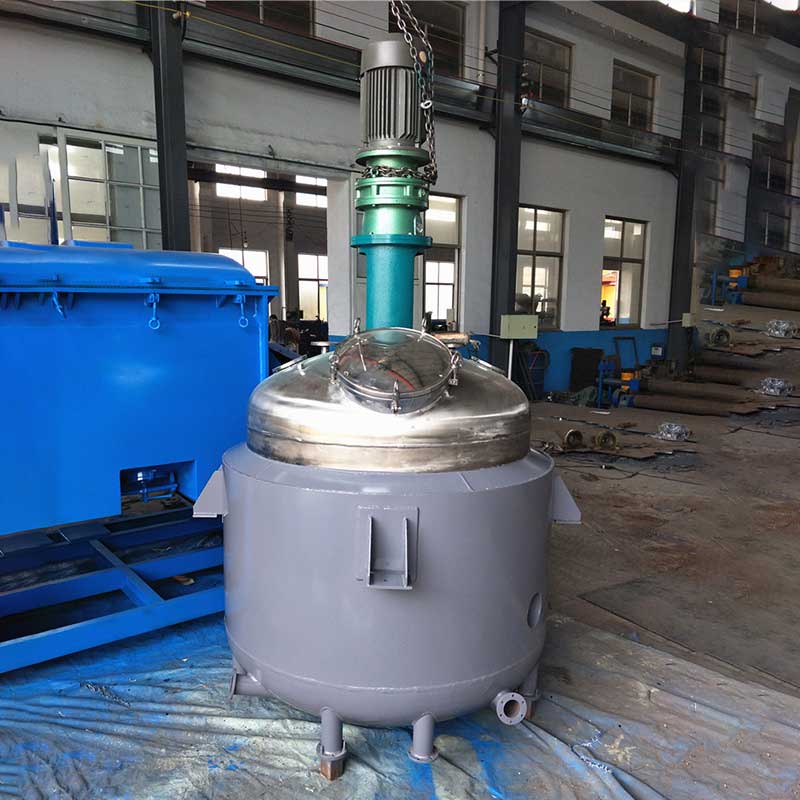
Reaktor pemanas listrik serbaguna dan dapat digunakan dalam berbagai pengaturan industri:
- Sintesis Kimia: Pemanasan terkendali memastikan reaksi kimia yang tepat.
- Produksi Farmasi: Mempertahankan suhu yang konsisten untuk senyawa sensitif.
- Pengolahan Makanan: Ideal untuk proses pasteurisasi dan pencampuran bahan.
- Laboratorium Industri: Memberikan kondisi stabil untuk reaksi eksperimental.
Kemampuan beradaptasi dan fitur hemat energinya menjadikan reaktor pemanas listrik sebagai solusi pilihan di berbagai sektor.
Kiat Perawatan dan Pemecahan Masalah
Untuk memaksimalkan umur dan kinerja reaktor pemanas listrik, perawatan yang tepat sangat penting:
- Periksa elemen pemanas dan sistem kontrol secara teratur.
- Bersihkan ruang reaktor dan terapkan tindakan anti korosi jika diperlukan.
- Pantau akurasi suhu dan sesuaikan pengaturan kontrol jika terjadi perbedaan.
- Atasi masalah umum seperti pemanasan yang tidak merata atau kerusakan sensor dengan segera.
Mengikuti tips ini memastikan reaktor Anda beroperasi dengan aman dan efisien, meminimalkan waktu henti.
Memilih Reaktor Pemanas Listrik yang Tepat
Memilih reaktor pemanas listrik yang tepat tergantung pada beberapa faktor:
- Kebutuhan Kapasitas dan Daya: Pastikan reaktor memenuhi kebutuhan volume produksi Anda.
- Bahan dan Konstruksi: Baja tahan karat dan paduan tahan korosi meningkatkan daya tahan.
- Sertifikasi Keselamatan: Kepatuhan terhadap standar keselamatan industri sangat penting.
- Opsi Khusus: Pertimbangkan reaktor dengan insulasi yang dapat disesuaikan, elemen pemanas khusus, atau otomatisasi terintegrasi.
Dengan mengevaluasi faktor-faktor ini secara cermat, produsen dapat memilih reaktor yang memenuhi kebutuhan operasional dan anggaran.
Inovasi dan Tren Reaktor Pemanas Listrik
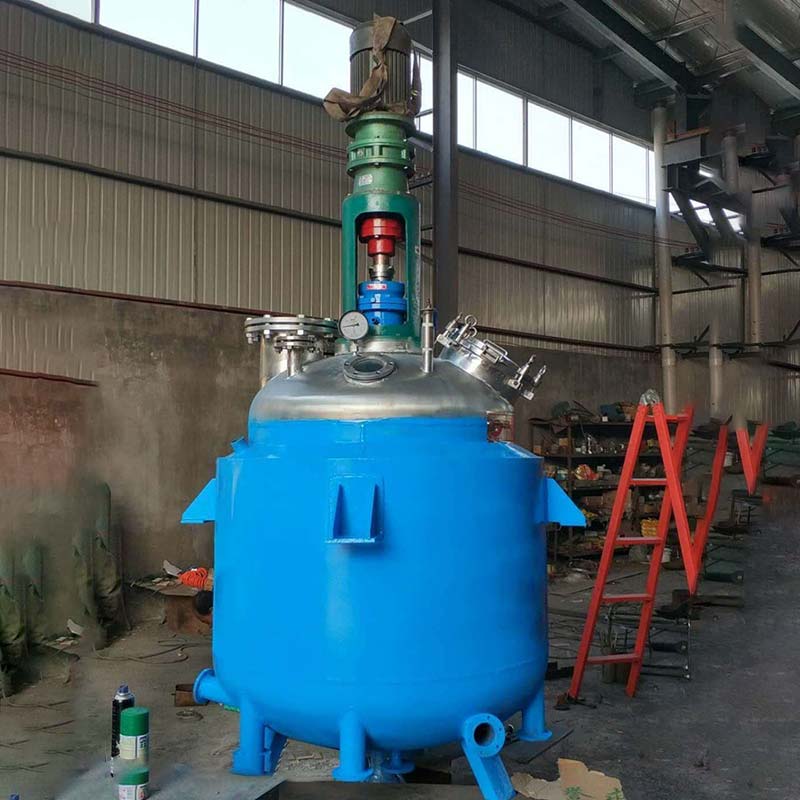
Modern reaktor pemanas listrik sedang berkembang untuk menggabungkan teknologi cerdas dan bahan berkelanjutan:
- Kontrol Suhu Cerdas: Sistem otomatis memungkinkan pemantauan real-time dan penyesuaian yang tepat.
- Isolasi Kinerja Tinggi: Mengurangi kehilangan panas dan meningkatkan efisiensi energi.
- Integrasi Otomasi Industri: Reaktor dapat terhubung dengan sistem kontrol pabrik untuk produksi yang dioptimalkan.
- Keberlanjutan: Desain ramah lingkungan mengurangi jejak karbon dan konsumsi energi.
Inovasi-inovasi ini memastikan bahwa reaktor pemanas listrik tetap menjadi komponen penting dalam proses industri modern.
Kesimpulan
Electric heating reactors sangat diperlukan untuk industri yang membutuhkan pemanasan yang tepat, efisien, dan andal. Sebagai produsen, reaktor kami menggabungkan teknologi mutakhir, efisiensi energi, dan desain yang kuat untuk meningkatkan efisiensi industri. Dengan memahami komponen, aplikasi, dan persyaratan perawatan mereka, operator industri dapat memaksimalkan kinerja dan meminimalkan biaya operasional. Berinvestasi dalam reaktor pemanas listrik berkualitas tinggi tidak hanya meningkatkan proses produksi tetapi juga mendukung praktik manufaktur yang berkelanjutan dan sadar energi.
PERTANYAAN YANG SERING DIAJUKAN
Q1: Apa itu reaktor pemanas listrik dan bagaimana cara kerjanya?
A: Reaktor pemanas listrik adalah perangkat industri yang menggunakan energi listrik untuk memanaskan ruang reaktor untuk aplikasi kimia, farmasi, atau pengolahan makanan. Elemen pemanas mengubah listrik menjadi panas, sementara sensor dan sistem kontrol mempertahankan suhu yang tepat untuk proses yang stabil dan efisien.
Q2: Apa keuntungan utama menggunakan reaktor pemanas listrik?
A: Reaktor pemanas listrik menawarkan kontrol suhu yang tepat, efisiensi energi, pemanasan cepat, perawatan berkurang, dan umur pemakaian lebih lama dibandingkan dengan reaktor pemanas uap atau gas tradisional. Mereka juga meningkatkan konsistensi produk dan efisiensi produksi dalam operasi industri.
Q3: Bagaimana cara merawat reaktor pemanas listrik?
A: Pemeliharaan rutin termasuk memeriksa elemen pemanas dan sensor suhu, membersihkan ruang reaktor, memeriksa sistem kontrol, dan memastikan isolasi utuh. Pemeliharaan yang tepat mencegah malfungsi dan memperpanjang umur reaktor.
Q4: Industri apa yang biasa menggunakan reaktor pemanas listrik?
A: Reaktor pemanas listrik banyak digunakan dalam sintesis kimia, manufaktur farmasi, pengolahan makanan, dan laboratorium industri. Mereka ideal untuk aplikasi yang membutuhkan kontrol suhu yang tepat dan stabil.
Q5: Bagaimana saya bisa memilih reaktor pemanas listrik yang tepat untuk pabrik saya?
A: Saat memilih reaktor, pertimbangkan kapasitas produksi, kebutuhan daya, material dan konstruksi, sertifikasi keselamatan, dan opsi penyesuaian. Produsen seperti kami dapat memberikan solusi yang disesuaikan untuk memenuhi kebutuhan industri tertentu.