Sistem penggilingan industri bukan hanya pembelian peralatan —mereka secara langsung mempengaruhi stabilitas produksi, konsistensi material, dan efisiensi operasional jangka panjang. Di sektor-sektor seperti pertambangan, semen, metalurgi, dan pengolahan kimia, ball mill tetap menjadi salah satu solusi penggilingan yang paling mapan dan banyak diterapkan.
Pada saat yang sama, mencari sumber yang tepat pemasok mesin ball mill telah menjadi semakin kompleks. Pembeli tidak lagi hanya membandingkan mesin-mesin —mereka mengevaluasi kemampuan teknik, konsistensi manufaktur, dan keandalan teknis jangka panjang.
Artikel ini memecah proses seleksi dari perspektif manufaktur praktis, dengan fokus pada apa yang sebenarnya penting dalam lingkungan industri nyata.
Daftar Isi
Memahami Peran Ball Mill di Lingkungan Produksi Nyata
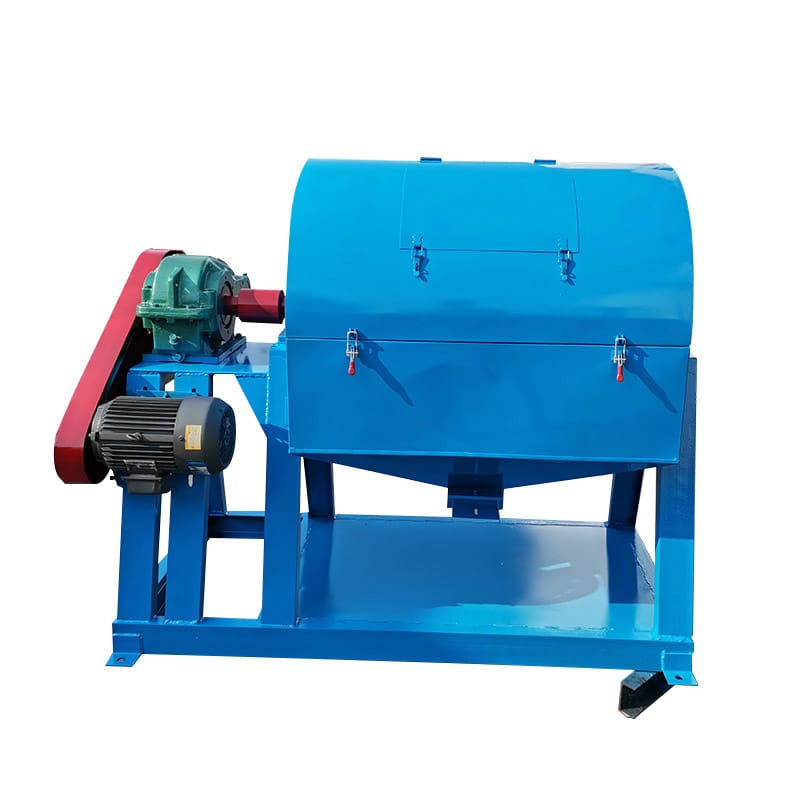
A ball mill dirancang untuk pengurangan ukuran yang terkontrol melalui benturan berulang dan penggilingan antara media dan material di dalam ruang berputar. Meskipun prinsipnya sederhana, nilai industrinya berasal dari stabilitas dan pengulangan daripada kompleksitas.
Dalam aplikasi nyata, ini biasanya digunakan dalam:
- Jalur pengolahan bijih dan mineral
- Produksi semen dan bahan bangunan
- Pengolahan bubuk kimia halus
- Tahapan persiapan metalurgi
Apa yang membuat peralatan ini penting bukan hanya kemampuan penggilingannya, tetapi kemampuannya untuk mempertahankan output yang konsisten dalam kondisi beban yang terus menerus.
Mengapa Prinsip Kerja Saja Tidak Cukup untuk Mengevaluasi Peralatan
Banyak pembeli fokus pada operasi teoritis, tetapi dalam praktik industri, kinerja tergantung pada bagaimana sistem berperilaku dalam kondisi produksi yang berkelanjutan.
Di dalam silinder berputar, media penggilingan mengikuti gerakan berjenjang yang menciptakan gaya benturan dan gesekan. Tergantung pada konfigurasinya, sistem dapat beroperasi dalam kondisi basah atau kering, masing-masing mempengaruhi perilaku partikel secara berbeda.
Sistem basah cenderung menstabilkan distribusi partikel halus, sedangkan sistem kering lebih umum digunakan jika diperlukan pengendalian kelembapan.
Dari sudut pandang manufaktur, perbedaan sebenarnya terletak pada seberapa baik mode operasi ini direkayasa ke dalam struktur — bukan hanya apakah mereka tersedia.
Variasi Struktur Peralatan yang Mempengaruhi Kinerja Jangka Panjang
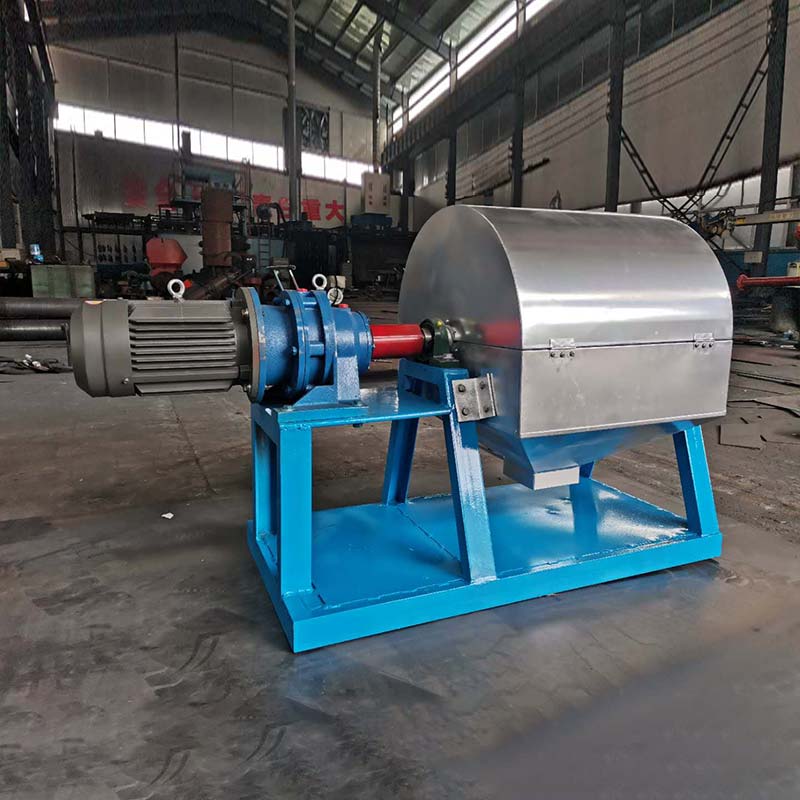
Tidak semua ball mill sistem dibangun sama. Bahkan perbedaan desain kecil dapat secara signifikan mempengaruhi siklus efisiensi dan pemeliharaan.
Konfigurasi industri umum meliputi:
- Struktur pelepasan luapan untuk stabilitas penggilingan halus
- Sistem pelepasan parut untuk kebutuhan throughput yang lebih tinggi
- Tata letak penggilingan horizontal untuk pemrosesan industri berkelanjutan
- Unit skala laboratorium untuk pengujian material sebelum penerapan penuh
Setiap struktur dirancang dengan logika produksi tertentu dalam pikiran. Sebuah mampu produsen mesin ball mill harus dapat mencocokkan konfigurasi ini dengan kondisi aplikasi nyata daripada menawarkan solusi tetap.
Apa yang Sebenarnya Mendefinisikan Pemasok Mesin Ball Mill yang Andal
Dalam pengadaan industri, pemilihan pemasok bukan tentang pemasaran dan lebih banyak tentang konsistensi teknik.
Pemasok yang dapat diandalkan biasanya diidentifikasi melalui beberapa indikator praktis:
- Kontrol manufaktur penuh dari pengecoran hingga perakitan akhir
- Praktik desain teknik yang stabil di berbagai model mesin
- Kemampuan untuk menyesuaikan struktur berdasarkan karakteristik material
- Ketersediaan suku cadang jangka panjang dan kesinambungan teknis
- Pengalaman proyek nyata di lingkungan industri
Elemen-elemen ini lebih penting daripada lembar spesifikasi. Dalam banyak kasus, kegagalan peralatan tidak disebabkan oleh keterbatasan desain, tetapi oleh adaptasi yang buruk terhadap kondisi kerja.
Bagaimana Perbedaan Kualitas Muncul Selama Operasi, Bukan Inspeksi
Di atas kertas, banyak mesin terlihat mirip. Dalam produksi aktual, perbedaan menjadi terlihat hanya setelah operasi jangka panjang.
Indikator kinerja utama meliputi:
Daya tahan struktural di bawah pembebanan dampak berkelanjutan
Stabilitas sistem transmisi dan penggerak
Perilaku memakai liner dan media penggilingan
Konsistensi ukuran partikel keluaran dari waktu ke waktu
Frekuensi pemeliharaan dalam penggunaan industri berat
Sistem yang dirancang dengan baik mengurangi gangguan operasional daripada hanya meningkatkan kapasitas output.
Mengapa Sumber Manufaktur Langsung Lebih Disukai dalam Pengadaan Industri
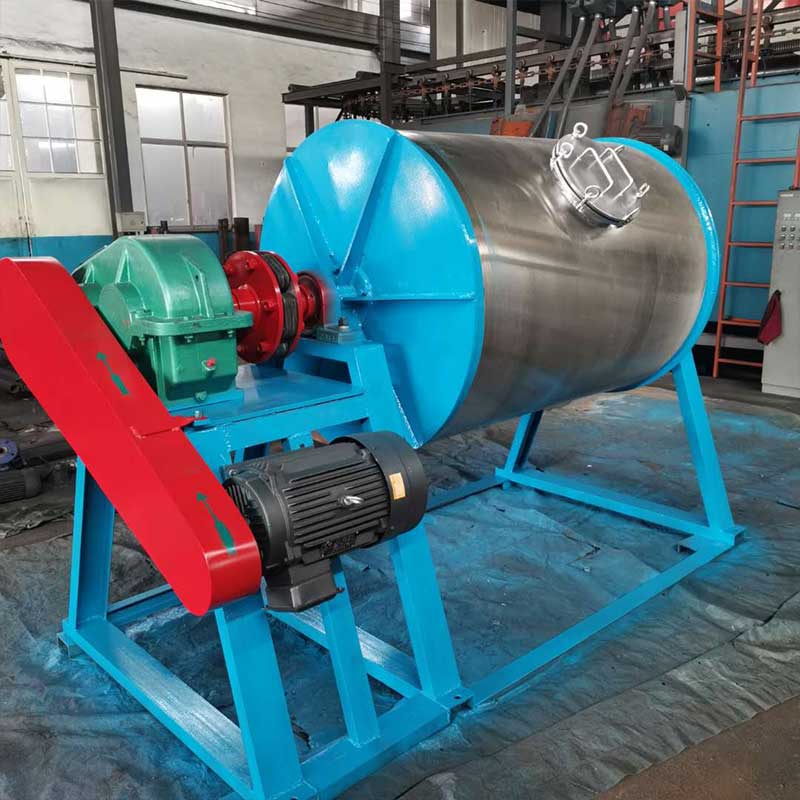
Banyak pembeli industri akhirnya beralih ke sumber langsung dari fasilitas manufaktur daripada perantara. Ini bukan hanya keputusan terkait biaya, tetapi juga teknis.
Akses manufaktur langsung menyediakan:
Kustomisasi yang lebih akurat berdasarkan persyaratan proses
Komunikasi yang lebih jelas selama tahap desain dan produksi
Penyelarasan yang lebih baik antara ekspektasi teknik dan peralatan akhir
Peningkatan kesinambungan dukungan teknis jangka panjang
Dalam proyek berskala besar, bahkan kesenjangan komunikasi yang kecil dapat menyebabkan inefisiensi operasional. Kolaborasi langsung mengurangi risiko ini secara signifikan.
Tantangan Operasional Umum dan Apa Penyebabnya
Bahkan dirancang dengan baik ball mill sistem menghadapi tantangan operasional ketika kondisinya tidak sesuai dengan kondisi.
Masalah yang umum termasuk:
- Keausan liner yang berlebihan karena ketidakcocokan material
- Berkurangnya efisiensi penggilingan yang disebabkan oleh ketidakseimbangan beban
- Masalah getaran terkait dengan distribusi material yang tidak merata
- Downtime yang tidak direncanakan dari perencanaan pemeliharaan yang tidak memadai
Tantangan ini biasanya tidak terisolasi kegagalan mekanik. Mereka sering hasil dari konfigurasi sistem tidak sepenuhnya selaras dengan kondisi produksi nyata.
Tren Permintaan Industri Membentuk Aplikasi Ball Mill
Di seluruh sektor industri global, pola permintaan untuk sistem penggilingan bergeser ke arah desain yang lebih stabil, sadar energi, dan spesifik aplikasi.
Beberapa trend terlihat jelas:
- Meningkatnya permintaan akan sistem penggilingan hemat energi
- Penekanan yang lebih besar pada stabilitas proses dibandingkan output maksimum
- Perluasan solusi penggilingan yang disesuaikan untuk bahan tertentu
- Meningkatnya penggunaan dalam proyek pertambangan dan infrastruktur skala besar
Ketika kebutuhan produksi menjadi lebih terspesialisasi, kemampuan pemasok dinilai lebih berdasarkan kemampuan beradaptasi teknik dibandingkan rangkaian produk standar.
Pendekatan Praktis untuk Memilih a Ball Mill Pemasok Mesin
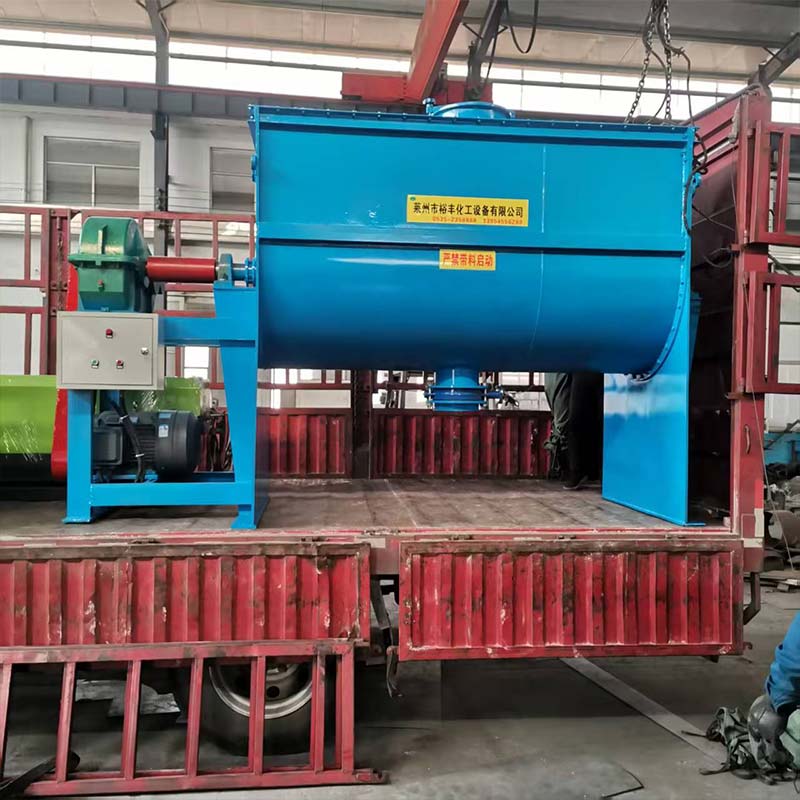
Alih-alih mengandalkan perbandingan umum, metode evaluasi yang lebih praktis berfokus pada penyelarasan proyek-spesifik.
Pertanyaan kunci yang perlu dipertimbangkan meliputi:
- Apakah sistem dapat disesuaikan dengan karakteristik material Anda?
- Apakah dukungan teknis tersedia sepanjang siklus hidup peralatan?
- Apakah pemasok memahami kondisi produksi skala industri?
- Bisakah desain disesuaikan untuk diintegrasikan ke dalam sistem yang ada?
Hubungan pemasok yang kuat dibangun melalui penyelarasan teknik, bukan pasokan transaksional.
Kesimpulan
Memilih a mesin ball mill supplier pada akhirnya merupakan keputusan teknis yang secara langsung mempengaruhi efisiensi produksi, stabilitas, dan struktur biaya operasional jangka panjang.
Di luar spesifikasi peralatan, yang paling penting adalah kemampuan teknik, konsistensi desain struktural, dan kemampuan untuk menyesuaikan sistem dengan kondisi industri nyata. Dalam penambangan, semen, metalurgi, dan pemrosesan kimia, faktor-faktor ini sering menentukan apakah produksi berjalan lancar atau menghadapi gangguan terus menerus.
Mitra manufaktur yang cocok melakukan lebih dari sekadar mengirimkan peralatan. Hal ini mendukung kinerja produksi yang stabil di seluruh siklus hidup sistem.
PERTANYAAN YANG SERING DIAJUKAN
Apa yang disediakan pemasok mesin ball mill?
Pemasok mesin ball mill menyediakan peralatan penggilingan industri yang digunakan untuk pengurangan ukuran material dalam aplikasi pertambangan, semen, kimia, dan metalurgi, bersama dengan dukungan teknis dan penyesuaian sistem.
Bagaimana cara memilih produsen mesin ball mill yang andal?
Produsen yang andal harus memiliki kemampuan produksi yang stabil, pengalaman penyesuaian teknik, sistem kontrol kualitas yang ketat, dan suku cadang jangka panjang serta ketersediaan dukungan teknis.
Apa yang biasa digunakan industri mesin ball mill?
Mesin ball mill banyak digunakan dalam pertambangan, produksi semen, metalurgi, pengolahan kimia, dan industri benefisiasi mineral untuk aplikasi penggilingan halus dan kasar.
Faktor apa saja yang mempengaruhi kinerja mesin ball mill?
Faktor kunci termasuk kualitas media penggilingan, desain liner, kecepatan rotasi, karakteristik material, dan konfigurasi sistem keseluruhan berdasarkan kebutuhan produksi.
Mengapa sumber langsung dari produsen penting?
Direct sourcing meningkatkan komunikasi teknis, memastikan kustomisasi yang lebih baik, mengurangi ketidakselarasan dalam persyaratan desain, dan memberikan dukungan operasional jangka panjang yang lebih stabil.