Daftar Isi
Pendahuluan
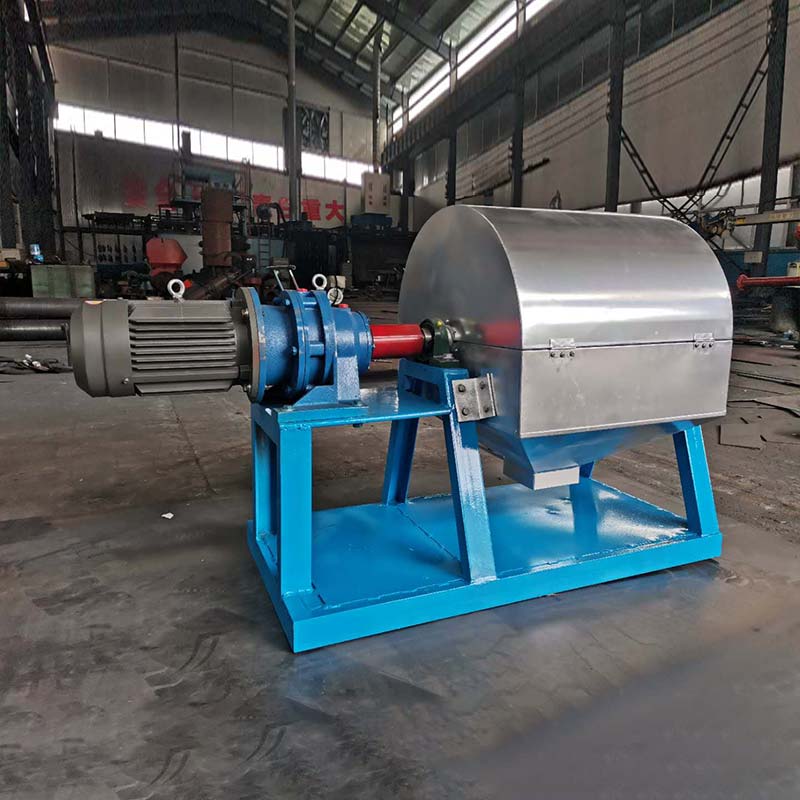
Small ball mills are essential equipment for grinding, mixing, and pulverizing materials in both laboratory and industrial applications. As a manufacturer, we design and produce high-quality small ball mills that cater to a wide range of industries, including mining, chemical processing, ceramics, and research laboratories. These machines are versatile and efficient, allowing users to achieve uniform particle sizes for a variety of materials, from ores and minerals to chemical powders and ceramics.
By choosing a small ball mill directly from the manufacturer, you ensure quality, customization options, and long-term support. Whether you are working in a lab or on a production floor, small ball mills offer reliable performance and precision.
Small Ball Mill Working Principle
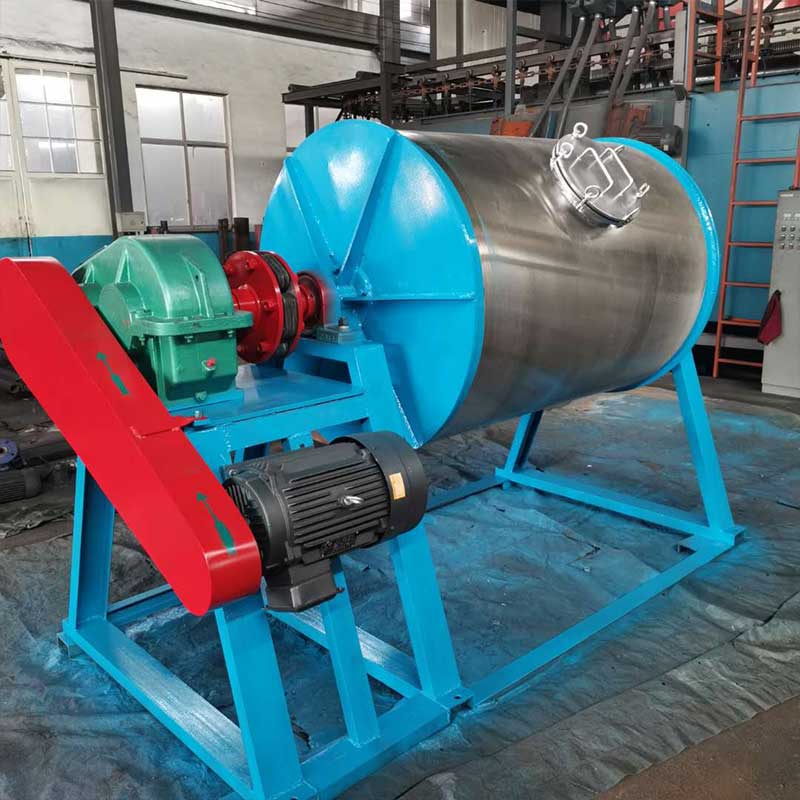
A small ball mill operates on a simple principle: the rotation of a cylinder filled with grinding media, such as steel or ceramic balls, and the material to be ground. As the cylinder rotates, the balls cascade and crush the material, reducing it to fine powder. This process combines impact and attrition forces to achieve the desired particle size.
The efficiency of a small ball mill depends on several factors, including the rotation speed, ball size, feed material characteristics, and the duration of grinding. For laboratory applications, a controlled and uniform grinding environment ensures precise results, while industrial models are designed for higher throughput and continuous operation.
Types of Small Ball Mills and Variants
Choosing the right small ball mill requires understanding the different types available. Each type has specific features suited to particular applications:
| Type | Penggunaan Khas | Material of Grinding Media | Kapasitas |
|---|---|---|---|
| Laboratory Small Ball Mill | Sample testing, research labs | Stainless steel, ceramic | 0.5–5 kg |
| Mini Ball Mill | Small-scale grinding for experiments | Stainless steel, tungsten carbide | 5–20 kg |
| Industrial Small Ball Mill | Continuous production in factories | Steel, ceramic, or alloy | 50–500 kg |
| Ceramic Ball Mill | Ceramic powder and materials research | Alumina, zirconia | 1–50 kg |
Understanding the differences between these variants helps you select the most suitable machine for your operation. Laboratory small ball mills prioritize precision and controlled conditions, while industrial models focus on capacity and durability.
Key Features to Consider in a Small Ball Mill
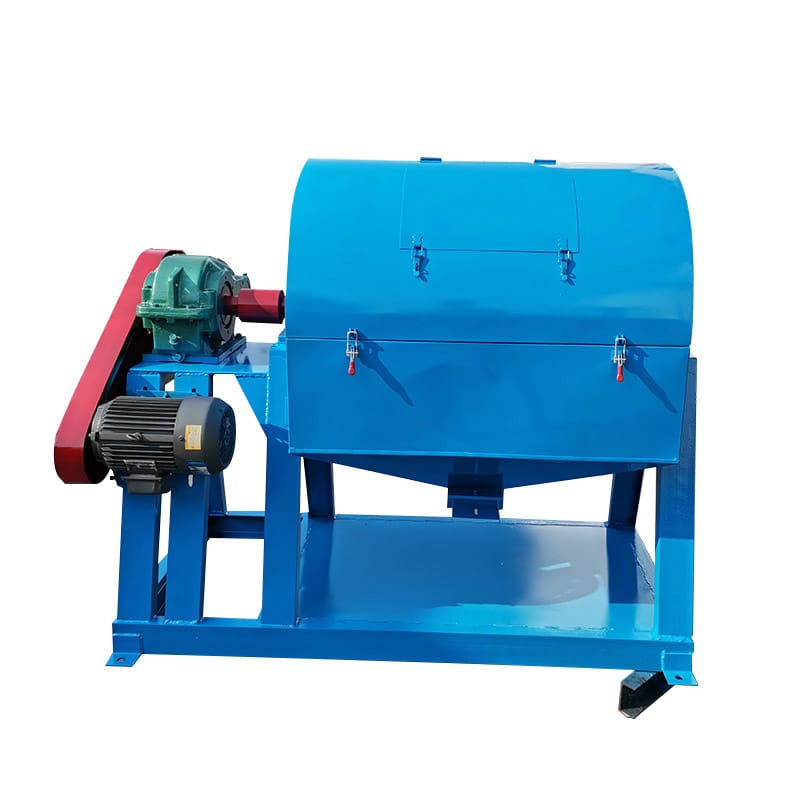
When selecting a small ball mill, the following features are crucial:
- Rotation Speed: Optimal speed ensures effective grinding without excessive wear.
- Capacity: Choose a model suitable for your material volume, whether lab-scale or industrial-scale.
- Grinding Efficiency: High-efficiency mills reduce processing time and energy consumption.
- Durability and Materials: Quality construction materials extend machine life.
- Automation and Control: Modern mills offer automated operation and precise control over parameters.
- Safety Features: Overload protection and secure lids prevent accidents.
Applications of Small Ball Mills
Small ball mills serve multiple industries and purposes:
- Mining and Ore Processing: Grind gold, silver, and other minerals to fine powder.
- Industri Kimia: Pulverize chemicals for manufacturing and lab testing.
- Laboratory and Research: Prepare samples for material analysis, testing, or experiments.
- Ceramics and Material Science: Produce ceramic powders and other advanced materials.
By selecting a small ball mill designed for your specific application, you can improve efficiency, reduce waste, and ensure consistent results.
Maintenance and Operational Tips
Proper maintenance maximizes the performance and lifespan of your small ball mill:
- Conduct regular inspections for wear and tear on grinding media and liners.
- Clean the mill after each operation to prevent contamination.
- Monitor temperature and speed to avoid overheating.
- Schedule routine lubrication and check motor and drive systems.
- Follow manufacturer guidelines for load limits and grinding durations.
Maintaining a small ball mill according to these best practices ensures optimal grinding efficiency and reduces downtime.
How to Choose the Right Small Ball Mill for Your Needs
Selecting the appropriate small ball mill involves considering:
- Application: Laboratory testing vs. industrial production.
- Material Type: Hardness, moisture content, and particle size requirements.
- Capacity Requirements: Small batches vs. continuous large-scale production.
- Budget: Initial investment, maintenance costs, and expected lifespan.
- Supplier Reliability: Choosing a manufacturer with proven experience guarantees support and customization.
As a manufacturer, we offer guidance to ensure you select a small ball mill that aligns with your operational goals and application requirements.
Advantages of Buying from a Manufacturer
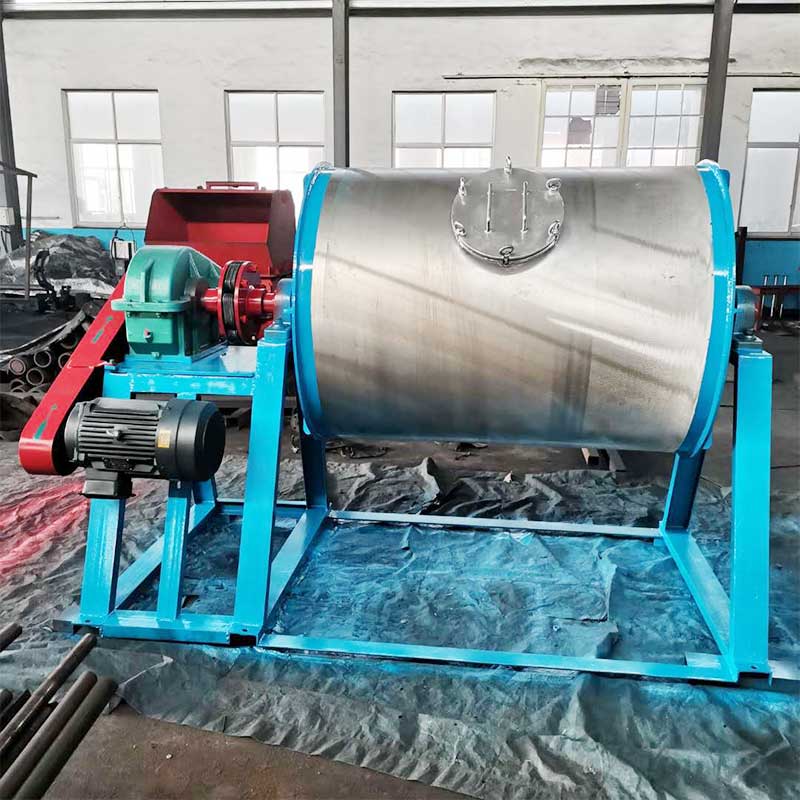
Purchasing directly from a manufacturer provides several benefits:
- Access to customized solutions tailored to your production needs.
- Assurance of high-quality materials and construction.
- Direct technical support and faster delivery times.
- Opportunities for machine upgrades and spare part availability.
Investing in a small ball mill from a trusted manufacturer ensures long-term reliability, consistent performance, and peace of mind.
Kesimpulan
Small ball mills are versatile and indispensable tools for laboratories, research institutions, and industrial operations. Understanding their working principle, types, key features, and applications helps you select the right machine for your needs. As a manufacturer, we provide high-quality small ball mills designed for efficiency, durability, and precision.
Whether you are processing minerals, chemicals, or ceramic powders, investing in a reliable small ball mill ensures consistent results and improves operational efficiency. For further guidance or to explore our range of small ball mills, contact us today and experience the benefits of working directly with a manufacturer.
PERTANYAAN YANG SERING DIAJUKAN
Q1: What is a small ball mill used for?
A: A small ball mill is used for grinding, mixing, and pulverizing materials such as ores, chemicals, and ceramics in laboratories or small-scale industrial applications.
Q2: How does a small ball mill work?
A: It works by rotating a cylinder filled with grinding media and materials. The balls cascade and crush the materials, producing fine and uniform powders.
Q3: What types of small ball mills tersedia?
A: There are laboratory small ball mills, mini ball mills, industrial small ball mills, and ceramic ball mills, each designed for specific capacity and application needs.
Q4: How do I choose the right small ball mill?
A: Consider your material type, grinding capacity, application (lab vs. industrial), desired particle size, and supplier reliability when selecting a small ball mill.
Q5: Can small ball mills be customized?
A: Yes, manufacturers can customize small ball mills in terms of capacity, material of construction, grinding media, and automation features to meet specific requirements.