Table of Contents
What Is an Industrial Sand Mill and How Does It Work?
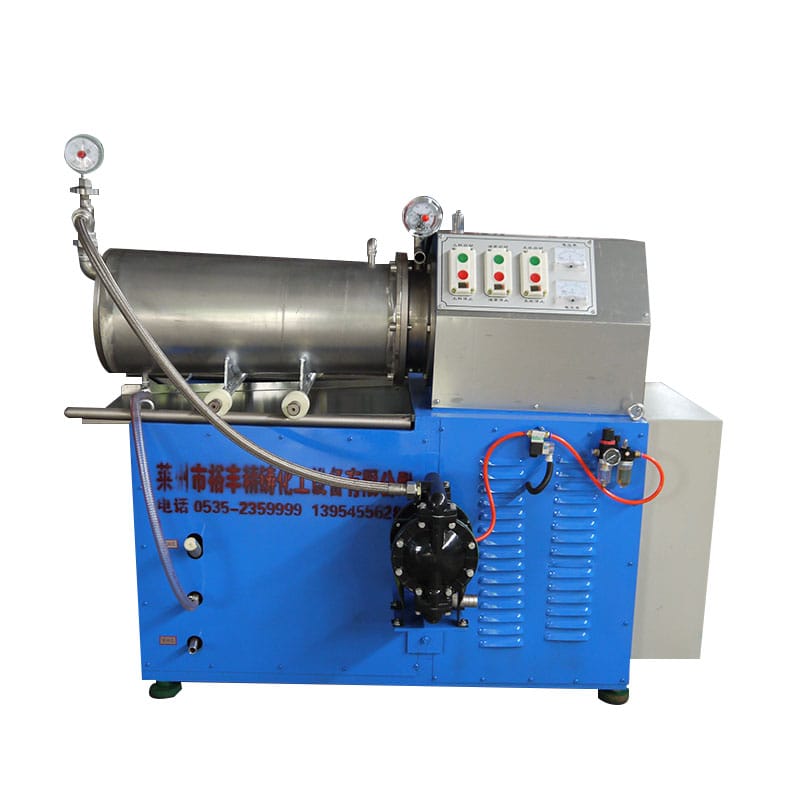
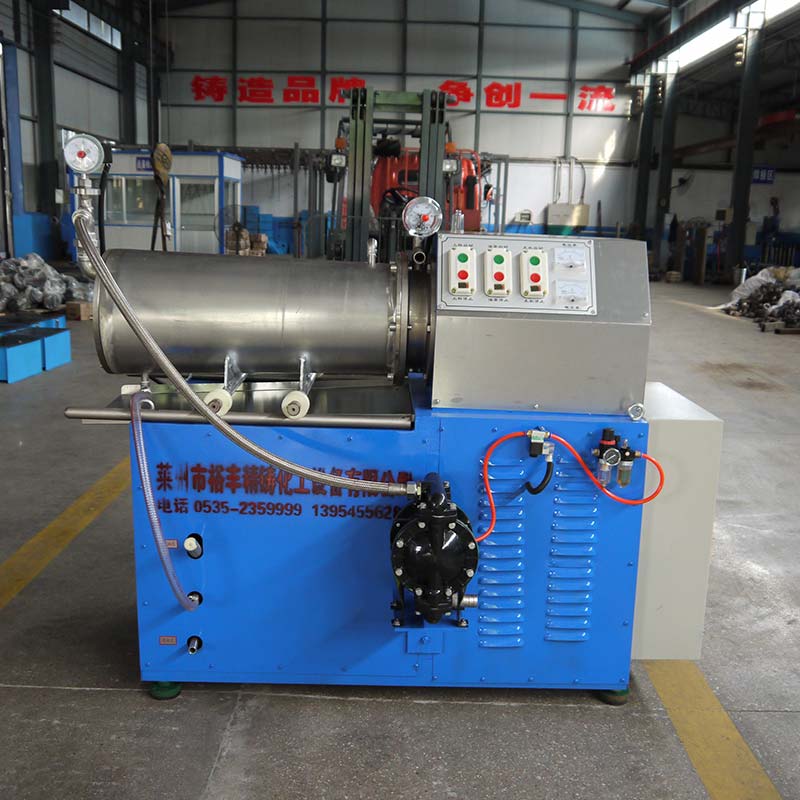
An industrial sand mill is a precision-engineered wet grinding machine designed to reduce particle size, enhance dispersion uniformity, and improve material stability across a wide range of industrial applications. It is widely used by manufacturers of paints, inks, pigments, coatings, chemicals, and nano-materials because it delivers consistent performance and high production efficiency. Compared with traditional grinding equipment, a sand mill machine achieves much finer particle refinement and greater consistency, making it an essential tool in modern production lines.
The machine operates based on a high-speed agitation and shearing principle. Inside the grinding chamber, the rotor accelerates grinding beads—usually zirconia, glass, or ceramic—causing them to collide with raw materials. This collision energy breaks down the particles and disperses them evenly throughout the mixture. The entire process occurs in a sealed, temperature-controlled chamber equipped with a cooling system, circulation pump, and precision mechanical seal to ensure stable operation. As a result, industrial sand mills provide superior fineness, improved gloss, and better color development for finished products.
Key Applications of Industrial Sand Mills Across Different Industries
Industrial sand mills serve a wide variety of industries because they can handle materials with different viscosities and grinding requirements. Their ability to achieve fine, uniform dispersion makes them indispensable in many production settings.
Paints and Coatings
In the paint and coating industry, achieving stable dispersion of pigments is crucial to performance. Industrial sand mills help create smooth textures, vibrant color strength, improved gloss, and enhanced durability. These machines are considered the backbone of modern paint grinding equipment.
Inks and Pigments
Ink manufacturers rely heavily on sand mills to ensure particles are uniformly dispersed to avoid streaking, sedimentation, or color inconsistency. Whether producing solvent-based inks, water-based inks, or high-viscosity pigment pastes, sand mills play a decisive role in final printing quality.
Chemicals and Adhesives
Many chemical formulations require precise material breakdown and uniform mixing. Sand mills help handle glue, dye intermediates, latex compounds, and high-viscosity resins efficiently, ensuring consistent product behavior during downstream processing.
Nano Materials
For industries requiring sub-micron or nano-level dispersion—such as advanced coatings, battery materials, or functional chemical additives—nano sand mills provide extremely high energy density and precise particle control. This capability is essential for developing next-generation, high-performance materials.
Types of Industrial Sand Mills and Their Differences
Different production needs require different grinding technologies, and understanding the available sand mill types helps ensure the right choice for each application.
Horizontal Sand Mill
The horizontal sand mill is the most widely used and technologically advanced type. Known for excellent cooling efficiency, stable output, and continuous operation, it is favored by high-volume factories in the coatings and ink industries. Its design allows smooth material flow and consistent grinding quality, making it highly reliable for long-shift production.
Vertical Sand Mill
Vertical sand mills have a simpler structure and lower initial cost, making them suitable for small and medium factories or for processing lower-viscosity materials. Although not as efficient as horizontal models, they remain a practical option in chemical and dye processing.
Nano Sand Mill
Nano sand mills are designed for high-precision grinding where particle size must reach the sub-micron or nano scale. These machines use smaller beads, optimized rotor structures, and advanced cooling systems to achieve extremely fine, uniform dispersion—ideal for high-end coatings, nano pigments, and battery electrode materials.
Laboratory Sand Mill
Lab-scale sand mills are indispensable for formulation development and quality testing before mass production. They allow manufacturers to finalize recipes, test fineness requirements, and simulate large-scale production performance with minimal raw material usage.
Below is a comparison table for quick reference:
| Sand Mill Type | Advantages | Typical Application |
|---|---|---|
| Horizontal Sand Mill | High efficiency, strong cooling, stable output | Paints, inks, pigments |
| Vertical Sand Mill | Compact design, economical choice | Chemicals, dyes |
| Nano Sand Mill | Ultra-fine grinding, nano dispersion | High-end coatings, battery materials |
| Laboratory Sand Mill | Ideal for R&D and small batch testing | Formula development, performance testing |
Key Features to Consider When Choosing an Industrial Sand Mill
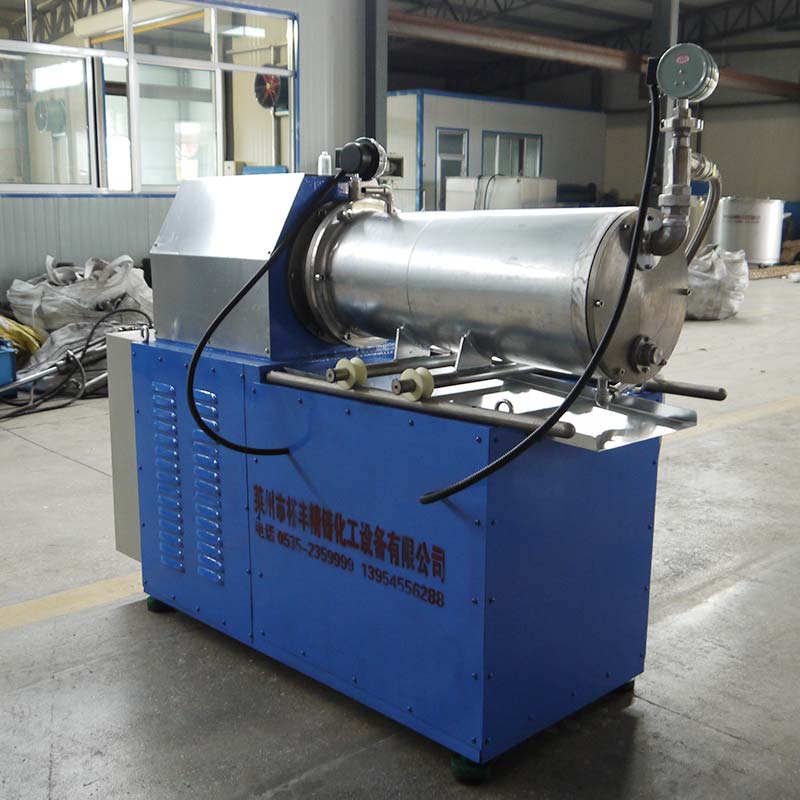
Selecting the right industrial sand mill involves evaluating several technical factors to ensure it aligns with your production goals.
Motor Power and Efficiency
A higher-power motor improves grinding performance and supports faster production cycles, especially for high-viscosity materials. Balanced power and rotary speed ensure both efficiency and stability during continuous operation.
Grinding Fineness
The final fineness depends on bead size, chamber design, and rotor geometry. A well-designed sand mill machine should provide consistent particle distribution and minimize the need for re-processing, which saves time and material.
Cooling System
Effective cooling is critical because excessive heat affects material quality, alters viscosity, and damages mechanical seals. A high-precision cooling jacket ensures stable temperature control even during long production hours.
Material Construction
Industrial sand mills are available in stainless steel, alloy steel, or ceramic-lined chambers. These materials improve resistance to corrosion, abrasion, and contamination, ensuring long-term durability and process reliability.
Automation and Control
Modern production requires precise controls, so many mills now come equipped with PLC systems, flow meters, temperature displays, automatic alarms, and intelligent pressure monitoring. These features allow operators to maintain optimal conditions consistently.
Industrial Sand Mill vs. Other Grinding Equipment
Understanding how sand mills compare with other grinding machines helps clarify why they are preferred in many industries.
Sand Mill vs. Bead Mill
Although many people use these terms interchangeably, industrial sand mills generally achieve finer results and feature better heat dissipation. Their specialized rotor and bead separation systems allow them to handle larger volumes with greater efficiency.
Sand Mill vs. Ball Mill
Ball mills provide coarse grinding but cannot reach the fine dispersion levels needed for modern coatings or inks. Sand mills deliver sub-micron fineness, consume less energy, and occupy less floor space—making them a more advanced alternative.
Sand Mill vs. Three-Roll Mill
Three-roll mills are suitable for extremely thick materials but lack the speed and fine-grinding capability of sand mills. Manufacturers seeking consistent, scalable production often choose sand mills instead.
Overall, sand mills offer superior precision, higher productivity, and lower long-term cost of operation.
Common Problems in Sand Mill Operation and How to Solve Them
Despite their reliability, sand mills may face operational challenges if not managed properly.
Overheating
Overheating can occur when the cooling system is inadequate or when bead size does not match the material’s viscosity. Proper flow control and a well-maintained cooling circuit are essential to prevent this issue.
Poor Dispersion Quality
Uneven particle distribution often stems from worn-out beads, incorrect rotor speed, or contamination inside the chamber. Regular inspection and bead refreshing can significantly improve performance.
Blockage
If filters become clogged or oversized particles enter the chamber, flow resistance increases. Routine cleaning and proper filtration prevent such interruptions.
Seal Leakage
Mechanical seal failure can result from excessive pressure, long-term wear, or improper installation. Regular maintenance ensures stable, leak-free operation and extends equipment lifespan.
Maintenance Guide for Ensuring Long-Term Performance
Proper maintenance is crucial for maximizing the performance and service life of an industrial sand mill.
Daily Checkpoints
Operators should examine temperature, pressure, bead circulation, and rotor speed before each shift. Addressing minor issues immediately avoids downtime during production.
Regular Bead Replacement
Grinding beads gradually wear down, affecting both fineness and grinding speed. Replacing them at the right intervals keeps efficiency consistent and prevents excess strain on the machine.
Cleaning the System
Thorough cleaning after each batch prevents cross-contamination and reduces the chance of filter clogging. Clean systems also deliver more accurate and reliable dispersion results.
Equipment Safety
Proper training, safe operation procedures, and routine inspection of seals, bearings, and electrical systems ensure the machine runs reliably for years.
Why Buy Industrial Sand Mills Directly from the Manufacturer
As a professional manufacturer of industrial sand mills, we understand the importance of precision engineering and reliable performance. Buying directly from the factory offers numerous advantages that distributors or intermediaries cannot match.
Customers benefit from more competitive pricing, tailored configurations, and technical support straight from the engineering team. Manufacturers can also customize chamber materials, rotor structures, bead separation systems, and automation features based on specific formulas and viscosity requirements. In addition, factory-direct service ensures faster problem resolution and guaranteed availability of spare parts—critical for large production facilities.
How to Choose the Right Industrial Sand Mill for Your Production Line
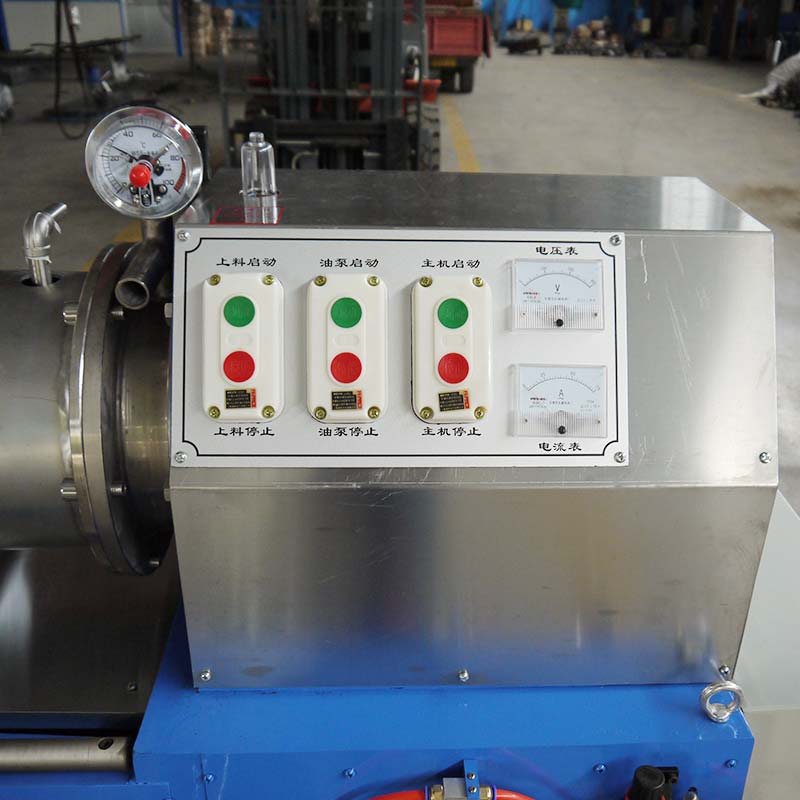
Choosing the perfect sand mill requires careful evaluation of processing needs, future scalability, and budget constraints.
Manufacturers should begin by identifying their target fineness, batch size, and material characteristics. Selecting the right grinding media—zirconia for high intensity, glass beads for economic use, or ceramic beads for chemical resistance—also affects final efficiency. Consider the long-term cost of ownership, including energy consumption, maintenance frequency, and spare part availability. Finally, ensure the equipment can adapt to future formula upgrades or capacity expansion.
A well-selected industrial sand mill not only improves production performance but also enhances the overall quality and market competitiveness of the final product.
Conclusion
Industrial sand mills are an essential part of modern manufacturing, providing the fine grinding and precise dispersion needed for paints, coatings, inks, pigments, adhesives, chemicals, and nano materials. Their efficiency, consistency, and reliability make them the preferred choice for industries seeking high-performance production solutions. As a dedicated manufacturer, we deliver advanced sand mill technology, customized solutions, and professional technical support to help customers achieve stable, scalable, and cost-effective production.
Choosing the right sand mill is a strategic decision that directly influences product quality and production efficiency. With the right equipment and proper maintenance, manufacturers can achieve superior dispersion results, reduce energy consumption, and maintain a competitive edge in the market.
FAQ
Q1: What is an industrial sand mill used for?
A: Industrial sand mills are used for wet grinding and fine dispersion of materials such as paints, inks, pigments, chemicals, and adhesives. They ensure uniform particle size and improve product quality.
Q2: How does a sand mill machine work?
A: A sand mill works by circulating material through a chamber filled with grinding beads. The high-speed rotor agitates the beads, breaking down particles into ultra-fine sizes for smooth dispersion.
Q3: What types of industrial sand mills are available?
A: Common types include horizontal sand mills for large-scale production, vertical sand mills for lower-viscosity materials, nano sand mills for ultra-fine grinding, and lab-scale sand mills for R&D.
Q4: How do I maintain an industrial sand mill?
A: Regular maintenance includes checking the temperature and pressure, replacing worn grinding beads, cleaning the chamber and filters, and following safety procedures to ensure consistent performance.
Q5: Why should I buy an industrial sand mill directly from the manufacturer?
A: Purchasing directly ensures factory pricing, customizable features, faster technical support, access to OEM solutions, and guaranteed availability of spare parts for reliable long-term operation.