สารบัญ
เครื่องผสมการกระจายตัวความเร็วสูงเป็นหนึ่งในอุปกรณ์ที่หลากหลายและมีประสิทธิภาพมากที่สุดที่ใช้ในการผลิตทางอุตสาหกรรมสมัยใหม่ ในฐานะผู้ผลิตเครื่องผสมการกระจายตัวความเร็วสูงเราได้เห็นโดยตรงว่าสารละลายผสมที่เหมาะสมสามารถปรับปรุงคุณภาพของผลิตภัณฑ์ลดเวลาการประมวลผลและลดต้นทุนการผลิตโดยรวมได้อย่างไร ไม่ว่าคุณจะทํางานกับสีหมึกกาวเครื่องสําอางหรือของเหลวเคมีเครื่องผสมการกระจายตัวด้วยความเร็วสูงมีแรงเฉือนที่ทรงพลังซึ่งจะสลายอนุภาคทําให้ของเหลวเป็นอิมัลชันและสร้างการกระจายตัวที่มั่นคง.
ในคู่มือนี้เราจะอธิบายวิธีการทํางานของเครื่องผสมการกระจายตัวความเร็วสูงที่ใช้กันทั่วไปวิธีการเลือกรุ่นที่เหมาะสมและวิธีการบํารุงรักษาเพื่อความน่าเชื่อถือในระยะยาว เป้าหมายของเราคือการให้ข้อมูลที่เป็นประโยชน์ซึ่งช่วยให้คุณตัดสินใจซื้อได้ดีขึ้นและบรรลุผลลัพธ์ที่สม่ําเสมอมากขึ้นในกระบวนการผลิตของคุณ.
อะไร เครื่องผสมการกระจายความเร็วสูง?
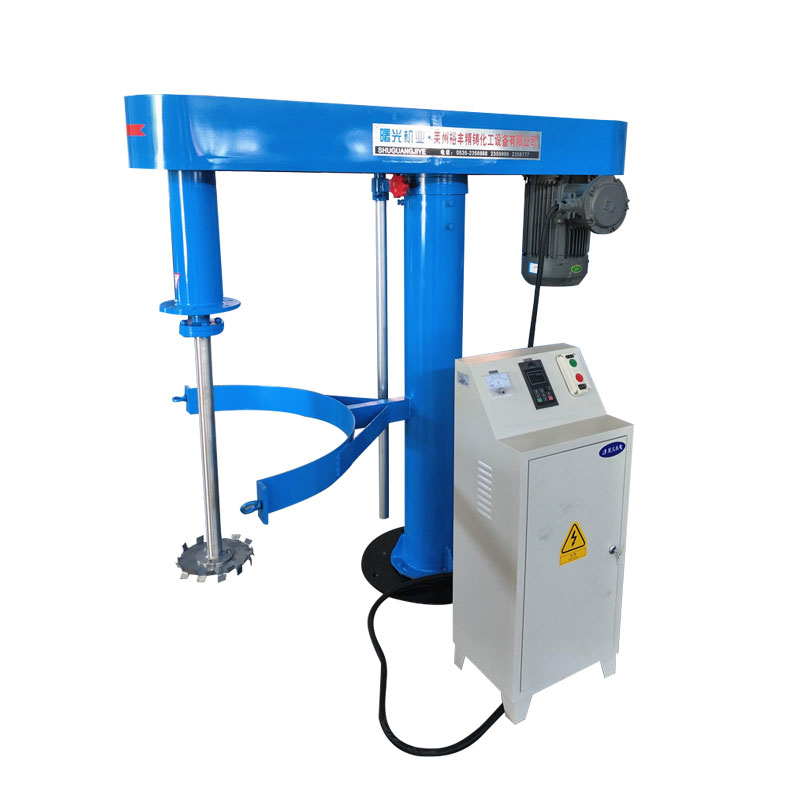
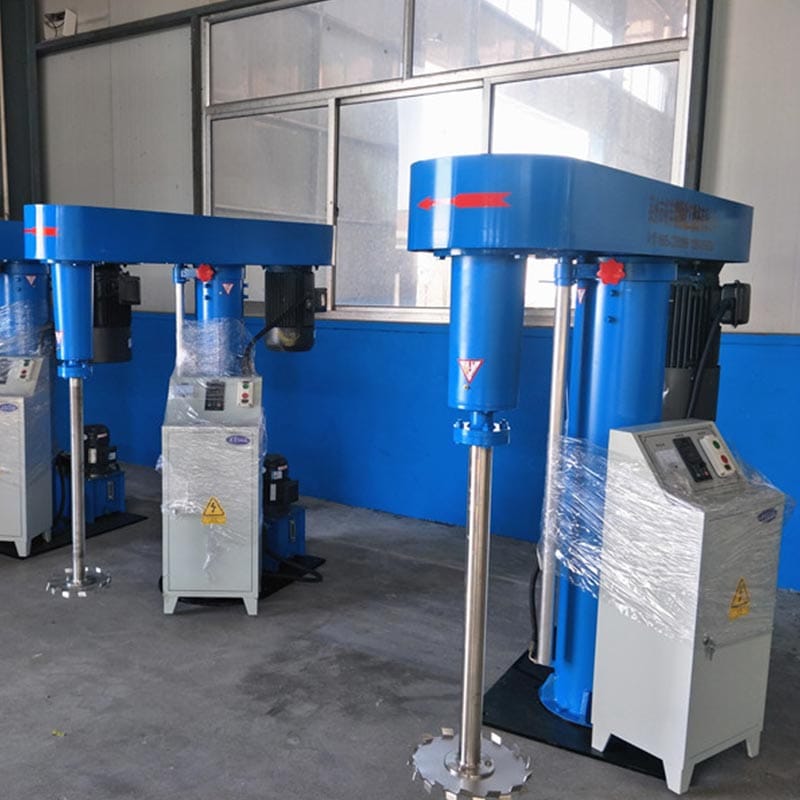
เครื่องผสมแบบกระจายความเร็วสูงเป็นเครื่องผสมเฉพาะที่ออกแบบมาเพื่อกระจายของแข็งให้เป็นของเหลวด้วยความเร็วการหมุนสูง โรเตอร์ของเครื่องผสมจะสร้างแรงเฉือนที่รุนแรงซึ่งจะสลายอนุภาคและกระจายอนุภาคอย่างสม่ําเสมอทั่วทั้งของเหลว ทําให้เหมาะอย่างยิ่งสําหรับการใช้งานที่ต้องการขนาดอนุภาคที่สม่ําเสมอและอิมัลชันที่เสถียร.
เครื่องผสมการกระจายตัวความเร็วสูงมักถูกเปรียบเทียบกับอุปกรณ์อื่น ๆ เช่นเครื่องผสมแรงเฉือนสูงโฮโมจีไนเซอร์และเครื่องผสมดาวเคราะห์ ความแตกต่างที่สําคัญอยู่ที่กลไกการผสมและประเภทของผลิตภัณฑ์ที่แต่ละเครื่องเหมาะที่สุด ในขณะที่เครื่องผสมแรงเฉือนสูงอาจดีกว่าสําหรับการอิมัลชันแบบละเอียดเครื่องผสมการกระจายตัวจะเก่งในการสลายผงเม็ดสีและวัสดุแข็งอื่น ๆ ในสื่อที่มีความหนืด.
โดยทั่วไปส่วนประกอบหลักประกอบด้วยมอเตอร์ที่มีประสิทธิภาพชุดโรเตอร์สเตเตอร์ถังผสมและแผงควบคุม รุ่นขั้นสูงอาจรวมถึงคุณสมบัติต่างๆเช่นความสามารถในการดูดฝุ่นระบบทําความร้อนหรือทําความเย็นและการควบคุม PLC อัตโนมัติ.
เครื่องผสมการกระจายตัวความเร็วสูงทํางานอย่างไร?
หลักการทํางานของเครื่องผสมการกระจายความเร็วสูงจะขึ้นอยู่กับแรงเฉือนเชิงกล เมื่อโรเตอร์หมุนด้วยความเร็วสูงจะทําให้เกิดการไล่ระดับความเร็วสูงระหว่างโรเตอร์และสเตเตอร์ แรงเฉือนนี้ทําให้อนุภาคแตกตัวและกระจายตัวสม่ําเสมอในของเหลว ในขณะเดียวกันความปั่นป่วนและโพรงอากาศจะช่วยปรับปรุงประสิทธิภาพการผสม.
ในทางปฏิบัติเครื่องผสมจะเร่งกระบวนการผสมโดยการกระจายของแข็งอย่างรวดเร็วลงในของเหลวและลดการจับตัวเป็นก้อน ช่วงความเร็วและการออกแบบโรเตอร์ส่งผลโดยตรงต่อประสิทธิภาพของเครื่องผสม ตัวอย่างเช่นโรเตอร์ความเร็วสูงที่มีเส้นผ่านศูนย์กลางใหญ่กว่าอาจสร้างแรงเฉือนมากขึ้นซึ่งเป็นประโยชน์สําหรับสารแขวนลอยที่มีความหนาแน่นสูงหรือวัสดุที่มีความหนืดสูง.
การรวมกันของแรงเฉือนความปั่นป่วนและความแตกต่างของความดันช่วยให้เกิดการกระจายตัวและอิมัลชันที่มั่นคง นี่คือเหตุผลที่เครื่องผสมการกระจายตัวความเร็วสูงถูกนํามาใช้กันอย่างแพร่หลายในอุตสาหกรรมที่ความสม่ําเสมอของผลิตภัณฑ์เป็นสิ่งสําคัญ.
การใช้งานเครื่องผสมการกระจายตัวความเร็วสูงทั่วทั้งอุตสาหกรรม
เครื่องผสมการกระจายตัวความเร็วสูงถูกนํามาใช้ในอุตสาหกรรมที่หลากหลายเนื่องจากสามารถจัดการกับวัสดุและความหนืดประเภทต่างๆ ด้านล่างนี้คือการใช้งานทั่วไป:
สีและการเคลือบ
ในการผลิตสีเครื่องผสมการกระจายตัวจะใช้ในการสลายเม็ดสีและให้แน่ใจว่าสีและพื้นผิวสม่ําเสมอ การกระจายตัวที่เหมาะสมช่วยป้องกันการตกตะกอนและปรับปรุงเสถียรภาพโดยรวมของสี.
หมึกและวัสดุการพิมพ์
ผู้ผลิตหมึกอาศัยเครื่องผสมการกระจายตัวความเร็วสูงเพื่อกระจายเม็ดสีและสารเติมแต่งเพื่อให้มั่นใจถึงความหนาแน่นของสีและประสิทธิภาพการพิมพ์ที่สม่ําเสมอ.
กาวและสารเคลือบหลุมร่องฟัน
สูตรกาวมักต้องการการผสมที่แม่นยําเพื่อให้ได้คุณสมบัติการยึดเกาะที่เหมาะสม เครื่องผสมแบบกระจายตัวสามารถกระจายสารตัวเติม เรซิน และสารเติมแต่งได้อย่างสม่ําเสมอ.
เครื่องสําอางและการดูแลส่วนบุคคล
ในเครื่องสําอาง เครื่องผสมแบบกระจายตัวช่วยผสมผง เม็ดสี และอิมัลซิไฟเออร์เพื่อผลิตครีม โลชั่น และผลิตภัณฑ์แต่งหน้าที่คงตัว.
ของเหลวเคมีและอุตสาหกรรม
กระบวนการทางเคมีหลายอย่างต้องการการกระจายตัวของอนุภาคของแข็งในของเหลวรวมถึงตัวเร่งปฏิกิริยาสารตัวเติมและสารเพิ่มความคงตัว เครื่องผสมการกระจายตัวความเร็วสูงเหมาะสําหรับงานเหล่านี้.
การใช้งานด้านเภสัชกรรมและอาหาร
สําหรับผลิตภัณฑ์ยาและอาหารอุปกรณ์ผสมต้องเป็นไปตามมาตรฐานด้านสุขอนามัยและความปลอดภัยที่เข้มงวด เครื่องผสมแบบกระจายที่ออกแบบมาสําหรับอุตสาหกรรมเหล่านี้สามารถสร้างด้วยสแตนเลสและตรงตามข้อกําหนด GMP.
คุณสมบัติหลักที่ต้องมองหาเมื่อเลือก เครื่องผสมการกระจายความเร็วสูง
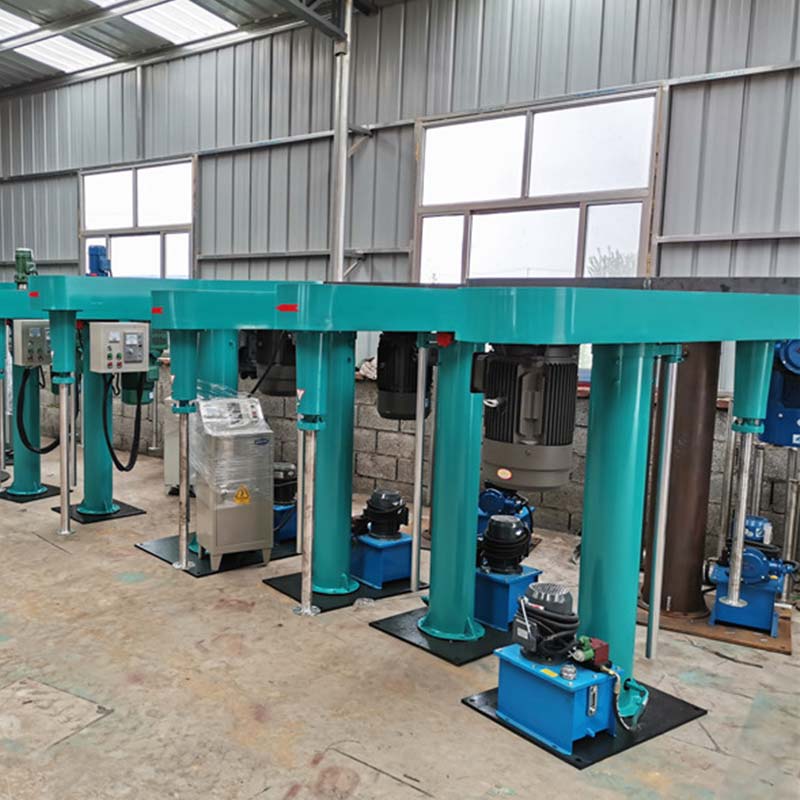
การเลือกเครื่องผสมการกระจายความเร็วสูงที่เหมาะสมขึ้นอยู่กับความต้องการในการผลิตเฉพาะของคุณ นี่คือคุณสมบัติที่สําคัญที่สุดที่ควรพิจารณา:
กําลังมอเตอร์และช่วง RPM
มอเตอร์ต้องมีพลังมากพอที่จะจัดการกับความหนืดและปริมาตรของวัสดุ แนะนําให้ใช้การควบคุมความเร็วแบบแปรผันเพื่อให้คุณสามารถปรับ RPM ตามคุณลักษณะของวัสดุได้.
ความสามารถในการผสมและขนาดถัง
เลือกเครื่องผสมที่ตรงกับขนาดแบทช์ของคุณ เครื่องผสมที่มีขนาดต่ํากว่าอาจมีความร้อนสูงเกินไปหรือไม่สามารถกระจายตัวอย่างสม่ําเสมอในขณะที่เครื่องผสมขนาดใหญ่อาจไม่มีประสิทธิภาพ.
ความเข้ากันได้ของวัสดุ
อุตสาหกรรมที่แตกต่างกันต้องการวัสดุที่แตกต่างกันสําหรับส่วนประกอบเครื่องผสม สแตนเลสเป็นเรื่องธรรมดาสําหรับการใช้งานด้านอาหารยาและเครื่องสําอางในขณะที่เหล็กกล้าคาร์บอนอาจเหมาะสําหรับการใช้งานในอุตสาหกรรม.
ตัวเลือกสูญญากาศและความร้อน/ความเย็น
บางกระบวนการต้องการผสมสูญญากาศเพื่อลดฟองอากาศหรือความร้อน/ความเย็นเพื่อควบคุมอุณหภูมิของปฏิกิริยา ตัวเลือกเหล่านี้ช่วยปรับปรุงคุณภาพของผลิตภัณฑ์และการควบคุมกระบวนการ.
ระบบควบคุม: PLC กับแบบแมนนวล
ระบบควบคุม PLC ให้การทํางานอัตโนมัติ การจัดเก็บสูตร และความสอดคล้องของกระบวนการที่ดีขึ้น การควบคุมด้วยตนเองอาจเพียงพอสําหรับการใช้งานขนาดเล็กหรือซับซ้อนน้อยกว่า.
คุณลักษณะด้านความปลอดภัยและมาตรฐานการปฏิบัติตามข้อกําหนด
ความปลอดภัยเป็นสิ่งจําเป็น มองหาเครื่องผสมที่มีการปิดผนึกที่เหมาะสมระบบหยุดฉุกเฉินและการปฏิบัติตามมาตรฐานที่เกี่ยวข้อง (เช่น CE, ISO).
เครื่องผสมการกระจายตัวความเร็วสูงเทียบกับอุปกรณ์ผสมอื่น ๆ
เมื่อเลือกอุปกรณ์ผสมสิ่งสําคัญคือต้องเข้าใจว่าเครื่องผสมการกระจายตัวความเร็วสูงเปรียบเทียบกับประเภทอื่นอย่างไร:
เครื่องผสมการกระจายความเร็วสูงเทียบกับโฮโมจีไนเซอร์
โฮโมจีไนเซอร์ได้รับการออกแบบมาเพื่อผลิตอิมัลชันที่ละเอียดมากและมักใช้ในงานด้านเภสัชกรรมและอาหาร เครื่องผสมแบบกระจายจะดีกว่าสําหรับการกระจายผงและเม็ดสีในของเหลวที่มีความหนืด.
เครื่องผสมการกระจายความเร็วสูงเทียบกับเครื่องผสมดาวเคราะห์
เครื่องผสมดาวเคราะห์เหมาะสําหรับแป้งเพสต์หนาและวัสดุคล้ายแป้งซึ่งการดําเนินการผสมจําเป็นต้องเข้าถึงทุกพื้นที่ของถัง เครื่องผสมแบบกระจายเป็นเลิศในระบบของเหลวที่ต้องการแรงเฉือน.
เครื่องผสมการกระจายความเร็วสูงกับอิมัลซิไฟเออร์โรเตอร์สเตเตอร์
อิมัลซิไฟเออร์โรเตอร์สเตเตอร์ให้แรงเฉือนที่แข็งแกร่งสําหรับอิมัลซิไฟเออร์ เครื่องผสมการกระจายตัวสามารถให้แรงเฉือนที่คล้ายกันแต่เน้นที่การกระจายตัวของของแข็งและสร้างสารแขวนลอยที่เสถียร.
ปัญหาและการแก้ไขปัญหาทั่วไป (เคล็ดลับของผู้ผลิต)
แม้แต่อุปกรณ์ที่ดีที่สุดก็สามารถประสบปัญหาได้หากไม่ได้ดําเนินการอย่างถูกต้อง นี่คือปัญหาและวิธีแก้ปัญหาทั่วไป:
มิกเซอร์ไม่กระจายอย่างสม่ําเสมอ
- ตรวจสอบช่องว่างของโรเตอร์/สเตเตอร์ และปรับหากจําเป็น
- ตรวจสอบให้แน่ใจว่าความเร็วเหมาะสมกับวัสดุ
- ค่อยๆเติมผงเพื่อป้องกันการจับตัวเป็นก้อน
ความร้อนสูงเกินไปและความล้มเหลวของมอเตอร์
- ลดความเร็วในการผสมหรือขนาดแบทช์
- ปรับปรุงการระบายความร้อนหรือเพิ่มแจ็คเก็ตระบายความร้อน
- ตรวจสอบปัญหาเครื่องจักรกลเกินพิกัดหรือแบริ่ง
ปัญหาการสั่นสะเทือนและเสียง
- ตรวจสอบให้แน่ใจว่าเครื่องผสมได้รับการติดตั้งอย่างเหมาะสมและสมดุล
- ตรวจสอบการจัดตําแหน่งและการสึกหรอของโรเตอร์
- ลดความเร็วหรือปรับตําแหน่งการผสม
ความเสี่ยงจากการรั่วไหลหรือการปนเปื้อน
- ตรวจสอบซีลและปะเก็นอย่างสม่ําเสมอ
- ใช้ระบบปิดผนึกที่เหมาะสมสําหรับการผสมสูญญากาศ
- ทําความสะอาดถังและส่วนประกอบหลังจากแต่ละชุด
คู่มือการบํารุงรักษาสําหรับ เครื่องผสมการกระจายความเร็วสูง
การบํารุงรักษาเป็นประจําช่วยให้มั่นใจได้ถึงประสิทธิภาพในระยะยาวและลดเวลาหยุดทํางาน นี่คือรายการตรวจสอบการบํารุงรักษาที่ใช้งานได้จริง:
| งานบํารุงรักษา | ความถี่ | ขั้นตอนสําคัญ |
|---|---|---|
| การตรวจสอบประจําวัน | รายวัน | ตรวจสอบซีล อุณหภูมิมอเตอร์ และเสียงรบกวน |
| การหล่อลื่น | รายเดือน | หล่อลื่นแบริ่งและชิ้นส่วนที่เคลื่อนไหว |
| การทําความสะอาดโรเตอร์/สเตเตอร์ | หลังจากแต่ละชุด | ทําความสะอาดด้วยตัวทําละลายหรือน้ําที่เหมาะสม |
| การเปลี่ยนซีล | รายไตรมาส | เปลี่ยนซีลที่สึกหรอเพื่อป้องกันการรั่วซึม |
| การตรวจสอบเต็มรูปแบบ | รายครึ่งปี | ตรวจสอบมอเตอร์ กระปุกเกียร์ และระบบควบคุม |
การปฏิบัติตามแผนการบํารุงรักษาที่มีโครงสร้างจะช่วยยืดอายุการใช้งานของเครื่องผสมและรักษาคุณภาพการผสมที่สม่ําเสมอ.
เหตุใดการเลือกผู้ผลิตจึงมีความสําคัญโดยตรง
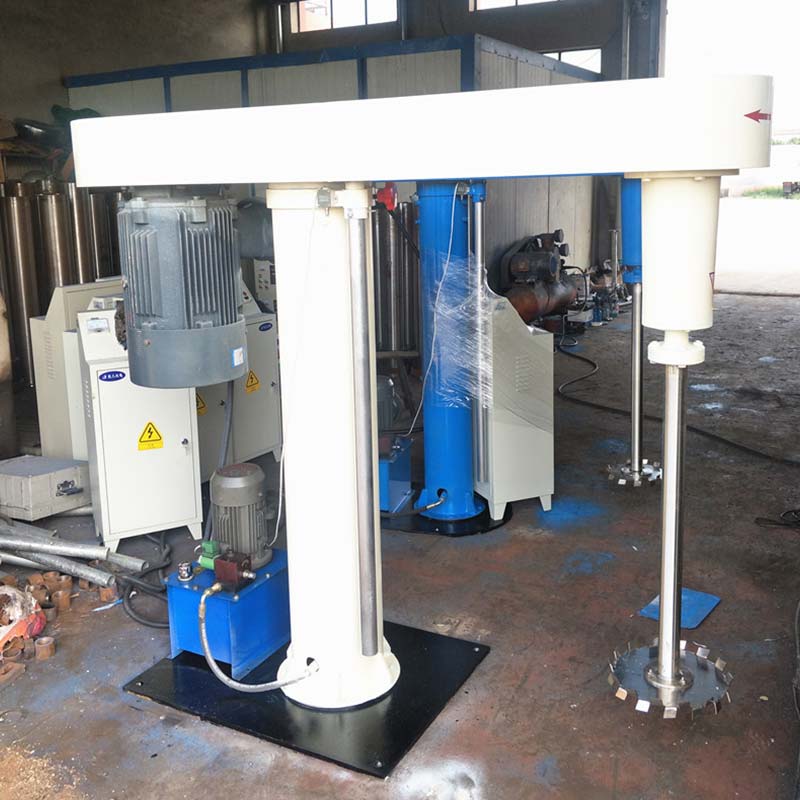
การซื้อโดยตรงจากผู้ผลิตมีข้อได้เปรียบที่สําคัญกว่าการซื้อผ่านผู้จัดจําหน่ายหรือผู้ค้าปลีก ในฐานะผู้ผลิตเราให้:
โซลูชันที่ปรับแต่งได้และความสามารถ OEM/ODM
เราสามารถปรับแต่งการออกแบบของเครื่องผสมขนาดถังประเภทโรเตอร์และระบบควบคุมตามความต้องการการผลิตที่แน่นอนของคุณ เพื่อให้แน่ใจว่าอุปกรณ์จะทํางานได้อย่างเหมาะสมที่สุดสําหรับผลิตภัณฑ์ของคุณ.
การควบคุมคุณภาพและมาตรฐานการผลิต
การผลิตโดยตรงช่วยให้สามารถควบคุมคุณภาพอย่างเข้มงวดตั้งแต่วัตถุดิบไปจนถึงการประกอบขั้นสุดท้าย ซึ่งช่วยเพิ่มความน่าเชื่อถือและลดความเสี่ยงของข้อบกพร่อง.
เวลานําที่เร็วขึ้นและบริการหลังการขายที่เชื่อถือได้
การทํางานร่วมกับผู้ผลิตช่วยให้มั่นใจได้ถึงการส่งมอบที่รวดเร็วขึ้นและเข้าถึงการสนับสนุนทางเทคนิค อะไหล่ และบริการบํารุงรักษาได้โดยตรง.
การสนับสนุนผู้ผลิตปรับปรุงผลการผสม
ผู้ผลิตเข้าใจผลิตภัณฑ์และกระบวนการอย่างลึกซึ้ง โดยให้คําแนะนําเกี่ยวกับพารามิเตอร์การผสม การเลือกโรเตอร์ และการเพิ่มประสิทธิภาพกระบวนการ.
สรุป
เครื่องผสมการกระจายตัวความเร็วสูงเป็นโซลูชันที่มีประสิทธิภาพและมีประสิทธิภาพสําหรับการกระจายผงเม็ดสีและวัสดุแข็งอื่น ๆ ให้เป็นของเหลว ในฐานะผู้ผลิตเราเข้าใจถึงความสําคัญของอุปกรณ์ที่เชื่อถือได้ประสิทธิภาพที่สม่ําเสมอและการบํารุงรักษาที่เหมาะสม การเลือกเครื่องผสมที่เหมาะสมการเพิ่มประสิทธิภาพกระบวนการผสมและการปฏิบัติตามแผนการบํารุงรักษาที่มีโครงสร้างสามารถปรับปรุงคุณภาพผลิตภัณฑ์และประสิทธิภาพการผลิตได้อย่างมาก.
หากคุณกําลังมองหา เครื่องผสมการกระจายความเร็วสูง สําหรับสายการผลิตของคุณทีมผู้ผลิตของเราสามารถให้บริการโซลูชั่นที่กําหนดเองการสนับสนุนด้านเทคนิคและบริการหลังการขายที่เชื่อถือได้ ติดต่อเราเพื่อหารือเกี่ยวกับความต้องการเฉพาะของคุณและรับใบเสนอราคาโดยละเอียด.
คำถามที่พบบ่อย
ช่วงความเร็วที่ดีที่สุดสําหรับเครื่องผสมการกระจายความเร็วสูงคืออะไร?
ความเร็วที่เหมาะสมขึ้นอยู่กับความหนืดของวัสดุและขนาดอนุภาคของคุณ เครื่องผสมส่วนใหญ่ทํางานระหว่าง 500 ถึง 3000 รอบต่อนาที ด้วยความเร็วที่ปรับได้สําหรับการใช้งานที่แตกต่างกัน.
สามารถ เครื่องผสมการกระจายความเร็วสูง จัดการวัสดุที่มีความหนืดสูง?
ใช่ หลายรุ่นได้รับการออกแบบสําหรับระบบที่มีความหนืดสูง แต่สิ่งสําคัญคือต้องเลือกกําลังมอเตอร์และการออกแบบโรเตอร์ที่เหมาะสม.
คุณเสนอเครื่องผสมการกระจายตัวแบบกําหนดเองสําหรับอุตสาหกรรมเฉพาะหรือไม่?
ใช่ เรามีโซลูชันที่ปรับแต่งตามความต้องการสําหรับสี หมึก กาว เครื่องสําอาง และการใช้งานทางอุตสาหกรรมอื่นๆ.
อะไรคือความแตกต่างระหว่างเครื่องผสมแบบกระจายตัวและอิมัลซิไฟเออร์?
เครื่องผสมแบบกระจายตัวมุ่งเน้นไปที่การสลายของแข็งให้เป็นของเหลว ในขณะที่อิมัลซิไฟเออร์ได้รับการออกแบบมาเพื่อผสมของเหลวที่ไม่สามารถผสมกันได้ 2 ชนิด (เช่น น้ํามันและน้ํา) ให้เป็นอิมัลชันที่เสถียร.
ควรเปลี่ยนโรเตอร์/สเตเตอร์บ่อยแค่ไหน?
ความถี่ในการเปลี่ยนขึ้นอยู่กับการใช้งานและการขัดถูของวัสดุ โดยทั่วไปแนะนําให้ตรวจสอบเป็นประจําทุก 36 เดือน.