สารบัญ
ทําความเข้าใจอะไรก เครื่องบดคอลลอยด์ ผู้ผลิตให้จริง

โรงสีคอลลอยด์เป็นเครื่องจักรที่มีความแม่นยําซึ่งออกแบบมาสําหรับการบดแบบเปียกการทําให้เป็นอิมัลชันการกระจายตัวและการทําให้เป็นเนื้อเดียวกันของวัสดุ ที่แกนกลางของเครื่องใช้กลไกโรเตอร์สเตเตอร์โรเตอร์ความเร็วสูงหมุนภายในสเตเตอร์ที่อยู่นิ่งสร้างแรงเฉือนที่รุนแรงซึ่งลดขนาดอนุภาคให้ละเอียดถึง 1-5 ไมครอน สิ่งนี้ทําให้จําเป็นสําหรับอุตสาหกรรมตั้งแต่การแปรรูปอาหารไปจนถึงเภสัชภัณฑ์.
แต่นี่คือสิ่งสําคัญของความแตกต่าง: ผู้ผลิตโรงสีคอลลอยด์โดยพื้นฐานแล้วแตกต่างจากบริษัทการค้า ผู้ผลิตออกแบบ วิศวกร และผลิตอุปกรณ์ด้วยตนเอง พวกเขาควบคุมคุณภาพวัสดุ การตัดเฉือนที่แม่นยํา และกระบวนการประกันคุณภาพ ในทางกลับกัน บริษัทการค้าจัดหาอุปกรณ์จากโรงงานต่างๆ โดยไม่มีการควบคุมการผลิตโดยตรง.
ทําไมเรื่องนี้ถึงเป็นเรื่องสําหรับธุรกิจของคุณ การจัดหาจากโรงงานโดยตรงทําให้มั่นใจในคุณภาพที่สม่ําเสมอการกําหนดราคาที่โปร่งใสและความสามารถในการปรับแต่งอุปกรณ์ตามความต้องการเฉพาะของคุณ เมื่อคุณกําลังแปรรูปเนยถั่วขี้ผึ้งยาหรือครีมเครื่องสําอางระดับการควบคุมนั้นแปลโดยตรงถึงความสม่ําเสมอของผลิตภัณฑ์และประสิทธิภาพการผลิต.
อุตสาหกรรมที่อาศัยระบบโรงสีคอลลอยด์มีความหลากหลาย ผู้ผลิตอาหารใช้พวกเขาสําหรับเนยถั่วซอสและผลิตภัณฑ์นม บริษัท ยาขึ้นอยู่กับพวกเขาสําหรับขี้ผึ้งสารแขวนลอยและสูตรยา ผู้แปรรูปสารเคมีต้องการพวกเขาสําหรับสีน้ํามันหล่อลื่นและสารประกอบพิเศษ แบรนด์เครื่องสําอางพึ่งพาโรงสีคอลลอยด์สําหรับโลชั่นครีมและอิมัลชัน แต่ละแอปพลิเคชันต้องการมาตรฐานทางเทคนิคเฉพาะซึ่งเป็นเหตุผลว่าทําไมการเลือกผู้ผลิตที่เหมาะสมจึงมีความสําคัญ.
เหตุใดการเลือกผู้ผลิตโรงสีคอลลอยด์ที่เหมาะสมจึงส่งผลต่อประสิทธิภาพการผลิต
ผู้ผลิตที่คุณเป็นพันธมิตรด้วยมีผลโดยตรงต่อประสิทธิภาพของสายการผลิตของคุณ พิจารณาคุณภาพอิมัลชัน: ระบบโรเตอร์สเตเตอร์ที่ออกแบบมาอย่างดีพร้อมการปรับช่องว่างที่แม่นยําสามารถบรรลุขนาดอนุภาคได้ถึง 1 ไมครอนสร้างอิมัลชันที่เสถียรซึ่งไม่แยกจากกันเมื่อเวลาผ่านไป ความคลาดเคลื่อนในการผลิตที่ไม่ดีหรือไม่ คุณจะได้รับการกระจายขนาดอนุภาคที่ไม่สอดคล้องกันซึ่งนําไปสู่ความไม่เสถียรของผลิตภัณฑ์และการร้องเรียนของลูกค้า.
ในสายการประมวลผลอย่างต่อเนื่องความน่าเชื่อถือของอุปกรณ์ไม่สามารถต่อรองได้ ผู้ผลิตที่มีชื่อเสียงสร้างเครื่องจักรที่สามารถทํางานได้ 24/7 โดยมีเวลาหยุดทํางานน้อยที่สุด พวกเขาใช้ตลับลูกปืนคุณภาพสูงระบบการปิดผนึกที่เหมาะสมและการกําหนดค่ามอเตอร์ที่แข็งแกร่ง ผลลัพธ์หรือหลายปีของการทํางานที่เชื่อถือได้แทนที่จะพังบ่อยครั้งและการซ่อมแซมที่มีค่าใช้จ่ายสูง.
ค่าใช้จ่ายในการบํารุงรักษาระยะยาวบอกเล่าเรื่องราวที่แท้จริง ผู้ผลิตออกแบบอุปกรณ์ของตนเพื่อการบํารุงรักษาง่ายห้องบดแบบถอดประกอบแบบควิก, การเปลี่ยนซีลที่เข้าถึงได้และอะไหล่ที่ได้มาตรฐาน ทางเลือกที่ราคาถูกมักต้องใช้เครื่องมือพิเศษชิ้นส่วนที่กําหนดเองที่มีระยะเวลารอคอยสินค้าที่ยาวนานหรือแม้แต่ช่างเทคนิคโรงงานสําหรับการบํารุงรักษาตามปกติ.
สิ่งสําคัญที่สุดคือความสอดคล้องของผลิตภัณฑ์ขั้นสุดท้ายของคุณขึ้นอยู่กับอุปกรณ์ของคุณ ไม่ว่าคุณจะผลิตมายองเนสสารแขวนลอยทางเภสัชกรรมหรือสารเคลือบอุตสาหกรรมความสอดคล้องแบบแบทช์ต่อแบทช์คือสิ่งที่สร้างความไว้วางใจให้กับลูกค้าและชื่อเสียงของแบรนด์ ความสอดคล้องนั้นเริ่มต้นจากซัพพลายเออร์อุปกรณ์ของคุณ.
มาตรฐานทางเทคนิคที่สําคัญที่ผู้ผลิตคอลลอยด์มิลล์ที่เชื่อถือได้ควรปฏิบัติตาม
เมื่อประเมินผู้ผลิตข้อกําหนดทางเทคนิคจะเปิดเผยความสามารถทางวิศวกรรมของพวกเขา นี่คือสิ่งที่ควรมองหา:
การเลือกวัสดุ: สําหรับการใช้งานเกรดอาหารและยาสแตนเลส 304 หรือ 316 ลิตรเป็นสิ่งจําเป็น 316 ลิตรมีความต้านทานการกัดกร่อนที่เหนือกว่าโดยเฉพาะอย่างยิ่งเมื่อแปรรูปผลิตภัณฑ์ที่เป็นกรดหรือน้ําเกลือ ขอใบรับรองวัสดุและเอกสารการตรวจสอบย้อนกลับ.
การออกแบบโรเตอร์-สเตเตอร์: หัวใจของใดๆ คอลลอยด์มิลล์ คือกลไกการบดของมัน โรเตอร์และสเตเตอร์แบบหลายขั้นตอนให้การลดขนาดอนุภาคแบบก้าวหน้า มองหาการออกแบบที่มีรูปทรงของฟันที่เหมาะสมที่สุดสิ่งนี้ส่งผลต่อทั้งประสิทธิภาพการบดและการสร้างความร้อนระหว่างการทํางาน.
ระบบปรับช่องว่าง: การปรับช่องว่างที่แม่นยําและทําซ้ําได้เป็นสิ่งสําคัญ ระบบที่ดีที่สุดช่วยให้สามารถปรับได้จนถึง 0.05 มม. โดยมีตัวบ่งชี้ทางกลที่แสดงการตั้งค่าที่แน่นอน ความแม่นยํานี้ช่วยให้คุณสามารถปรับขนาดอนุภาคอย่างละเอียดสําหรับผลิตภัณฑ์ต่างๆ.
กําลังมอเตอร์และความจุ: จับคู่มอเตอร์กับความต้องการในการผลิตของคุณ ผู้ผลิตควรนําเสนอช่วงจากรุ่นห้องปฏิบัติการขนาดเล็ก (1.5-4kW) ไปยังหน่วยระดับอุตสาหกรรม (30-75kW) ที่มีความจุตั้งแต่ 50 กก./ชั่วโมงถึง 5,000 กก./ชั่วโมง มอเตอร์ขนาดใหญ่สิ้นเปลืองพลังงาน; มอเตอร์ขนาดเล็กเกินไปร้อนเกินไปและล้มเหลวก่อนเวลาอันควร.
การรับรอง: เครื่องหมาย CE แสดงให้เห็นถึงการปฏิบัติตามมาตรฐานความปลอดภัยของยุโรป การรับรองมาตรฐาน ISO 9001 ระบุถึงระบบการจัดการคุณภาพ สําหรับการใช้งานด้านเภสัชกรรมการออกแบบที่สอดคล้องกับ GMP พร้อมอุปกรณ์สุขภัณฑ์และคุณสมบัติที่ทําความสะอาดง่ายเป็นสิ่งจําเป็น.
การเปรียบเทียบผู้ผลิตคอลลอยด์มิลล์กับผู้จัดจําหน่ายการค้า
| ด้าน | ผู้ผลิตโรงสีคอลลอยด์ | ซัพพลายเออร์ซื้อขาย |
|---|---|---|
| การควบคุมการผลิต | การกํากับดูแลโดยตรงของคุณภาพวัสดุความแม่นยําในการตัดเฉือนและกระบวนการประกอบ | ไม่มีการควบคุม แหล่งที่มาจากโรงงานต่างๆ ที่มีมาตรฐานต่างกัน |
| ความโปร่งใสของราคา | การกําหนดราคาโดยตรงจากโรงงาน ความเข้าใจที่ชัดเจนเกี่ยวกับส่วนประกอบต้นทุน | เพิ่มมาร์จิ้นหลายรายการ โครงสร้างการกําหนดราคาที่ไม่ชัดเจนมัก |
| การปรับแต่ง | สามารถปรับเปลี่ยนการออกแบบ วัสดุ และการกําหนดค่าตามความต้องการเฉพาะได้ | จํากัด รุ่นมาตรฐาน; การปรับแต่งต้องมีการประสานงานจากโรงงาน |
| อะไหล่ | จัดหาโดยตรง รับประกันความเข้ากันได้และคุณภาพ | อาจมาจากซัพพลายเออร์ที่แตกต่างกัน ปัญหาความเข้ากันได้เป็นไปได้ |
| การสนับสนุนด้านเทคนิค | ทีมวิศวกรที่คุ้นเคยกับทุกองค์ประกอบ สามารถแก้ไขปัญหาและเพิ่มประสิทธิภาพได้ | ความรู้มือสอง; อาศัยเอกสารของผู้ผลิต |
| บริการหลังการขาย | บริการรับประกันโดยตรง มีช่างเทคนิคที่ผ่านการฝึกอบรม | มักทําหน้าที่เป็นตัวกลาง เวลาตอบสนองช้าลง |
| ห้างหุ้นส่วนระยะยาว | การลงทุนในความสําเร็จของลูกค้า แรงจูงใจในการเติบโตซึ่งกันและกัน | ความสัมพันธ์ทางธุรกรรม ความรับผิดชอบที่จํากัด |
ทางเลือกจะชัดเจนเมื่อคุณพิจารณาต้นทุนรวมของการเป็นเจ้าของ ผู้ผลิตให้การสนับสนุนอย่างต่อเนื่องอะไหล่ที่พร้อมใช้งานและความสามารถในการอัพเกรดหรือปรับเปลี่ยนอุปกรณ์ตามความต้องการของคุณพัฒนาขึ้น การมีส่วนร่วมของ บริษัท การค้าโดยทั่วไปจะสิ้นสุดที่การส่งมอบ.
การใช้งานที่คุณควรคาดหวังจากผู้ผลิตคอลลอยด์มิลล์มืออาชีพ

ผู้ผลิตที่มีความสามารถให้บริการหลายอุตสาหกรรมด้วยโซลูชั่นเฉพาะแอปพลิเคชัน:
การแปรรูปอาหาร: การผลิตเนยถั่วต้องการการบดเฉือนสูงเพื่อให้ได้พื้นผิวที่ราบรื่นโดยไม่ต้องแยกน้ํามัน ผู้ผลิตแยมและซอสต้องการความหนืดและการกระจายอนุภาคที่สม่ําเสมอ ผู้แปรรูปนมใช้โรงสีคอลลอยด์เพื่อทําให้ผลิตภัณฑ์นมเป็นเนื้อเดียวกันและสร้างอิมัลชันที่เสถียรในฐานไอศกรีม.
เภสัชกรรม: การประมวลผลขี้ผึ้งต้องการการออกแบบสุขาภิบาลโดยไม่มีโซนตายที่ผลิตภัณฑ์สามารถสะสมได้ การเตรียมสารแขวนลอยจําเป็นต้องมีการควบคุมขนาดอนุภาคที่แม่นยําสําหรับการดูดซึมยา อุปกรณ์ที่สอดคล้องกับ GMP พร้อมเอกสารและการสนับสนุนการตรวจสอบความถูกต้องเป็นสิ่งจําเป็น.
เครื่องสำอาง: อิมัลชันครีมและโลชั่นต้องการอิมัลชันที่มีความเสถียรซึ่งรักษาความสม่ําเสมอตลอดอายุการเก็บรักษา โรงสีต้องจัดการกับความหนืดที่แตกต่างกันและส่วนผสมออกฤทธิ์ที่ละเอียดอ่อนโดยไม่ย่อยสลาย.
เคมี: การกระจายตัวของเม็ดสีสีการแปรรูปสารหล่อลื่นและสารละลายเคมีพิเศษแต่ละความต้องการที่ไม่ซ้ํากัน วัสดุที่มีฤทธิ์กัดกร่อนอาจต้องใช้โลหะหรือการเคลือบพิเศษ.
อุตสาหกรรม: การผลิตอิมัลชันยางมะตอยการแปรรูปสารละลายถ่านหินและการเตรียมเคลือบเซรามิกต้องการการก่อสร้างที่แข็งแกร่งและการดําเนินงานต่อเนื่องที่เชื่อถือได้.
เมื่อผู้ผลิตเข้าใจการใช้งานที่หลากหลายเหล่านี้ พวกเขาสามารถแนะนําการออกแบบการกําหนดค่าที่เหมาะสม พลังงานมอเตอร์ ระบบทําความเย็น และข้อกําหนดเฉพาะของวัสดุสําหรับความต้องการเฉพาะของคุณ.
OEM และโซลูชันแบบกําหนดเองจากผู้ผลิตคอลลอยด์มิลล์
ผู้ผลิตมืออาชีพเสนอการปรับแต่งที่ บริษัท การค้าเพียงแค่ไม่สามารถจับคู่:
การออกแบบกําลังการผลิต: ขนาดการผลิตของคุณกําหนดขนาดเครื่องจักรที่เหมาะสม ไม่ว่าคุณต้องการโรงงานห้องปฏิบัติการขนาดกะทัดรัดสําหรับการวิจัยและพัฒนาหรือหน่วยอุตสาหกรรมที่มีปริมาณงานสูงผู้ผลิตสามารถเพิ่มประสิทธิภาพกําลังมอเตอร์ขนาดห้องบดและอัตราการไหลตามลําดับ.
การปรับแต่งไฟฟ้าและการควบคุม: ตลาดที่แตกต่างกันมีมาตรฐานไฟฟ้าที่แตกต่างกัน ผู้ผลิตสามารถกําหนดค่าแรงดันไฟฟ้า (220V, 380V, 415V, 480V) ความถี่ (50Hz หรือ 60Hz) และระบบควบคุมเพื่อให้ตรงกับสถานที่ของคุณ ตัวเลือกขั้นสูง ได้แก่ การควบคุม PLC ไดรฟ์ความถี่ตัวแปรและการรวมเข้ากับระบบอัตโนมัติในโรงงาน.
บูรณาการสายการผลิต: โรงสีคอลลอยด์ไม่ค่อยทํางานแบบแยกส่วน ผู้ผลิตสามารถออกแบบอุปกรณ์เพื่อเชื่อมต่อได้อย่างราบรื่นกับปั๊มป้อนระบบทําความร้อน/ความเย็นและอุปกรณ์เติม รวมถึงการกําหนดค่าทางเข้า/ทางออกที่กําหนดเองการเชื่อมต่อ CIP (ทําความสะอาดในสถานที่) และการจัดเตรียมการติดตั้ง.
การติดฉลากส่วนตัว: สําหรับผู้จัดจําหน่ายและพันธมิตร OEM ผู้ผลิตสามารถใช้การสร้างแบรนด์ของคุณ จัดทําเอกสารที่กําหนดเอง และแม้แต่พัฒนารูปแบบพิเศษสําหรับตลาดของคุณ.
การจัดการวัสดุพิเศษ: ผลิตภัณฑ์ที่มีความหนืดสูงอาจต้องใช้แจ็คเก็ตความร้อน วัสดุที่ไวต่ออุณหภูมิต้องการระบบระบายความร้อน สารละลายที่มีฤทธิ์กัดกร่อนต้องการพื้นผิวการเจียรที่แข็งตัว ผู้ผลิตที่แท้จริงออกแบบโซลูชันเหล่านี้แทนที่จะเสนอวิธีแก้ปัญหา.
วิธีการประเมินคุณภาพการผลิตก่อนตัดสินใจ
ก่อนที่จะตกลงซื้อให้ตรวจสอบความสามารถของผู้ผลิต:
การตรวจสอบโรงงาน: ผู้ผลิตที่มีชื่อเสียงยินดีต้อนรับการเยี่ยมชม มองหาพื้นที่การผลิตที่มีการจัดระเบียบจุดตรวจสอบการควบคุมคุณภาพและการจัดเก็บวัสดุที่เหมาะสม สังเกตอุปกรณ์เครื่องจักรกลความแม่นยําของCNCมีความสําคัญสําหรับการผลิตโรเตอร์สเตเตอร์ ตรวจสอบพื้นที่ทดสอบของพวกเขาที่ทุกเครื่องควรได้รับการตรวจสอบประสิทธิภาพก่อนจัดส่ง.
การตรวจสอบย้อนกลับของวัสดุ: ขอใบรับรองวัสดุสําหรับส่วนประกอบสแตนเลส ผู้ผลิตที่มีคุณภาพเก็บรักษาบันทึกชุดแสดงแหล่งที่มาของวัสดุองค์ประกอบและผลการทดสอบ.
ระบบควบคุมการผลิต: ถามเกี่ยวกับกระบวนการจัดการคุณภาพของพวกเขา พวกเขามั่นใจได้อย่างไรว่าความคลาดเคลื่อนในการตัดเฉือนสม่ําเสมอ การตรวจสอบใดที่เกิดขึ้นระหว่างการประกอบ พวกเขาติดตามและแก้ไขข้อบกพร่องอย่างไร?
การทดสอบประสิทธิภาพ: ทุกเครื่องควรทดสอบกับวัสดุจริงก่อนจัดส่ง ขอวิดีโอทดสอบหรือรายงานที่แสดงการกระจายขนาดอนุภาคอัตราปริมาณงานและการเพิ่มขึ้นของอุณหภูมิระหว่างการทํางาน.
การรับประกันและการสนับสนุน: ทําความเข้าใจเงื่อนไขการรับประกันระยะเวลา ความคุ้มครอง และกระบวนการสําหรับการเรียกร้อง ช่างเทคนิคบริการตั้งอยู่ที่ใด เวลาตอบสนองโดยทั่วไปสําหรับปัญหาทางเทคนิคคือเท่าใด?
บันทึกแทร็ก: ขอกรณีศึกษาจากแอปพลิเคชันที่คล้ายกัน ติดต่อลูกค้าปัจจุบันเพื่อขอข้อมูลอ้างอิง ประสบการณ์การส่งออกบ่งชี้ว่าผู้ผลิตเข้าใจมาตรฐานสากลและข้อกําหนดด้านเอกสาร.
ปัจจัยด้านราคาเมื่อทํางานกับ เครื่องบดคอลลอยด์ ผู้ผลิต
การทําความเข้าใจการกําหนดราคาช่วยให้คุณประเมินราคาและระบุมูลค่า:
วัตถุดิบ: ราคาสแตนเลสมีความผันผวนตามสภาวะตลาด 316L มีค่าใช้จ่ายมากกว่า 304 แต่อาจจําเป็นสําหรับการใช้งานของคุณ แบริ่งและซีลคุณภาพสูงเพิ่มค่าใช้จ่ายแต่ยืดอายุการใช้งาน.
ความจุและพลังงาน: เครื่องจักรที่มีกําลังการผลิตขนาดใหญ่ที่มีกําลังมอเตอร์สูงกว่ามีค่าใช้จ่ายล่วงหน้ามากขึ้นแต่มีต้นทุนต่อหน่วยที่ต่ํากว่าในการประมวลผล พิจารณาปริมาณการผลิตและการคาดการณ์การเติบโตของคุณ.
ระดับอัตโนมัติ: การปรับช่องว่างด้วยตนเองนั้นประหยัด การปรับด้วยมอเตอร์พร้อมการอ่านข้อมูลแบบดิจิทัลช่วยเพิ่มต้นทุนแต่ปรับปรุงความสามารถในการทําซ้ําและลดการฝึกอบรมผู้ปฏิบัติงาน ระบบที่ควบคุมโดย PLC พร้อมการจัดการสูตรอาหารแสดงถึงระดับพรีเมียม.
การปรับแต่ง: การกําหนดค่าที่ไม่ได้มาตรฐานต้องใช้เวลาทางวิศวกรรมและอาจเกี่ยวข้องกับการผลิตส่วนประกอบที่กําหนดเอง รุ่นมาตรฐานจะคุ้มค่ากว่าหากตรงตามความต้องการของคุณ.
บริการหลังการขาย: ปัจจัยในการกําหนดราคาอะไหล่ตัวเลือกสัญญาบริการและค่าใช้จ่ายในการฝึกอบรม ผู้ผลิตบางรายรวมถึงการติดตั้งและการฝึกอบรมในสถานที่; คนอื่น ๆ เรียกเก็บเงินแยกต่างหาก.
ต้นทุนรวมในการเป็นเจ้าของ: ประสิทธิภาพการใช้พลังงานความต้องการในการบํารุงรักษาและอายุการใช้งานที่คาดหวังส่งผลต่อต้นทุนในระยะยาว การลงทุนเริ่มต้นที่สูงขึ้นในอุปกรณ์ที่มีคุณภาพมักจะให้ต้นทุนรวมที่ต่ํากว่าในช่วง 10 ปีขึ้นไปของการดําเนินงาน.
แนวโน้มตลาดโลกสําหรับผู้ผลิตคอลลอยด์มิลล์
อุตสาหกรรมกําลังพัฒนาและผู้ผลิตที่มีความคิดก้าวหน้ากําลังปรับตัว:
ระบบอัตโนมัติในการแปรรูปอาหาร: ความต้องการที่เพิ่มขึ้นสําหรับอาหารแปรรูปผลักดันการลงทุนในสายการผลิตอัตโนมัติ โรงสีคอลลอยด์ที่มีการควบคุมแบบบูรณาการและระบบตรวจสอบช่วยให้มีคุณภาพสม่ําเสมอโดยมีการแทรกแซงจากผู้ปฏิบัติงานน้อยที่สุด.
การขยายยา: การผลิตยาทั่วโลกที่เพิ่มขึ้นโดยเฉพาะอย่างยิ่งในตลาดเกิดใหม่เพิ่มความต้องการอุปกรณ์ที่สอดคล้องกับ GMP ผู้ผลิตกําลังลงทุนในการออกแบบสุขอนามัยและเอกสารการตรวจสอบ.
การประยุกต์ใช้ในอุตสาหกรรมเคมี: สารเคมีชนิดพิเศษ วัสดุขั้นสูง และการประยุกต์ใช้นาโนเทคโนโลยีจําเป็นต้องมีการควบคุมขนาดอนุภาคที่มีความแม่นยํา แรงเฉือนสูง คอลลอยด์มิลส์ กําลังกลายเป็นสิ่งจําเป็นสําหรับแอปพลิเคชันเหล่านี้.
ประสิทธิภาพการใช้พลังงาน: การออกแบบใหม่เน้นการลดการใช้พลังงานในขณะที่ยังคงรักษาประสิทธิภาพ ไดรฟ์ความถี่ตัวแปรรูปทรงของโรเตอร์ที่ปรับให้เหมาะสมและการออกแบบมอเตอร์ที่มีประสิทธิภาพช่วยลดต้นทุนการดําเนินงาน.
การจัดหาโรงงานโดยตรง: ผู้ซื้อทั่วโลกนิยมความสัมพันธ์ระหว่างผู้ผลิตกับผู้ผลิตโดยตรงมากขึ้น แนวโน้มนี้เร่งตัวขึ้นเมื่อการสื่อสารแบบดิจิทัลทําให้การเยี่ยมชมโรงงานและการอภิปรายทางเทคนิคเข้าถึงได้มากขึ้น ผู้ซื้อตระหนักดีว่าความสัมพันธ์โดยตรงให้มูลค่า การสนับสนุน และความรับผิดชอบที่ดีกว่า.
เหตุใดการเป็นพันธมิตรกับผู้ผลิตโรงสีคอลลอยด์ที่มีประสบการณ์จึงทําให้คุณได้เปรียบในการแข่งขัน
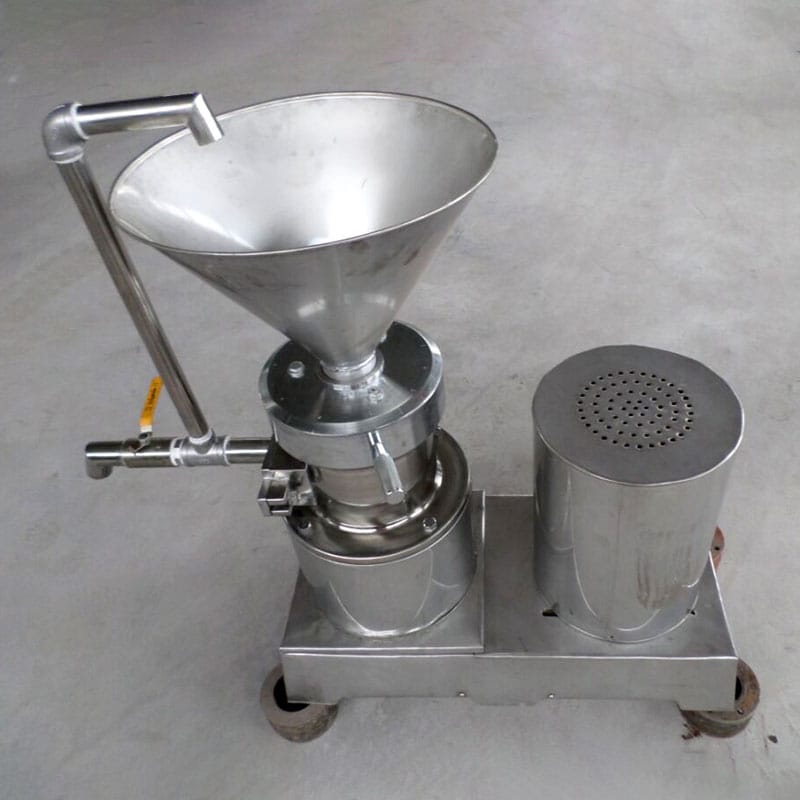
ผู้ผลิตที่เหมาะสมกลายเป็นมากกว่าซัพพลายเออร์พวกเขากลายเป็นหุ้นส่วนในความสําเร็จของคุณ.
การปรับขนาดการผลิตได้เร็วขึ้น: เมื่อความต้องการเติบโตขึ้นคุณต้องการอุปกรณ์อย่างรวดเร็ว ผู้ผลิตที่จัดตั้งขึ้นมีกําลังการผลิตและความสัมพันธ์ของห่วงโซ่อุปทานเพื่อส่งมอบในระยะเวลาอันสั้น พวกเขาเข้าใจกระบวนการของคุณและสามารถแนะนําเครื่องจักรที่เหมาะสมสําหรับการผลิตที่ขยายได้.
คุณภาพผลิตภัณฑ์ที่มั่นคง: ประสิทธิภาพของอุปกรณ์ที่สม่ําเสมอหมายถึงผลิตภัณฑ์ที่สอดคล้องกัน ลูกค้าของคุณได้รับชุดคุณภาพเดียวกันหลังจากชุดสร้างความภักดีต่อแบรนด์และชื่อเสียงของตลาด.
ลดการหยุดทํางาน: อุปกรณ์ที่มีคุณภาพล้มเหลวน้อยลง เมื่อจําเป็นต้องมีการบํารุงรักษาอะไหล่ที่พร้อมใช้งานและการสนับสนุนที่มีความรู้ช่วยลดการหยุดชะงักของการผลิต ผู้ผลิตบางรายเสนอโปรแกรมการวินิจฉัยระยะไกลและการบํารุงรักษาเชิงป้องกัน.
การควบคุมห่วงโซ่อุปทาน: ความสัมพันธ์โรงงานโดยตรงขจัดความไม่แน่นอนของคนกลาง คุณทราบแน่ชัดว่าใครเป็นผู้สร้างอุปกรณ์ของคุณมาจากอะไหล่และใครเป็นผู้อยู่เบื้องหลังการรับประกัน.
ROI ดีกว่า: การลงทุนเริ่มต้นที่สูงขึ้นในอุปกรณ์ที่มีคุณภาพจะจ่ายเงินปันผลผ่านต้นทุนการดําเนินงานที่ลดลงการพังทลายน้อยลงอายุการใช้งานที่ยาวนานขึ้นและคุณภาพของผลิตภัณฑ์ที่ดีขึ้น คํานวณต้นทุนรวมในการเป็นเจ้าของของคุณในช่วง 5-10 ปีและมูลค่าจะชัดเจน.
ในฐานะผู้ผลิตเองเราเข้าใจความท้าทายเหล่านี้ เราได้ทํางานร่วมกับผู้แปรรูปอาหาร บริษัท ยาและผู้ผลิตสารเคมีในตลาดโลก เครื่องจักรทุกเครื่องที่เราสร้างขึ้นสะท้อนให้เห็นถึงการปรับแต่งทางวิศวกรรมและข้อเสนอแนะของลูกค้าหลายทศวรรษ.
สรุป
การเลือกผู้ผลิตโรงสีคอลลอยด์เป็นการตัดสินใจเชิงกลยุทธ์ที่ส่งผลต่อความสามารถในการผลิต คุณภาพผลิตภัณฑ์ และต้นทุนการดําเนินงานของคุณในอีกหลายปีข้างหน้า ความแตกต่างระหว่างผู้ผลิตและซัพพลายเออร์การค้าไม่ได้เป็นเพียงราคาเท่านั้นเกี่ยวกับการควบคุม การปรับแต่ง การสนับสนุน และการเป็นหุ้นส่วน.
ประเมินผู้ผลิตตามความสามารถทางเทคนิค ระบบคุณภาพ และประสบการณ์ในอุตสาหกรรม มองให้ไกลกว่าต้นทุนเริ่มต้นไปจนถึงต้นทุนรวมในการเป็นเจ้าของ สร้างความสัมพันธ์กับซัพพลายเออร์ที่ลงทุนในความสําเร็จของคุณ.
เมื่อคุณต้องการวิศวกรรมความแม่นยําประสิทธิภาพที่เชื่อถือได้และการสนับสนุนอย่างต่อเนื่องให้เลือกผู้ผลิตที่เข้าใจอุตสาหกรรมของคุณและยืนอยู่หลังอุปกรณ์ สายการผลิตของคุณและลูกค้าของคุณขึ้นอยู่กับมัน.
พร้อมที่จะหารือเกี่ยวกับของคุณ คอลลอยด์มิลล์ ข้อกําหนด?ติดต่อทีมวิศวกรของเราเพื่อขอคําแนะนําเฉพาะแอปพลิเคชันและข้อกําหนดทางเทคนิคโดยละเอียด เราพร้อมช่วยคุณสร้างสายการผลิตที่ให้คุณภาพที่สม่ําเสมอและความได้เปรียบทางการแข่งขัน.
คำถามที่พบบ่อย
ถาม: อุตสาหกรรมใดที่ใช้เครื่องคอลลอยด์มิลล์?
ตอบ: โรงสีคอลลอยด์มีการใช้กันอย่างแพร่หลายในการแปรรูปอาหาร (เนยถั่ว ซอส นม) ยา (ขี้ผึ้ง สารแขวนลอย) เครื่องสําอาง (ครีม โลชั่น) สารเคมี (สี สารหล่อลื่น) และวัสดุก่อสร้าง (อิมัลชันยางมะตอย) แต่ละอุตสาหกรรมต้องการเกรดวัสดุเฉพาะและการออกแบบสุขาภิบาล.
ถาม: ฉันจะเลือกระหว่างโรงสีคอลลอยด์แนวตั้งและแนวนอนได้อย่างไร?
ตอบ: โรงสีคอลลอยด์แนวตั้งมีขนาดกะทัดรัดและประหยัดเหมาะสําหรับชุดเล็กและวัสดุที่มีความหนืดต่ํา รุ่นแนวนอนเหมาะกับการประมวลผลแบบอินไลน์อย่างต่อเนื่อง โรงสีคอลลอยด์แบบแยกส่วนมีความทนทานที่ดีที่สุดสําหรับการดําเนินงานทางอุตสาหกรรมที่มีความหนืดสูงและมีงานหนัก.
ถาม: ขนาดอนุภาคใดที่สามารถ คอลลอยด์มิลล์ บรรลุ?
ตอบ: โรงสีคอลลอยด์คุณภาพสูงสามารถลดขนาดอนุภาคลงเหลือ 1-5 ไมครอนทําให้เกิดอิมัลชันและสารแขวนลอยที่เสถียร ช่องว่างที่ปรับได้ระหว่างโรเตอร์และสเตเตอร์ช่วยให้สามารถควบคุมการกระจายขนาดอนุภาคขั้นสุดท้ายได้อย่างแม่นยํา.
ถาม: ผู้ผลิตและบริษัทการค้าแตกต่างกันอย่างไร?
ตอบ: ผู้ผลิตโรงสีคอลลอยด์ออกแบบและผลิตอุปกรณ์เสนอการปรับแต่งการสนับสนุนทางเทคนิคโดยตรงและการควบคุมคุณภาพ บริษัท การค้าที่มาจากโรงงานต่างๆโดยไม่มีการควบคุมดูแลการผลิต จํากัด ความสามารถในการปรับแต่งอุปกรณ์หรือแก้ไขปัญหาทางเทคนิค.
ถาม: ฉันควรมองหาใบรับรองอะไร?
ตอบ: สําหรับการใช้งานด้านอาหารและยาให้มองหาใบรับรอง CE (มาตรฐานความปลอดภัยของยุโรป) ISO 9001 (การจัดการคุณภาพ) และการปฏิบัติตาม GMP สําหรับอุปกรณ์ทางเภสัชกรรม ใบรับรองวัสดุสําหรับสแตนเลส 304 หรือ 316L ช่วยให้มั่นใจในคุณภาพเกรดอาหาร.