สารบัญ
บทนำ
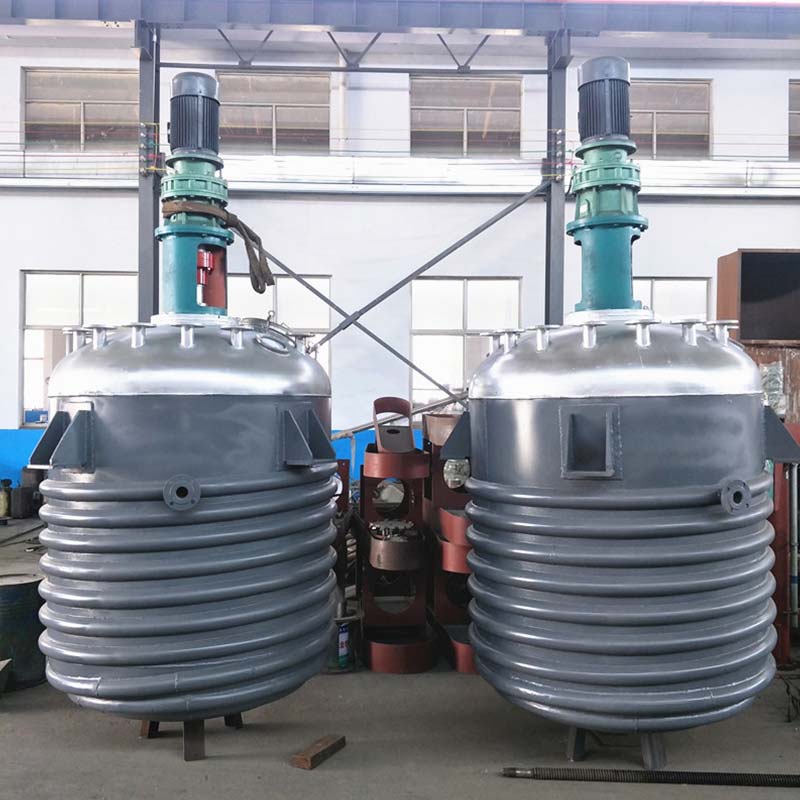
In the demanding landscape of industrial chemical processing, the choice of reactor equipment can make the difference between operational excellence and costly inefficiencies. A double limpet coil reactor represents the pinnacle of heat transfer technology, offering superior performance for complex chemical reactions that require precise temperature control.
These specialized reactors feature two independently wound limpet coils welded to the vessel exterior, creating an innovative heat exchange system that maintains consistent thermal conditions throughout the reaction process. The dual-coil design enables simultaneous heating and cooling or independent operation of each coil, providing flexibility that single-coil reactors simply cannot match.
The importance of double limpet coil reactors in industrial chemical processing cannot be overstated. From pharmaceutical synthesis to petrochemical production, these reactors deliver the precise thermal control necessary for maintaining product quality, ensuring reaction completeness, and optimizing yield. Their ability to handle exothermic and endothermic reactions with equal efficiency makes them indispensable across multiple industries.
Key advantages over traditional reactor types include exceptional heat transfer coefficients, reduced temperature gradients, and superior operational flexibility. The dual-coil configuration allows for rapid temperature changes, improved mixing efficiency, and enhanced safety through redundant temperature control systems.
เครื่องปฏิกรณ์คอยล์ Limpet สองตัวทํางานอย่างไร
Operating Principle
The operating principle of a double limpet coil reactor centers on its innovative heat exchange mechanism. Unlike conventional jacketed vessels that rely on a single heating/cooling medium, the double limpet coil system utilizes two separate fluid circuits that can operate independently or in tandem. Heat transfer fluids—including thermal oil, steam, or specialized coolants—circulate through these coils, transferring thermal energy to or from the reaction mixture through the vessel wall.
The limpet coil design maximizes surface area contact while minimizing fluid volume, resulting in rapid thermal response times and energy-efficient operation. During exothermic reactions, both coils can circulate cooling media to remove heat quickly, preventing thermal runaway. For endothermic processes, the coils can deliver heat precisely where and when it’s needed, maintaining optimal reaction kinetics.
Core Components and Structure
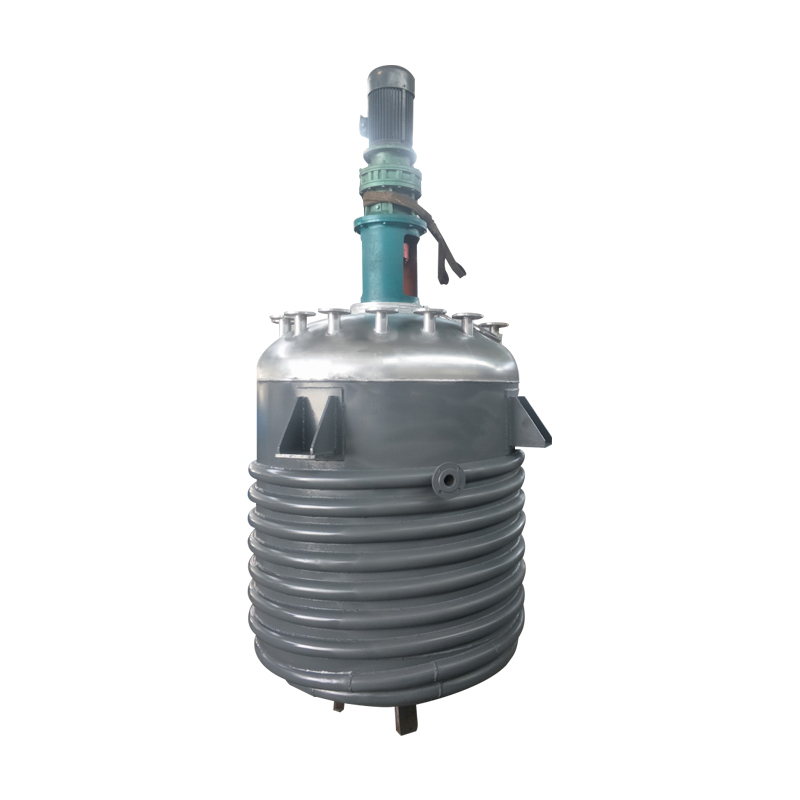
A typical double limpet coil reactor consists of several precision-engineered components working in harmony:
- Vessel Shell: Constructed from high-grade stainless steel or specialized alloys, designed to withstand process pressures and corrosive environments
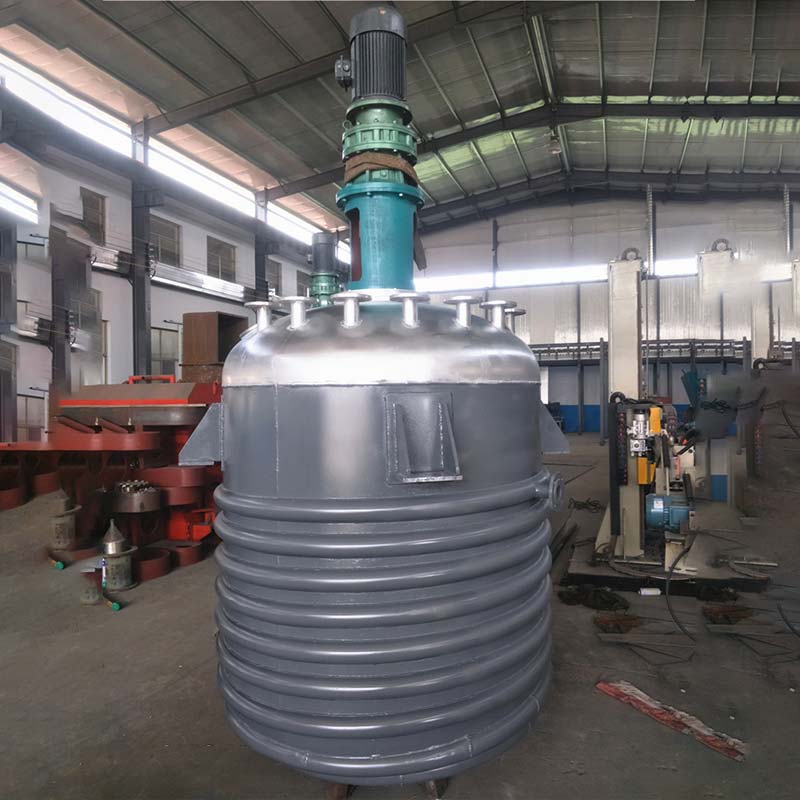
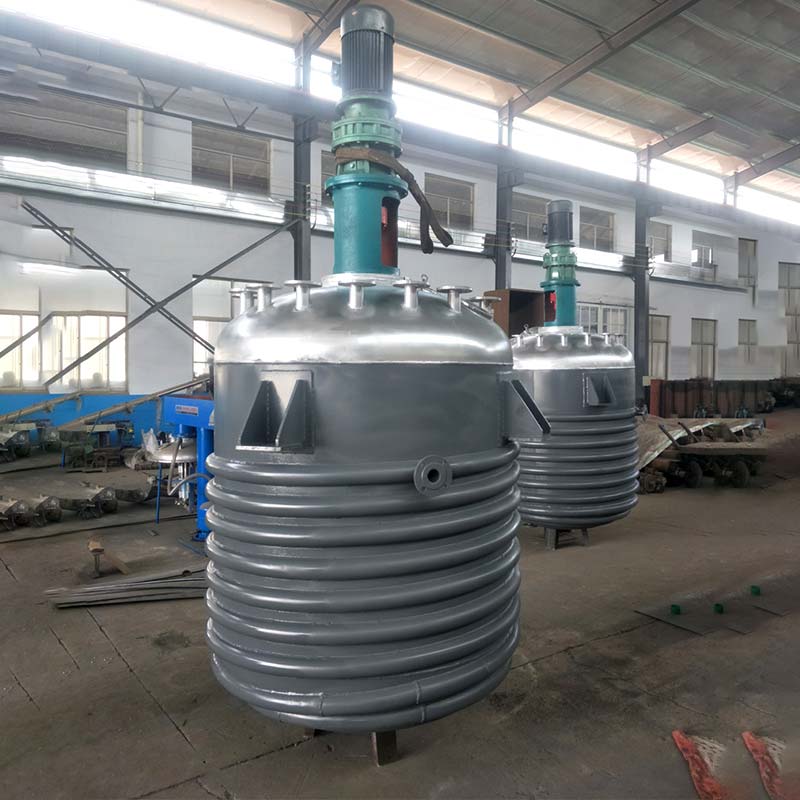
- Dual Limpet Coils: Half-pipe coils welded in a continuous spiral pattern around the vessel exterior, each with independent inlet/outlet connections
- Agitation System: Including impeller, shaft, and drive motor optimized for specific mixing requirements
- Support Structure: Heavy-duty framework designed for seismic compliance and operational stability
- Instrumentation Ports: Strategic openings for temperature sensors, pressure gauges, and sampling devices
- Nozzle Connections: For material charging, discharge, and auxiliary equipment attachment
The quality of welding between limpet coils and vessel shell is critical, as this junction determines heat transfer efficiency and structural integrity. Advanced manufacturing techniques ensure uniform contact and eliminate air gaps that could compromise performance.
Flow Patterns and Heat Transfer Efficiency
The flow dynamics within double limpet coil reactors contribute significantly to their superior heat transfer characteristics. Turbulent flow within the limpet coils enhances heat transfer coefficients, while the helical coil design promotes uniform temperature distribution across the vessel surface.
Unlike conventional jacketed reactors that may experience hot or cold spots, the double limpet coil system maintains consistent temperatures throughout the reaction mass. This uniformity is particularly crucial for temperature-sensitive processes where even minor deviations can affect product quality or yield.
The enhanced heat transfer efficiency translates to reduced energy consumption and faster cycle times. Operators can achieve desired temperature changes more quickly, increasing production capacity without additional equipment investment.
ข้อดีของเครื่องปฏิกรณ์แบบคอยล์แบบลิมเพตคู่แบบอุตสาหกรรม
Higher Thermal Efficiency
The primary advantage of double limpet coil reactors lies in their exceptional thermal performance. The dual-coil configuration provides up to 40% greater heat transfer efficiency compared to single-jacket systems, resulting in:
- Faster heating and cooling rates
- Reduced energy consumption per batch
- More precise temperature control
- Lower utility costs over the equipment lifecycle
The enhanced thermal efficiency stems from increased heat transfer surface area, optimized flow patterns within the coils, and reduced thermal resistance between process fluid and heating/cooling medium. This efficiency improvement becomes particularly valuable in energy-intensive processes or applications operating on tight margins.
Better Chemical Reaction Control
Chemical reaction control is fundamental to product quality and safety. Double limpet coil reactors excel in this area through:
- Independent Coil Operation: Each coil can circulate different temperature media, enabling precise thermal profiling throughout the reaction
- Rapid Response Times: Temperature changes are implemented quickly, allowing real-time adjustment to reaction conditions
- Redundant Safety Systems: Dual coils provide backup temperature control, reducing risk of thermal incidents
- Uniform Temperature Distribution: Elimination of hot spots ensures consistent reaction kinetics throughout the vessel
These control capabilities are especially valuable in pharmaceutical manufacturing where product consistency is critical, or in polymerization processes where temperature deviations can affect molecular weight distribution.
Reduced Energy Consumption
Energy efficiency represents both an environmental and economic imperative in modern industrial operations. Double limpet coil reactors contribute to sustainability goals through:
- Optimized heat transfer reducing required heating/cooling capacity
- Faster cycle times decreasing per-unit energy consumption
- Improved insulation properties of limpet coil design
- Lower pumping requirements due to efficient coil hydraulics
Facilities upgrading from conventional reactors to double limpet coil systems often report energy savings of 25-35%, with corresponding reductions in carbon footprint. These savings accumulate significantly over years of operation.
Long-term Reliability and Durability
Industrial equipment must withstand demanding operating conditions while maintaining performance over decades of service. Double limpet coil reactors deliver exceptional durability through:
- Robust construction using premium materials
- Stress-relieved welds eliminating fatigue points
- Corrosion-resistant alloys for aggressive chemical environments
- Minimal moving parts reducing maintenance requirements
Properly maintained double limpet coil reactors often exceed 20 years of service life, providing excellent return on investment and minimizing replacement costs.
การใช้งานเครื่องปฏิกรณ์คอยล์ Limpet คู่
Chemical and Pharmaceutical Industries
The pharmaceutical sector demands the highest standards of precision, cleanliness, and traceability—all areas where double limpet coil reactors excel. Typical applications include:
- API synthesis requiring precise temperature control
- Crystallization processes with specific cooling profiles
- Sterile manufacturing with stringent validation requirements
- High-purity reactions with contamination control needs
The chemical industry utilizes these reactors for:
- Specialty chemical production
- Polymer synthesis and modification
- Catalytic reactions with exothermic characteristics
- Multi-step synthesis requiring varied temperature profiles
Petrochemical and Refinery Operations
Petrochemical processing presents unique challenges including high pressures, corrosive media, and extreme temperatures. Double limpet coil reactors handle these conditions effectively in:
- Catalytic reforming processes
- Polymer production for plastics and synthetic materials
- Additive manufacturing for fuel and lubricant production
- Intermediate chemical synthesis
The ability to operate under varying pressure and temperature conditions while maintaining thermal control makes these reactors particularly valuable in refinery applications.
Research and Pilot-Scale Experiments
Research laboratories and pilot plants benefit from double limpet coil reactor flexibility:
- Process development and optimization studies
- Scale-up research from laboratory to production
- New product formulation testing
- Reaction kinetic studies under controlled conditions
The small footprint, precise control, and easy configuration of pilot-scale units make them ideal for research applications where rapid iteration and data accuracy are essential.
Large-Scale Industrial Manufacturing
Large-scale manufacturing environments require robust, reliable equipment that delivers consistent performance. Double limpet coil reactors support:
- Continuous production operations
- Batch processing with tight specifications
- Multi-product facilities requiring flexible equipment
- 24/7 operation with minimal downtime
The scalability of limpet coil technology allows manufacturers to increase capacity by adding larger vessels while maintaining consistent process characteristics.
เครื่องปฏิกรณ์แบบคอยล์ Limpet คู่กับเครื่องปฏิกรณ์ประเภทอื่น
Understanding the comparative advantages helps engineers select optimal equipment for specific applications. The table below summarizes key differences between reactor types:
| Feature | Double Limpet Coil | Single Coil Reactor | Conventional Jacketed | Tubular Reactor |
|---|---|---|---|---|
| Heat Transfer Efficiency | Excellent | Good | Moderate | Variable |
| Temperature Control Precision | High | Moderate | Low to Moderate | High |
| Energy Consumption | Low | Moderate | High | Variable |
| Flexibility | Excellent | Good | Limited | Low |
| Initial Cost | Moderate to High | Moderate | Low | Low to Moderate |
| Maintenance Requirements | Low | Low to Moderate | Moderate | High |
| Scalability | Excellent | Good | Moderate | Limited |
| Safety Features | Superior | Good | Basic | Variable |
Comparison with Single Coil Reactors
While single coil reactors offer improved performance over conventional jacketed vessels, they lack the flexibility and redundancy of double limpet coil systems. Key differences include:
- Temperature Flexibility: Single coils cannot simultaneously heat and cool different zones
- Backup Systems: Single point of failure in single coil designs
- Process Versatility: Limited to simpler thermal profiles
- Safety Margins: Reduced capacity for emergency heat removal
The incremental investment in double coil technology typically pays for itself through improved product quality, reduced energy costs, and enhanced operational flexibility.
Comparison with Conventional Tubular and Stirred Reactors
Conventional reactor types each serve specific purposes but lack the comprehensive advantages of double limpet coil designs:
- Tubular Reactors: Excellent for continuous flow but limited batch capabilities, poor mixing for viscous materials, and difficult temperature control
- Stirred Tank Reactors: Good mixing but poor heat transfer characteristics, requiring larger heat transfer areas for equivalent performance
- Conventional Jacketed Vessels: Simple design but inefficient heat transfer, significant temperature gradients, and limited thermal response speed
Double limpet coil reactors combine the best features of these designs while eliminating their limitations, resulting in versatile equipment suitable for diverse applications.
Pros and Cons for Specific Industrial Applications
The selection of reactor type depends on specific application requirements:
Double Limpet Coil Advantages:
- Superior temperature control for sensitive reactions
- Energy efficiency reducing operating costs
- Flexibility for multi-product facilities
- Enhanced safety through redundant systems
Considerations:
- Higher initial investment
- More complex maintenance requirements
- Requires skilled operators for optimal performance
Best Applications:
- High-value chemical products
- Temperature-sensitive processes
- Multi-step reactions with varying thermal requirements
- Facilities prioritizing energy efficiency
ตัวเลือกการออกแบบและการปรับแต่ง
Material Selection for Different Chemical Processes
Material selection critically impacts reactor performance and longevity. Available options include:
- Stainless Steel (304/316L) : Standard choice for most chemical applications offering good corrosion resistance and cleanability
- Hastelloy: For highly corrosive environments involving strong acids or chlorides
- Titanium: Excellent for processes involving chlorides or oxidizing agents
- Nickel Alloys: Specialized applications requiring specific corrosion resistance
- Clad Vessels: Cost-effective option combining carbon steel structural strength with corrosion-resistant interior surfaces
Material selection considers chemical compatibility, temperature and pressure requirements, cleaning protocols, and regulatory compliance specifications. Consulting with experienced engineers ensures optimal material choices for specific applications.
Size and Capacity Considerations
Double limpet coil reactors are available in capacities ranging from laboratory-scale units under 100 liters to industrial vessels exceeding 50,000 liters. Key considerations include:
- Batch Size Requirements: Typical production volume per batch and total daily capacity needs
- Space Constraints: Available facility space and access requirements for installation and maintenance
- Future Expansion: Growth projections requiring additional capacity or flexibility
- Utility Capacity: Available heating and cooling media capacity matching reactor requirements
Proper sizing ensures efficient operation without over-investment in excess capacity or bottlenecks from undersized equipment.
Options for Industrial Automation and Monitoring
Modern double limpet coil reactors incorporate advanced automation and monitoring capabilities:
- PLC-Based Control Systems: Automated temperature, pressure, and agitation control
- SCADA Integration: Real-time monitoring and data logging for quality assurance
- Remote Monitoring: Off-site access to process parameters for operational oversight
- Safety Interlocks: Automatic shutdown systems responding to abnormal conditions
- Recipe Management: Pre-programmed process parameters for different products
Automation improves consistency, reduces operator error, and provides valuable data for process optimization and regulatory compliance.
Custom Designs for Specific Production Needs
Every production environment presents unique challenges requiring customized solutions. Options include:
- Specialized Coil Configurations: Optimized coil spacing and diameter for specific heat transfer requirements
- Custom Agitation Systems: Impeller designs optimized for specific mixing challenges
- Integrated Heating/Cooling Systems: Package solutions including utility equipment
- Clean-in-Place (CIP) Systems: Automated cleaning configurations meeting hygienic requirements
- Sanitary Design: Pharmaceutical and food-grade finishes meeting regulatory standards
Experienced manufacturers collaborate closely with process engineers to develop customized solutions addressing specific production challenges while maintaining equipment reliability and performance.
คำแนะนำการบำรุงรักษาและการแก้ไขปัญหา
Routine Inspection Guidelines
Preventive maintenance maximizes equipment reliability and extends service life. Recommended inspection protocols include:
- Daily: Visual inspection for leaks, unusual noises, or abnormal operation
- Weekly: Verification of temperature and pressure calibration, inspection of bolted connections
- Monthly: Detailed inspection of coil connections, valve operation, and instrumentation
- Quarterly: Non-destructive testing of critical welds, insulation inspection
- Annually: Comprehensive inspection including internal examination where accessible
Documentation of inspections creates maintenance history useful for predictive maintenance and warranty verification.
Cleaning and Corrosion Prevention
Proper cleaning procedures prevent product contamination and equipment degradation:
- Chemical Compatibility: Ensure cleaning agents are compatible with reactor materials
- Temperature Limits: Follow manufacturer recommendations for cleaning temperatures
- Mechanical Cleaning: Use appropriate methods avoiding surface damage
- Passivation: Regular passivation of stainless steel surfaces maintains corrosion resistance
- Dry Storage: Proper drying prevents corrosion during idle periods
Established cleaning protocols documented in Standard Operating Procedures (SOPs) ensure consistent execution and regulatory compliance.
Common Operational Issues and Solutions
Understanding common issues enables rapid resolution minimizing production disruptions:
Temperature Deviations:
- Cause: Fouling of coils, inadequate flow, control system malfunction
- Solution: Clean coils, verify pump operation, calibrate sensors
Pressure Issues:
- Cause: Blockages, valve malfunction, gas accumulation
- Solution: Clear obstructions, service valves, verify venting
Agitation Problems:
- Cause: Mechanical failure, excessive viscosity, improper impeller selection
- Solution: Service drive unit, adjust operating parameters, evaluate impeller design
Leaks:
- Cause: Gasket failure, corrosion, mechanical damage
- Solution: Replace gaskets, inspect for corrosion, repair damaged areas
Rapid response to operational issues prevents minor problems from escalating into major equipment failures.
Safety Precautions for Operators
Safety remains paramount in chemical processing operations. Essential precautions include:
- Pressure Relief: Never operate with safety relief devices disabled or modified
- Temperature Limits: Respect design temperature limits to prevent material failure
- Chemical Exposure: Use appropriate PPE when handling hazardous materials
- Lockout/Tagout: Follow established procedures during maintenance activities
- Emergency Procedures: Ensure all operators are trained in emergency response protocols
Regular safety training and drills reinforce proper procedures and ensure rapid response to emergency situations.
การเลือกเครื่องปฏิกรณ์แบบขดลวดแบบลิมเพตคู่แบบอุตสาหกรรมที่เหมาะสม
Evaluating Production Capacity Requirements
Selecting appropriate reactor capacity requires comprehensive analysis:
- Current Production Volume: Analyze existing production requirements including batch size and frequency
- Growth Projections: Consider future expansion plans and market growth forecasts
- Product Mix: Evaluate whether multiple products require different reactor configurations
- Operational Efficiency: Factor in cycle times and production schedules
Capacity analysis should consider both immediate needs and long-term strategic objectives, avoiding both under-capacity bottlenecks and over-investment in excess capacity.
Selecting Reputable Manufacturers
Equipment quality and manufacturer support significantly impact long-term success. Key selection criteria include:
- Industry Experience: Established track record in similar applications
- Technical Capabilities: Engineering expertise and manufacturing capabilities
- Quality Systems: Certifications and quality control processes
- การสนับสนุนหลังการขาย: Service capabilities, spare parts availability, and technical support
- Customer References: Proven installations in similar applications
Investing time in manufacturer selection ensures equipment meets specifications and provides reliable long-term operation.
Understanding Cost vs. Performance Trade-offs
Equipment selection involves balancing multiple factors:
Initial Investment: Higher-quality equipment may command premium pricing but delivers superior performance and longevity
Operating Costs: Energy efficiency, maintenance requirements, and consumables vary significantly between designs
Lifecycle Costs: Total cost of ownership including energy, maintenance, downtime, and replacement
Performance Impact: Superior equipment quality typically improves product quality, yield, and consistency
Comprehensive lifecycle cost analysis provides objective comparison of alternatives beyond simple purchase price.
Integration with Existing Industrial Systems
Successful implementation requires seamless integration with existing infrastructure:
- Utility Connections: Compatibility with existing heating, cooling, and utility systems
- Control Systems: Integration with facility control architecture and data systems
- Space Requirements: Physical fit within available facility space
- Regulatory Compliance: Meeting industry-specific regulations and standards
- Operator Training: Ensuring operators are properly trained on new equipment
Detailed planning and coordination with facility engineers ensures smooth integration minimizing production disruption during installation.
Future Trends in Double Limpet Coil Reactor Technology
Advances in Energy Efficiency
Continued focus on sustainability drives innovations in energy efficiency:
- Enhanced Insulation Systems: Advanced materials minimizing heat loss
- Heat Recovery Integration: Capturing waste heat for reuse in other processes
- Variable Speed Drives: Optimizing energy consumption based on process requirements
- Smart Control Algorithms: AI-driven optimization reducing energy waste
These advances further improve the environmental profile of chemical processing operations while reducing operating costs.
Integration with Smart Monitoring Systems
Industry 4.0 technologies transform reactor monitoring and control:
- IoT Sensors: Comprehensive real-time monitoring of process parameters
- Predictive Analytics: Anticipating maintenance needs before failures occur
- Digital Twins: Virtual replicas enabling process optimization and troubleshooting
- Augmented Reality: Enhanced maintenance support through interactive guidance
Smart monitoring systems improve reliability, reduce downtime, and optimize process performance through data-driven decision making.
Eco-Friendly Materials and Sustainable Design
Environmental considerations drive material and design innovations:
- Green Materials: Development of alloys with reduced environmental impact
- Recyclable Components: Design for end-of-life recycling and material recovery
- Reduced Footprint: Compact designs minimizing material usage and space requirements
- Clean Manufacturing: Production processes reducing environmental impact
Sustainable design principles align with corporate environmental commitments and regulatory requirements.
Innovations in Reactor Scalability
Scalability improvements enable efficient transition from development to production:
- Modular Designs: Standardized modules enabling flexible capacity expansion
- Scale-Down Models: Laboratory reactors maintaining characteristics of production equipment
- Flexible Configurations: Adjustable designs accommodating varied process requirements
- Rapid Deployment: Standardized designs reducing installation and commissioning time
Enhanced scalability reduces development timelines and enables more efficient commercialization of new products.
สรุป
Industrial double limpet coil reactors represent the optimal choice for demanding chemical processing applications requiring precise temperature control, superior heat transfer efficiency, and operational flexibility. Their unique design advantages deliver significant benefits across multiple metrics:
- Enhanced Product Quality: Precise temperature control ensures consistent reaction outcomes
- Operational Efficiency: Energy efficiency reduces operating costs and environmental impact
- Process Flexibility: Dual-coil design accommodates varied thermal profiles and changing production requirements
- Investment Protection: Exceptional durability provides long-term reliability and excellent return on investment
The importance of selecting appropriate equipment cannot be overstated in competitive industrial environments where product quality, operational efficiency, and cost control determine market success. Double limpet coil reactors deliver the performance necessary to maintain competitive advantages while positioning facilities for future growth and innovation.
Making informed equipment decisions requires collaboration between process engineers, equipment manufacturers, and facility management teams. Experienced manufacturers provide valuable insights into optimal configurations, material selections, and integration strategies ensuring equipment delivers expected performance over its operational lifetime.
For organizations seeking to optimize their chemical processing capabilities, consultation with experienced double limpet coil reactor manufacturers provides access to engineering expertise, proven designs, and ongoing support essential for maximizing equipment value and achieving operational excellence.
Investment in quality double limpet coil reactor technology represents not merely equipment acquisition but strategic positioning for sustainable competitive advantage in demanding chemical processing markets.
คำถามที่พบบ่อย
Q: What is a double limpet coil reactor?
A: A double limpet coil reactor is an industrial vessel featuring two independently welded half-pipe coils on the exterior surface, designed for superior heat transfer efficiency in chemical processing. This dual-coil system enables precise temperature control by allowing simultaneous or independent operation of heating and cooling circuits.
Q: What are the main advantages of double limpet coil reactors over single jacketed vessels?
A: Double limpet coil reactors offer up to 40% better heat transfer efficiency, faster thermal response times, and enhanced temperature control precision. The dual-coil design provides operational flexibility for complex reaction profiles and improved safety through redundant temperature control systems.
Q: Which industries commonly use double limpet coil reactors?
A: These reactors are extensively used in pharmaceutical manufacturing, specialty chemical production, petrochemical processing, polymer synthesis, and research laboratories. They’re particularly valuable for temperature-sensitive processes requiring precise thermal management.
Q: How does a double limpet coil reactor improve energy efficiency?
A: The enhanced heat transfer surface area and optimized flow patterns reduce energy consumption by 25-35% compared to conventional jacketed reactors. Faster cycle times and reduced heating/cooling requirements contribute significantly to lower operating costs.
Q: What maintenance is required for double limpet coil reactors?
A: Regular maintenance includes daily visual inspections, weekly calibration verification, monthly connection checks, and comprehensive annual inspections. Proper cleaning procedures and preventive maintenance ensure optimal performance and extend equipment lifespan beyond 20 years.