Table of Contents
Introduction
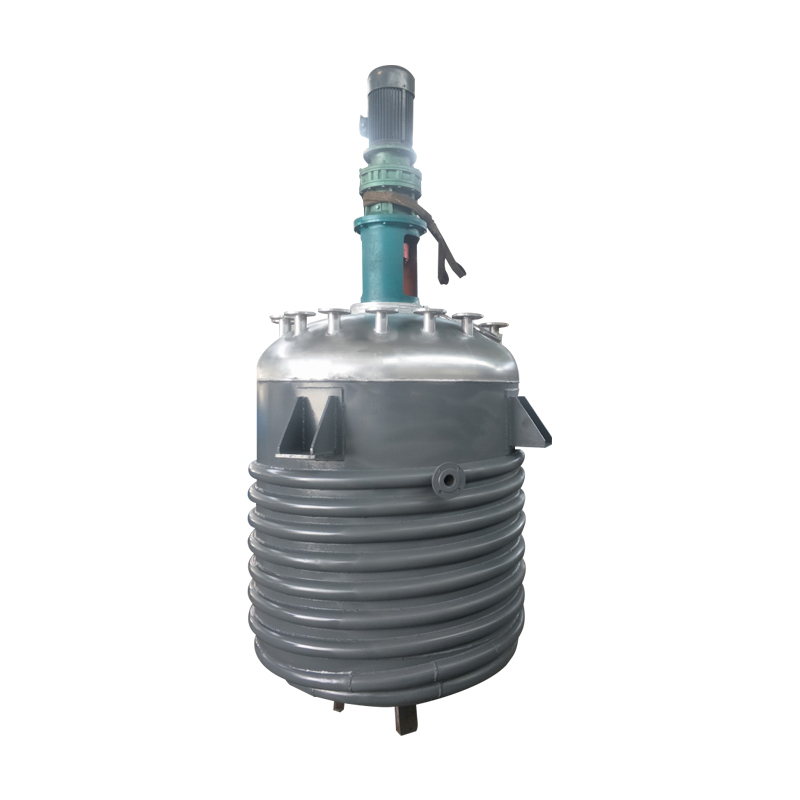
Coil reactors have become an essential piece of equipment in modern chemical and pharmaceutical industries. As a manufacturer of high-quality coil reactors, we specialize in designing and producing units that meet both industrial and laboratory standards. These reactors are highly efficient, compact, and ideal for processes that require precise temperature and pressure control. Understanding the basics of coil reactors is crucial for engineers and scientists looking to optimize their production processes.
How Coil Reactors Work
A coil reactor operates by circulating reactants through a coiled tube, allowing for controlled chemical reactions. The design ensures uniform heating and efficient mixing, which leads to faster reaction rates and consistent product quality. Unlike traditional batch reactors, coil reactors provide continuous processing, reducing downtime and increasing productivity.
Comparison with Batch Reactors
| Feature | Coil Reactor | Batch Reactor |
|---|---|---|
| Processing Mode | Continuous | Batch |
| Reaction Control | Precise temperature and flow | Limited control |
| Space Requirement | Compact | Larger footprint |
| Product Consistency | High | Variable |
| Maintenance | Requires regular cleaning | Simpler but less frequent |
This table highlights why industrial coil reactors are increasingly preferred in both chemical production and laboratory research.
Key Advantages of Industrial Coil Reactors
Coil reactors offer several significant advantages over conventional reactors:
- High Efficiency: Continuous flow enables faster reaction times and reduced energy consumption.
- Precise Control: Temperature and pressure can be adjusted accurately, ensuring consistent results.
- Space-Saving Design: Their compact footprint makes them ideal for facilities with limited space.
- Safety and Automation: Modern coil reactors include safety features such as automatic shutoff and monitoring systems, reducing risk during high-pressure or high-temperature operations.
Applications of Coil Reactors
Coil reactors are versatile and can be used across multiple industries:
- Laboratory and Research Applications: Ideal for small-scale synthesis and experimental procedures.
- Chemical Industry: Efficiently produces fine chemicals, polymers, and specialty compounds.
- Pharmaceutical Manufacturing: Used in drug development and high-purity compound production.
- Food and Beverage Industry: Suitable for creating flavor compounds and additives.
- Other Industrial Uses: Can be applied in any process requiring controlled chemical reactions in a continuous flow system.
Design Considerations for Coil Reactors
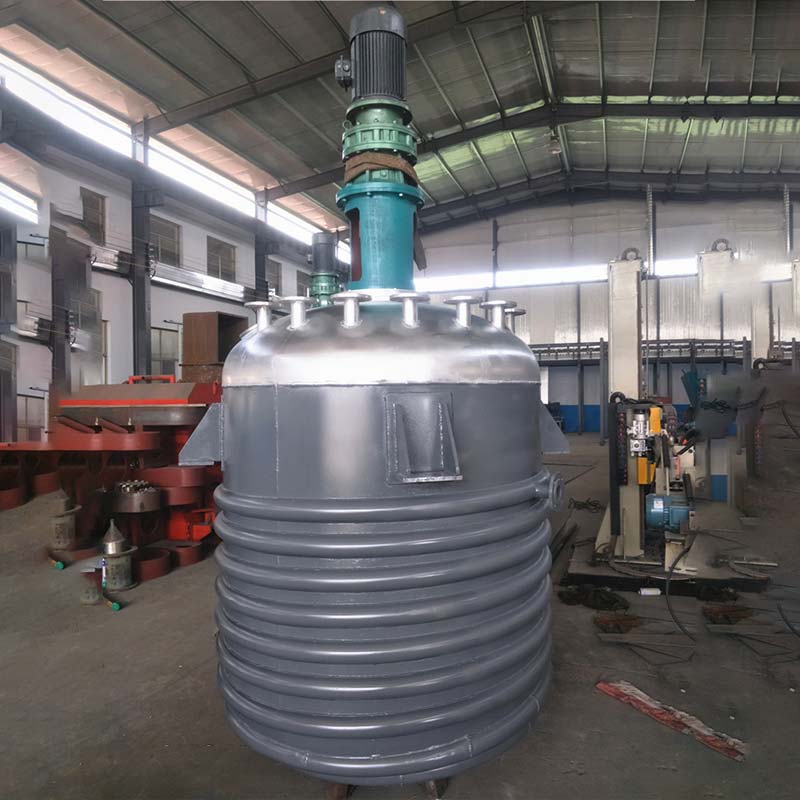
When designing or selecting a coil reactor, several key factors must be considered:
- Material Selection: Stainless steel, PTFE, and other materials are chosen based on chemical compatibility and operating conditions.
- Coil Geometry: The diameter, length, and number of turns affect reaction efficiency and heat transfer.
- Temperature and Pressure Ratings: Reactors must be designed to withstand the maximum operational conditions.
- Customization: Manufacturers often provide tailored solutions for specific industrial or laboratory needs.
Maintenance and Troubleshooting of Coil Reactors
Proper maintenance is critical to ensure long-term performance. Key steps include:
- Regular Cleaning: Prevent buildup of residues that can affect reaction efficiency.
- Inspection of Connections and Seals: Avoid leaks and pressure drops.
- Troubleshooting Common Issues: Flow inconsistencies, temperature deviations, or pressure drops can often be resolved by checking pump performance and heat exchange systems.
- Safety Checks: Ensure automatic shutoff mechanisms and alarms are functioning correctly.
Following these maintenance practices prolongs the lifespan of your coil reactor and ensures consistent production quality.
How to Choose the Right Coil Reactor
Selecting the right coil reactor depends on your production needs:
- Production Scale: Small laboratory reactors versus large industrial units.
- Performance Requirements: Flow rate, temperature range, and reaction time considerations.
- Material Compatibility: Ensure reactor materials are suitable for the chemicals being processed.
- Budget and Manufacturer Support: Working with a reliable manufacturer guarantees technical support, spare parts, and customization options.
A professional manufacturer can guide you in choosing a reactor that maximizes efficiency and meets your operational goals.
Comparison with Other Reactor Types
Coil reactors are often compared with other reactor designs, such as tubular and batch reactors:
- Coil Reactor vs Tubular Reactor: Coil reactors offer better mixing and heat transfer in compact spaces.
- Coil Reactor vs Batch Reactor: Continuous processing allows for higher productivity and consistent product quality.
- Material and Performance Differences: Selecting the correct reactor type depends on reaction conditions, throughput, and chemical compatibility.
By understanding these differences, engineers can select the reactor type that best aligns with their process requirements.
Future Trends and Innovations in Coil Reactors
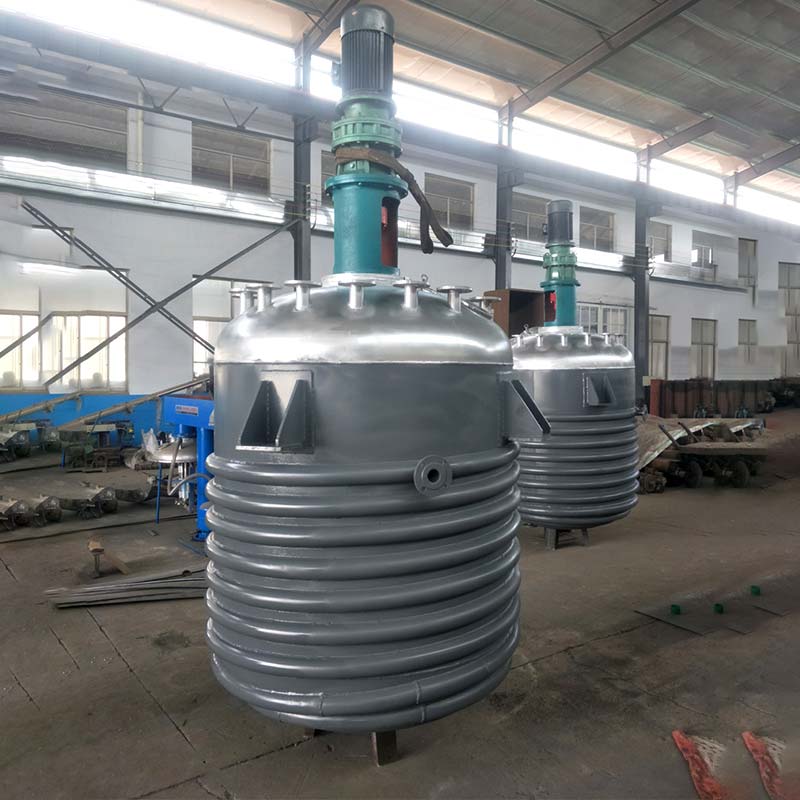
The industry is evolving rapidly, and several trends are shaping the future of coil reactors:
- High-Pressure and High-Temperature Designs: New materials allow reactors to operate under more extreme conditions.
- Automation and Smart Control: Real-time monitoring and automated adjustments improve safety and efficiency.
- Sustainable Materials and Energy Efficiency: Manufacturers are focusing on eco-friendly processes and energy-saving designs.
- Expansion into New Industrial Applications: The versatility of coil reactors allows adoption in emerging fields, including green chemistry and advanced pharmaceuticals.
Conclusion
Coil reactors represent a powerful solution for chemical processing, offering unmatched efficiency, precise control, and versatility across industries. As a manufacturer, we are committed to producing high-quality coil reactors tailored to both laboratory and industrial applications. Whether you are exploring new production methods or upgrading existing systems, understanding coil reactor design, maintenance, and applications is key to maximizing productivity and safety. Choosing the right coil reactor can transform your operations, delivering consistent results and long-term reliability.
FAQ
Q1: What is a coil reactor and how does it work?
A: A coil reactor is a continuous-flow reactor where reactants circulate through a coiled tube. This design ensures uniform heating, efficient mixing, and precise control of temperature and pressure, making it ideal for industrial and laboratory applications.
Q2: What are the main advantages of using a coil reactor?
A: Coil reactors offer high efficiency, consistent product quality, compact design, precise temperature control, and enhanced safety features compared to traditional batch reactors.
Q3: How does a coil reactor differ from a batch reactor?
A: Unlike batch reactors, which process materials in discrete steps, coil reactors provide continuous processing. This leads to faster reaction times, improved consistency, and reduced energy consumption.
Q4: What industries commonly use coil reactors?
A: Coil reactors are widely used in chemical production, pharmaceuticals, food additives, fine chemicals, and research laboratories due to their versatility and precise control over reactions.
Q5: How should I maintain a coil reactor for optimal performance?
A: Regular cleaning, inspection of seals and connections, monitoring flow and temperature, and following manufacturer-recommended safety checks are key to extending the reactor’s lifespan and ensuring consistent operation.