Table of Contents
Introduction
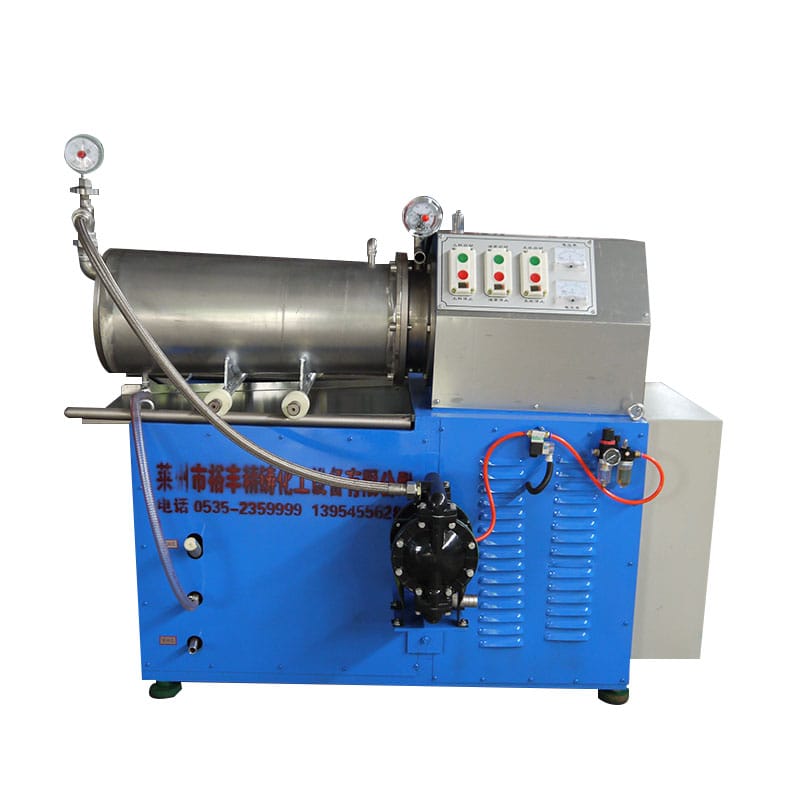
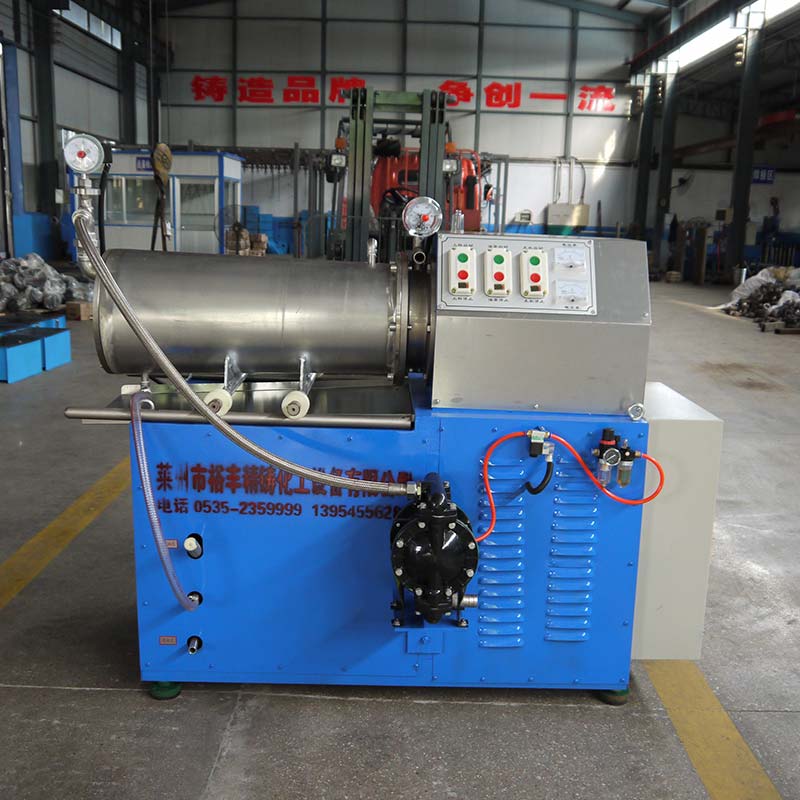
Ultrafine sand mills are core equipment in modern wet grinding systems, widely used in chemical processing industries where precise particle size reduction is required. They are designed to disperse, grind, and refine solid particles into micron or sub-micron levels within liquid media, ensuring stable and high-performance formulations.
In chemical manufacturing, consistency and dispersion quality directly affect final product performance. Whether in coatings, pigments, resins, or specialty chemicals, ultrafine sand mills provide a controlled and efficient grinding environment that improves product uniformity and stability.
Working Principle of Ultrafine Sand Mills in Chemical Processing
Ultrafine sand mills operate based on high-speed rotor-stator systems combined with grinding media (commonly zirconia beads or ceramic beads). When the rotor rotates at high speed, it generates strong shear force, collision energy, and friction between particles.
This process enables:
- Efficient particle size reduction
- Uniform dispersion of solid-liquid mixtures
- Stable nano and micro-scale grinding output
The closed-loop structure also prevents contamination and ensures controlled temperature during continuous operation, which is critical for chemical stability.
Key Advantages in Chemical Manufacturing Processes
Ultrafine sand mills offer significant performance improvements in chemical production environments.
- Higher dispersion efficiency improves reaction surface area
- Shorter processing time increases production capacity
- Stable particle distribution enhances product consistency
- Reduced energy consumption compared to traditional grinding systems
- Improved batch-to-batch uniformity in large-scale manufacturing
These advantages make ultrafine sand mills an essential part of modern chemical processing lines.
Applications in Industrial Chemical Processing Systems
Ultrafine sand mills are widely applied across multiple chemical sectors where fine particle control is required.
Typical applications include:
- Resin and polymer dispersion systems
- Industrial coating production
- Pigment grinding and color formulation
- Specialty chemical emulsions
- Functional material processing
Their ability to maintain stable particle size distribution makes them suitable for high-demand industrial environments.
Ultrafine Sand Mill for Pigment and Dispersion Systems
In pigment-related chemical production, particle uniformity is critical for color strength, gloss, and stability.
Ultrafine sand mills help to:
- Eliminate agglomeration in pigment slurry
- Improve color consistency and brightness
- Achieve fine and uniform dispersion
- Enhance coating film performance
This is especially important in industries such as automotive coatings, inks, and decorative paints.
Material Compatibility in Chemical Grinding Applications
Different chemical materials require different grinding conditions to ensure stability and prevent contamination.
Key considerations include:
- Organic chemical compatibility for resin systems
- Inorganic slurry stability for pigment processing
- Corrosion-resistant chamber materials for acidic or alkaline environments
- Appropriate grinding bead selection for purity and efficiency
- Viscosity control for stable flow performance
Common Material Matching Table
| Chemical Type | Application Example | Recommended Grinding Media | Key Requirement |
|---|---|---|---|
| Organic chemicals | Resin, coatings | Zirconia beads | Low contamination |
| Inorganic pigments | Titanium dioxide slurry | Ceramic beads | High hardness grinding |
| Specialty emulsions | Cosmetics, additives | Glass beads | Fine dispersion stability |
| Functional materials | Nanoparticles, graphene | High-density zirconia | Nano-level particle control |
Technical Parameters Affecting Grinding Performance
Grinding efficiency in ultrafine sand mills depends on several controllable operational parameters.
- Rotor speed determines shear intensity and grinding force
- Grinding media size affects final particle fineness
- Flow rate controls residence time inside the chamber
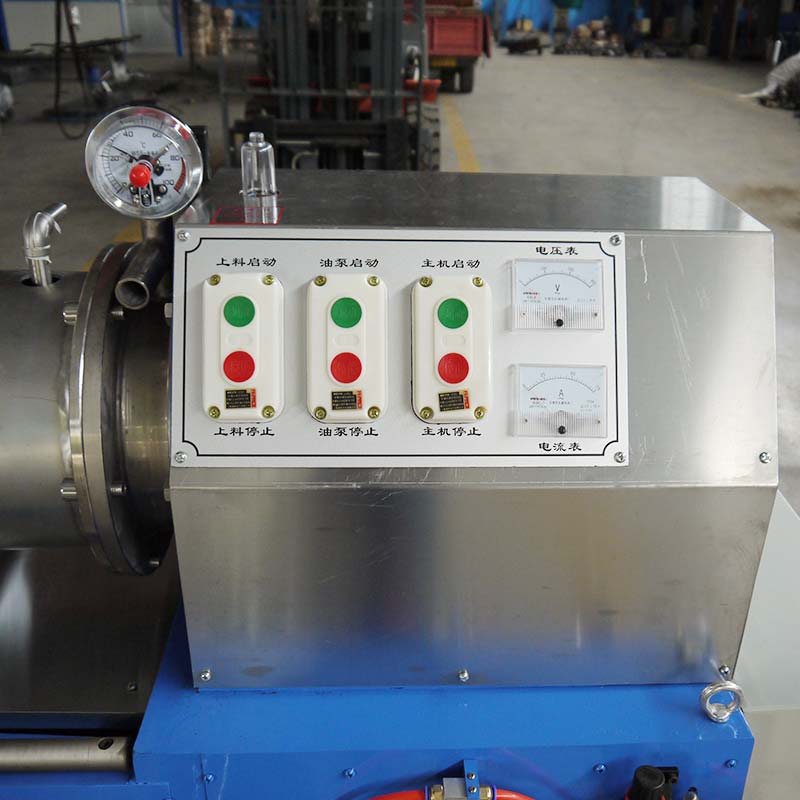
- Temperature management prevents material degradation
- Pressure stability ensures consistent discharge performance
Optimizing these parameters is essential for achieving high-quality chemical processing results.
How Manufacturers Ensure High-Performance Ultrafine Sand Mills
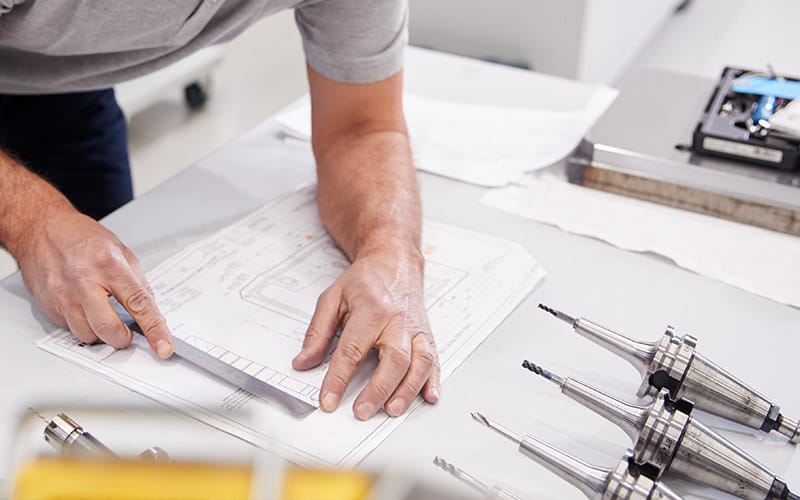
As a direct manufacturer of ultrafine sand mills, engineering precision and production control are critical to ensuring long-term equipment reliability.
Key manufacturing factors include:
- Precision machining of rotor and grinding chamber components
- Strict assembly standards to ensure mechanical stability
- Dynamic balance testing to reduce vibration and wear
- Material selection for corrosion and abrasion resistance
- Factory testing before delivery to ensure performance consistency
OEM customization is also widely used to meet specific chemical processing requirements, including flow rate adjustment, material upgrades, and automation integration.
Maintenance and Operational Optimization in Chemical Plants
To maintain stable performance in continuous chemical production, proper maintenance is essential.
Recommended practices include:
- Regular inspection of seals and bearings
- Cleaning of grinding chamber after production cycles
- Monitoring wear of grinding media
- Checking rotor alignment and vibration levels
- Scheduled replacement of key consumable parts
Proper maintenance not only extends equipment lifespan but also ensures consistent product quality.
Industry Trends in Ultrafine Grinding Technology
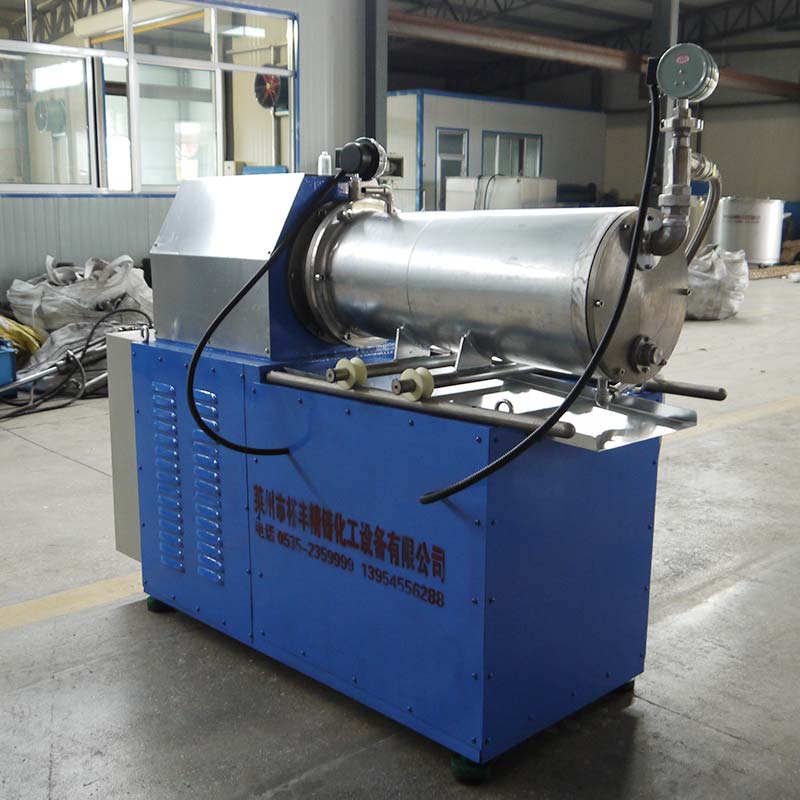
Ultrafine sand mill technology continues to evolve with advancements in automation and material science.
Key industry trends include:
- Integration of intelligent control systems for real-time monitoring
- Development of energy-efficient grinding systems
- Increased adoption of nano-scale dispersion technology
- Improved wear-resistant materials for longer service life
- Automation integration in continuous chemical production lines
These innovations are driving higher efficiency and more stable performance in modern chemical manufacturing.
Conclusion
Ultrafine sand mills play a vital role in chemical processing industries where precision, stability, and efficiency are critical. From pigment dispersion to advanced material processing, these machines ensure consistent particle size reduction and improved product performance.
As a manufacturer of ultrafine sand mills, continuous improvement in engineering design, material selection, and production technology is essential to meet the growing demands of global chemical industries. Selecting the right equipment configuration and maintaining proper operational practices can significantly enhance production efficiency and product quality in industrial chemical applications.
FAQ
What is an ultrafine sand mill used for in chemical processing?
It is used for wet grinding and dispersion of chemical materials such as pigments, resins, coatings, and specialty chemicals to achieve micron or nano-level particle size.
How does an ultrafine sand mill improve product quality?
It enhances particle uniformity, improves dispersion stability, and increases surface area, which results in better color strength, consistency, and chemical performance.
What materials can be processed in an ultrafine sand mill?
It can process a wide range of materials including organic resins, inorganic pigments, coatings, emulsions, and functional nano-materials.
What is the difference between an ultrafine sand mill and a bead mill?
An ultrafine sand mill is optimized for finer grinding and higher dispersion efficiency, often achieving smaller particle sizes and more stable output compared to standard bead mills.
How to choose a reliable ultrafine sand mill manufacturer?
You should evaluate manufacturing capability, material quality, customization options, after-sales support, and whether the supplier provides factory-direct production and testing standards.