Choosing a chemical equipment manufacturer is not only about buying a machine. For factories that handle powders, liquids, pastes, resins, adhesives, coatings, food ingredients, chemical additives, or high-viscosity materials, the right equipment affects production stability, batch consistency, safety, maintenance workload, and long-term operating efficiency.
Many buyers start with a simple question: “Which reactor, mixer, mill, or kneader should I use?” But the better question is: “Can this manufacturer understand my material, process conditions, production target, and future expansion needs?”
That is where a capable chemical equipment manufacturer becomes valuable. Instead of offering one standard model for every project, the manufacturer should help evaluate material properties, working temperature, pressure, viscosity, capacity, mixing target, discharge method, heating method, cleaning requirements, and installation conditions.
Yufeng provides industrial chemical equipment and hydraulic equipment for applications involving reaction, mixing, dispersion, grinding, kneading, material handling, and plastic processing. Buyers can explore the full chemical equipment product range or submit process requirements through the contact page for a more suitable configuration.
Table of Contents
Start With the Process, Not the Machine Name
One common mistake in equipment procurement is choosing a machine by product name alone. For example, two buyers may both ask for a reactor, but one may need uniform heating for resin production while another may need corrosion-resistant material contact parts for chemical processing. The same logic applies to mixers, mills, kneaders, and dispersers.
Before selecting equipment, clarify the process goal:
| Process Goal | Equipment Direction | Key Selection Factors |
|---|---|---|
| Chemical reaction with heating | Reactor | Volume, heating method, pressure, material compatibility |
| Liquid-solid dispersion | High speed disperser | Impeller speed, lifting stroke, material viscosity |
| Fine grinding or emulsifying | Colloid mill or sand mill | Fineness target, throughput, cooling, wear resistance |
| High-viscosity mixing | Kneader | Blade structure, heating method, discharge method |
| Powder blending | Ribbon mixer or conical mixer | Batch size, uniformity, powder flowability |
| Hot melt pelletizing | Underwater pelletizer | Melt stability, die head, cooling, cutting system |
A good chemical equipment manufacturer should ask process questions before recommending a model. If the recommendation is made without understanding material properties and production conditions, the risk of poor matching increases.
Match Equipment to Material Behavior
Material behavior is one of the most important factors in chemical equipment selection. A liquid coating, a sticky adhesive, a dry powder blend, and a high-viscosity rubber compound all behave differently inside processing equipment.
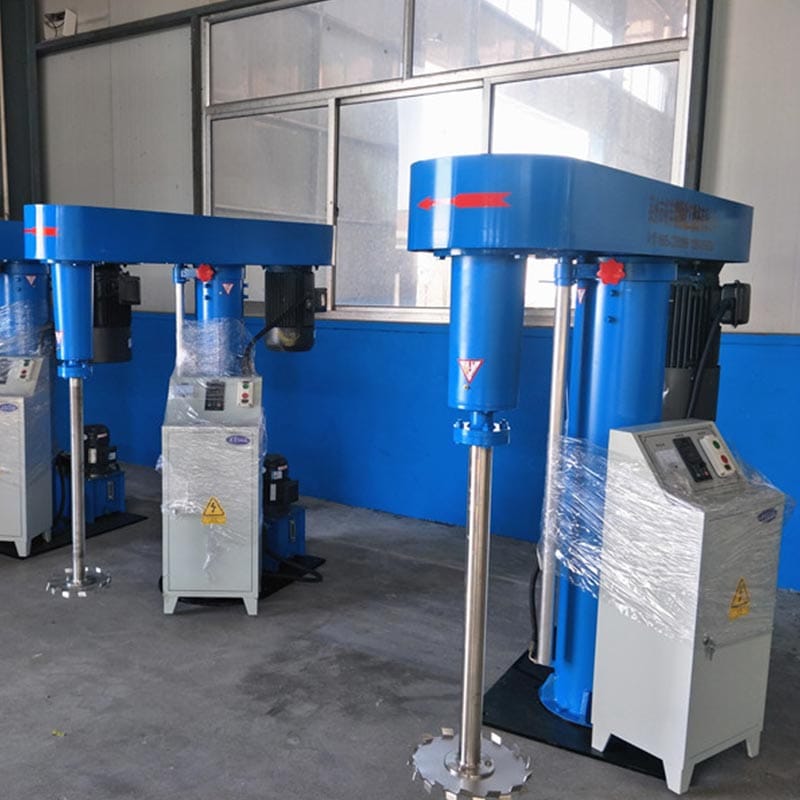
For low-to-medium viscosity liquid materials, a high speed disperser may be suitable when the process requires stirring, dissolving, blending, and dispersion. For pastes or highly viscous materials, an electrically heated kneader can provide stronger kneading action and more suitable material turnover.
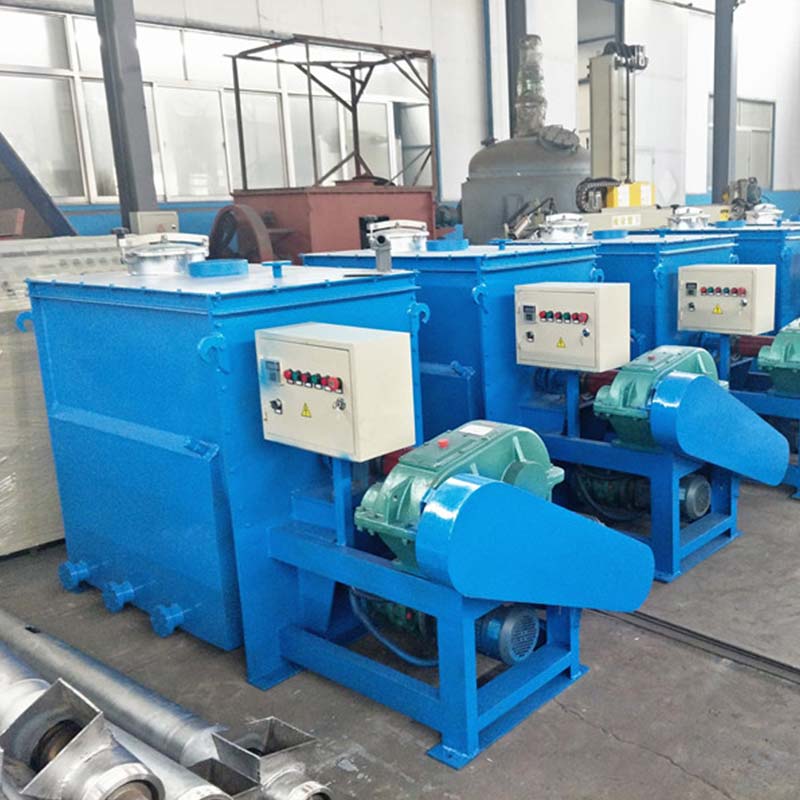
For powder and granular materials, equipment choice depends on whether the buyer needs gentle blending, fast mixing, or solid-liquid addition. A horizontal ribbon mixer can support bulk material blending, while a double screw conical mixer is often considered when materials need effective mixing with reduced damage to particles.
The key point is simple: the best equipment is not the largest or most complicated machine. It is the machine that matches the actual material behavior.
Evaluate Heating, Cooling, and Temperature Control
Temperature control is critical in many chemical and processing applications. Some materials require stable heating to complete reaction or melting. Others are sensitive to overheating, foaming, crystallization, or viscosity change.
When discussing a reactor or kneader with a chemical equipment manufacturer, buyers should prepare the following information:
Material heating temperature range
Whether the process requires constant temperature control
Whether the material is heat-sensitive
Whether cooling is needed after heating
Whether steam, electric heating, or another heating method is preferred
Whether the factory has existing utility conditions
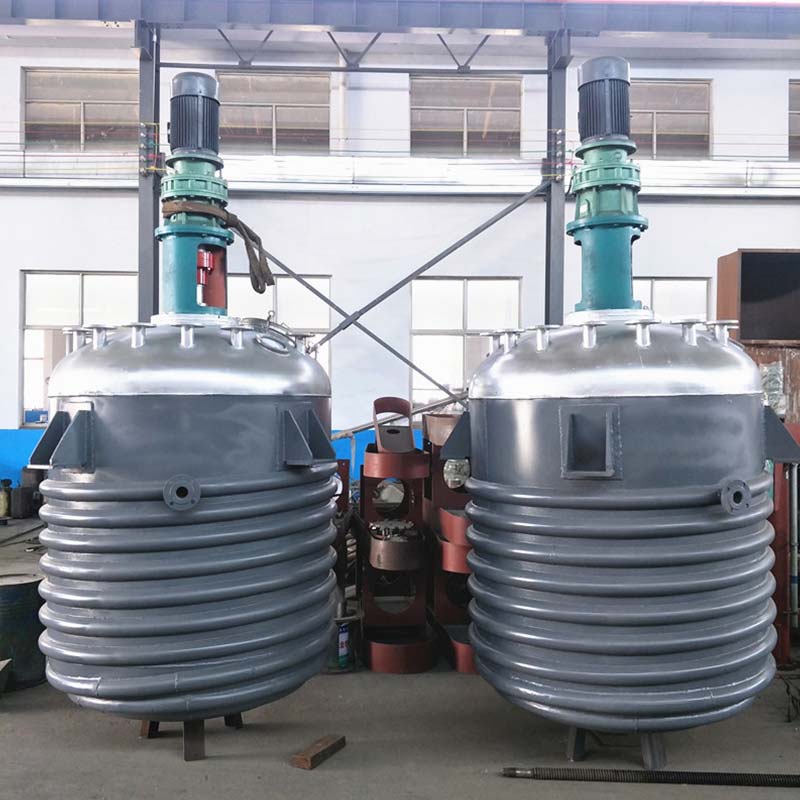
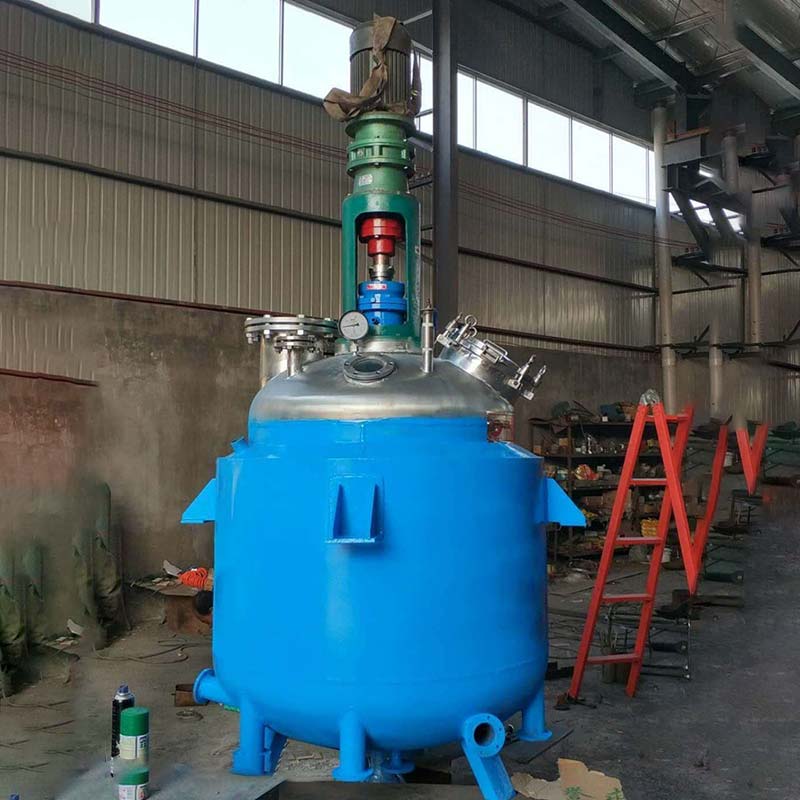
For processes that require heating without an external boiler, an electrically heated reactor may be a practical choice for materials used in chemicals, pigments, resins, food, and related industries. For other reaction or heat-transfer needs, buyers can also review the external coil reactor as part of the equipment comparison.
Temperature control is not only a production issue. It also affects product quality, equipment stress, safety design, and cleaning difficulty.
Check Material Compatibility and Contact Parts
Chemical equipment often handles corrosive, abrasive, sticky, or contamination-sensitive materials. That makes the material of construction important.
Before confirming an order, ask the manufacturer what parts will contact the material. These may include the vessel body, agitator, blades, seals, feeding area, discharge valve, grinding chamber, screen, rotor, stator, and pipelines.
Important questions include:
Are the material contact parts stainless steel, carbon steel, or alloy steel?
Is the selected material suitable for the chemical medium?
Is corrosion resistance required?
Is wear resistance required?
Does the product need cleaner material contact surfaces?
Will the material stick to the inner wall or discharge port?
Yufeng’s chemical equipment can be custom-designed based on media characteristics, temperature, pressure, and process flow. This is especially important for buyers working with different raw materials, process targets, or plant conditions.
For quality management, ISO explains that ISO 9001 helps organizations improve performance, meet customer expectations, and maintain quality management requirements. In equipment purchasing, this does not replace technical evaluation, but it gives buyers a useful reference when reviewing a manufacturer’s quality system.
Do Not Ignore Safety and Compliance Discussions
Chemical processing equipment may involve heating, pressure, moving parts, electric control systems, flammable materials, toxic materials, or dust-related risks. Buyers should treat safety as part of equipment selection from the beginning, not as a final checklist.
For pressure-related or safety-critical equipment, buyers should discuss design basis, inspection requirements, welding quality, relief design, operating limits, and documentation. The American Society of Mechanical Engineers is widely associated with engineering standards and certifications used in mechanical and pressure-related applications.
For plants handling highly hazardous chemicals, OSHA’s Process Safety Management resources explain that unexpected releases of toxic, reactive, or flammable materials can create serious hazards. OSHA’s 29 CFR 1910.119 also covers requirements intended to prevent or minimize consequences from catastrophic releases of highly hazardous chemicals.
This does not mean every buyer needs the same compliance route. Requirements vary by country, industry, material, process, and project scope. But every buyer should ask the chemical equipment manufacturer what technical documents, drawings, manuals, inspection records, and support materials can be provided.
Compare Standard Equipment and Custom Equipment
Standard equipment can work well when the material, process, and capacity requirements are simple. Custom equipment becomes more valuable when the buyer has special requirements, such as unusual material viscosity, higher temperature, special discharge method, corrosion concerns, limited workshop space, or integration with existing production lines.
A professional chemical equipment manufacturer should be able to explain which parts can be customized and which parts should remain standardized for reliability.
Common customization points include:
Equipment volume and capacity
Material contact parts
Heating and cooling method
Agitator or blade structure
Motor power and speed range
Feeding and discharge method
Control cabinet configuration
Installation layout
Sealing structure
Auxiliary systems
For example, high-viscosity materials may require a kneader with a more suitable discharge method. Powder blending may need a mixer selected by batch size and uniformity requirements. Hot melt adhesive production may require a hot melt underwater pelletizer with proper melting, filtering, cutting, cooling, and conveying configuration.
Customization should solve a real process problem. It should not make the system unnecessarily complicated.
Ask for Capacity, Utility, and Installation Details
Capacity is not only a number on a specification sheet. A buyer should understand how the rated capacity relates to real working conditions.
For example, a mixer’s batch capacity may depend on material density and filling ratio. A mill’s output may depend on material viscosity and target fineness. A reactor’s practical output may depend on heating time, reaction time, cooling time, feeding time, and discharge time.
Before confirming equipment, prepare these details:
Expected batch size or hourly output
Material density and viscosity
Target particle size or mixing uniformity
Production shifts per day
Available floor space
Power supply conditions
Compressed air or water requirements
Heating source availability
Cleaning and maintenance access
This step reduces misunderstanding. It also helps the manufacturer recommend a more realistic model instead of simply matching the closest catalog size.
The NIST equipment pre-purchase guide encourages manufacturers to consider equipment location, utility requirements, safety needs, maintenance expectations, and lifecycle risks before purchasing equipment. This idea is very relevant for chemical equipment buyers because installation and operation conditions often determine whether the equipment performs smoothly after delivery.
Review the Manufacturer’s Engineering Communication
For custom process equipment, communication quality is part of product quality. A good chemical equipment manufacturer should not only send a quotation. The team should help buyers clarify process details, confirm technical assumptions, and avoid selection errors.
During early communication, pay attention to whether the manufacturer asks about:
Raw material form
Viscosity or flowability
Working temperature
Pressure condition
Production capacity
Heating or cooling requirement
Discharge method
Factory layout
Power and utility conditions
Cleaning requirements
Local safety requirements
If the manufacturer only focuses on price and delivery time, the project may lack enough technical review. A more reliable supplier will usually ask deeper questions because process equipment must match real production conditions.
Yufeng’s contact page is suitable for sending material details, target capacity, application industry, and special requirements. The more complete the buyer’s information is, the easier it is to receive a practical equipment recommendation.
Look at the Complete Equipment Portfolio
A manufacturer with a broader product portfolio can often support more complete process discussions. For example, a chemical plant may not only need one reactor. It may also need mixing, dispersion, grinding, kneading, pelletizing, or hydraulic forming equipment.
Yufeng’s product center includes chemical equipment and hydraulic equipment, covering reactors, dispersers, mills, kneaders, mixers, pelletizing equipment, and hydraulic machinery. This makes it easier for buyers to compare equipment categories within one supplier system.
For grinding and particle size reduction, buyers can compare options such as the colloid mill, horizontal sand mill, and ball mill. Each type has its own operating principle and application range. The right choice depends on material characteristics, target fineness, production capacity, and downstream process requirements.
Build a Practical RFQ Before Contacting the Manufacturer
A clear RFQ helps both sides communicate faster. It also makes technical comparison more accurate when the buyer evaluates different equipment configurations.
A useful RFQ for a chemical equipment manufacturer should include:
Product or material name
Material form: liquid, powder, paste, granule, slurry, or melt
Viscosity or flow behavior if available
Corrosion or abrasion concerns
Working temperature and pressure
Required batch size or hourly output
Target mixing, reaction, grinding, or kneading result
Heating, cooling, vacuum, or pressure requirement
Preferred contact material
Discharge method
Workshop layout limitations
Voltage and utility conditions
Automation or control requirements
Destination country and documentation needs
Instead of asking only “How much is this machine?”, a better RFQ asks: “Here is my material and process target. Which equipment configuration is suitable, and why?”
That question leads to a more professional discussion and a more accurate recommendation.
Common Mistakes When Choosing a Chemical Equipment Manufacturer
Many purchasing problems happen before the equipment is even built. The following mistakes can lead to poor performance, difficult maintenance, or unnecessary modification after installation.
Choosing equipment only by capacity
Capacity must be evaluated together with material behavior, cycle time, heating time, discharge speed, and cleaning time.
Ignoring viscosity
Viscosity affects mixing power, blade selection, motor load, discharge method, and heat transfer efficiency.
Underestimating discharge difficulty
Sticky, high-viscosity, or compacted materials may require special discharge structures.
Forgetting future expansion
If production demand may increase, the buyer should discuss scalability before finalizing the model.
Not confirming utility conditions
Power supply, water, steam, compressed air, and workshop space should be checked before equipment design.
Treating customization as decoration
Customization should improve process fit, not simply add features.
Skipping documentation discussion
Manuals, drawings, inspection records, and technical support materials should be discussed early.
A capable chemical equipment manufacturer helps buyers avoid these problems by reviewing real operating conditions before equipment selection.
When Yufeng Is a Good Fit for Your Project
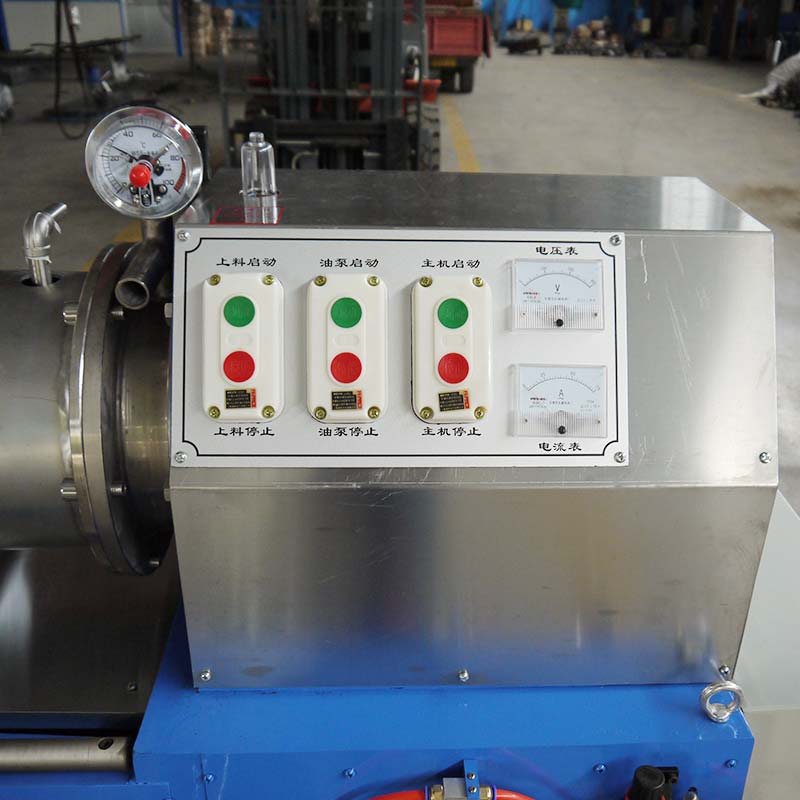
Yufeng is suitable for buyers who need chemical and plastic processing equipment with practical customization options. The company’s equipment range covers reaction, mixing, dispersion, grinding, kneading, pelletizing, and hydraulic applications.
Yufeng can be a good fit when your project involves:
Chemical reaction or heated processing
Liquid-solid dispersion
Powder blending
High-viscosity kneading
Fine grinding or emulsifying
Hot melt adhesive pelletizing
Plastic or rubber material processing
Industrial hydraulic forming or pressing applications
Custom equipment configuration based on process conditions
For buyers still comparing equipment types, the best starting point is the chemical products category. For customized requirements, buyers can send working conditions through Contact Us and request a configuration recommendation.
FAQ
What should I ask a chemical equipment manufacturer before buying?
You should ask about equipment suitability for your material, working temperature, pressure, capacity, contact material, heating method, discharge method, control system, maintenance needs, and available documentation.
How do I know which chemical equipment is suitable for my process?
Start with the material form, viscosity, process goal, capacity, temperature requirement, and final product quality target. A manufacturer can then recommend a reactor, mixer, mill, kneader, disperser, or pelletizing system.
Is custom chemical equipment better than standard equipment?
Custom equipment is better when the process has special requirements. Standard equipment may be enough for simple applications, but custom configuration is often useful for special materials, unusual capacity needs, or strict process conditions.
Why is material compatibility important in chemical equipment?
Material compatibility affects corrosion resistance, wear resistance, product purity, equipment life, and maintenance frequency. Buyers should confirm all material contact parts before ordering.
Can one manufacturer provide different types of chemical processing equipment?
Yes. Some manufacturers provide multiple equipment categories, such as reactors, mixers, mills, kneaders, dispersers, pelletizers, and hydraulic equipment. This can make process planning and equipment matching easier.
Conclusion
Choosing a chemical equipment manufacturer is a technical decision, not just a purchasing task. The right supplier should understand your material, process target, production capacity, safety requirements, installation conditions, and customization needs.
For industrial buyers, the best approach is to start with the process, then match the equipment. Review material behavior, temperature control, contact materials, capacity, utility conditions, safety requirements, documentation, and long-term maintenance before confirming a model.
Yufeng provides chemical equipment and hydraulic equipment for reaction, mixing, dispersion, grinding, kneading, pelletizing, and industrial processing applications. If you are planning a new production line or upgrading existing equipment, you can explore Yufeng’s chemical equipment products or send your process requirements through the contact page for a more suitable equipment recommendation.