As a professional electric heated reactor manufacturer, we publish technical and industry-focused content to improve search visibility, attract qualified traffic, and generate consistent B2B inquiries from global buyers. This article is designed to help engineers, procurement teams, and industrial users understand electric heated reactor systems from both a technical and purchasing perspective.
Table of Contents
What Is an Electric Heated Reactor and How It Works
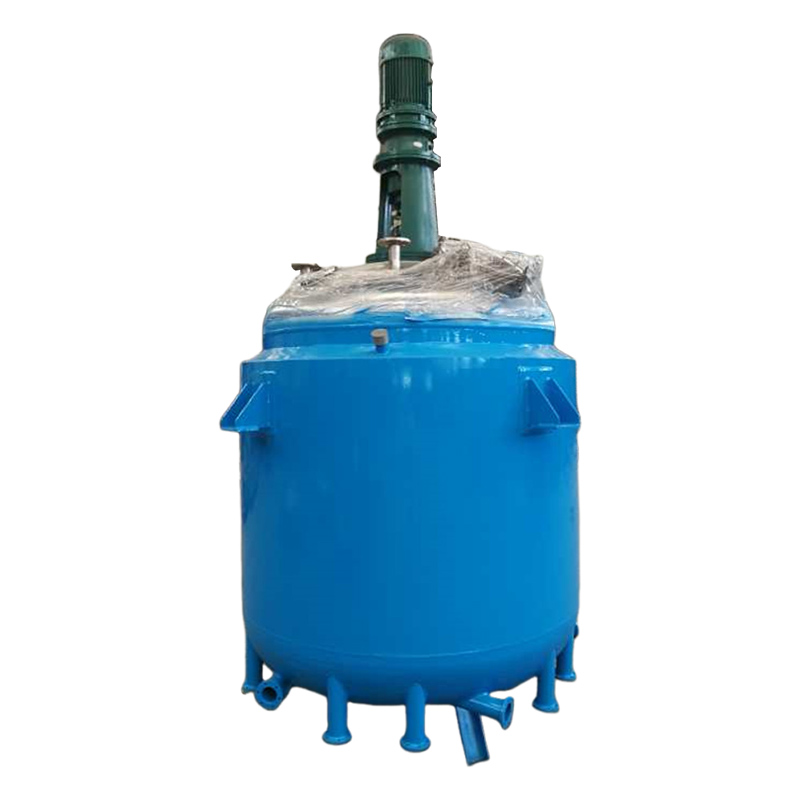
An electric heated reactor is an industrial vessel designed for chemical reactions that require controlled heating through an electrical energy source. Unlike steam or oil heating systems, it uses embedded electric heating elements to provide direct and stable thermal energy.
The working principle is straightforward:
- Electric heating elements generate heat
- Heat is transferred evenly through the reactor jacket or coil system
- A temperature control system maintains precise reaction conditions
- Materials inside the reactor undergo controlled chemical or physical transformation
Compared with traditional heating methods, electric heating systems offer faster response, better temperature accuracy, and reduced external infrastructure requirements.
Electric Reactor Manufacturing Process Explained
The performance of an electric reactor depends heavily on manufacturing quality. As a factory-focused producer, the production process typically includes:
- Material selection (stainless steel 304/316L or carbon steel depending on media)
- Cutting, rolling, and welding of the reactor shell
- Installation of electric heating elements and insulation layers
- Integration of control systems and sensors
- Pressure testing and safety inspection
Each step directly influences reactor durability, heating efficiency, and long-term stability.
Key Features of a High-Quality Electric Heated Reactor
A well-designed electric heated reactor must balance efficiency, safety, and adaptability. Key features include:
- Precise temperature control system (PID or PLC-based)
- Corrosion-resistant reactor body materials
- Uniform heating distribution for stable reaction conditions
- Energy-efficient electric heating structure
- Pressure-resistant and explosion-safe design
- Customizable capacity from lab scale to industrial scale
These features ensure stable operation across chemical, pharmaceutical, and material processing industries.
Industrial Applications of Electric Reactor
Electric reactors are widely used in multiple industries due to their flexibility and control precision:
- Chemical synthesis and formulation
- Pharmaceutical intermediate production
- Petrochemical processing
- Food-grade material processing
- Polymer and resin production
- Laboratory research and pilot testing
Their adaptability makes them suitable for both small-scale R&D and large-scale industrial production lines.
Electric Heated Reactor vs Steam Heated Reactor
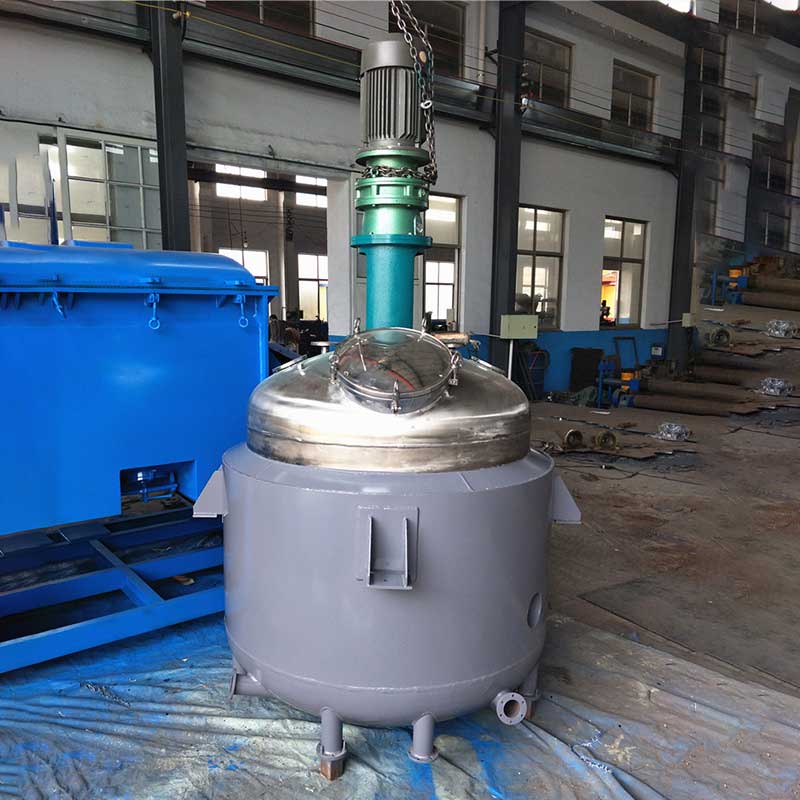
Choosing between electric heating and steam heating is a key decision for industrial buyers. The comparison below highlights the main differences:
| Feature | Electric Heated Reactor | Steam Heated Reactor |
|---|---|---|
| Heat source | Electric energy | Steam boiler system |
| Installation cost | Lower | Higher (boiler required) |
| Temperature control | High precision | Moderate |
| Energy efficiency | High | Depends on boiler system |
| Maintenance | Simple | More complex |
| Startup time | Fast | Slower |
Electric systems are often preferred for facilities that require flexibility, precise control, and lower infrastructure investment.
How to Choose the Right Electric Reactor
Selecting the correct reactor model is essential for production efficiency. Key considerations include:
- Required working volume and batch size
- Operating temperature and pressure range
- Material compatibility with chemical media
- Heating power and energy consumption
- Automation level (manual, semi-automatic, or PLC control)
- Custom design requirements for specific processes
A properly matched reactor reduces operational risks and improves long-term productivity.
Electric Heated Reactor Price Factors and Cost Analysis
The price of an electric heated reactor varies depending on multiple technical and manufacturing factors. Below is a simplified cost structure:
| Cost Factor | Impact Level | Description |
|---|---|---|
| Material grade | High | Stainless steel vs carbon steel |
| Capacity size | High | Larger reactors require more materials |
| Pressure rating | Medium | Reinforcement increases cost |
| Heating system | Medium | Power level and configuration |
| Automation level | High | PLC systems increase value |
| Custom design | High | Non-standard fabrication |
Factory direct purchasing typically offers better cost efficiency compared to trading companies, especially for bulk or customized orders.
Common Problems and Maintenance Tips for Electric Reactor
Proper maintenance ensures long service life and stable performance. Common issues include:
- Temperature fluctuation due to sensor misalignment
- Heating element wear over time
- Corrosion from incompatible chemical media
- Seal leakage under high pressure conditions
Maintenance recommendations:
- Regular inspection of heating elements
- Calibration of temperature sensors
- Cleaning of internal reactor surfaces
- Routine pressure testing
- Timely replacement of sealing components
Why Choose a Direct Electric Reactor Manufacturer
Working directly with a manufacturer provides significant advantages:
- Lower procurement cost without middlemen
- Custom engineering based on process requirements
- Stable product quality with factory-level inspection
- Faster delivery and technical response
- OEM and ODM manufacturing support
For industrial buyers, manufacturer-direct sourcing improves both reliability and long-term supply stability.
Electric Heated Reactor Export and Global Supply Capability
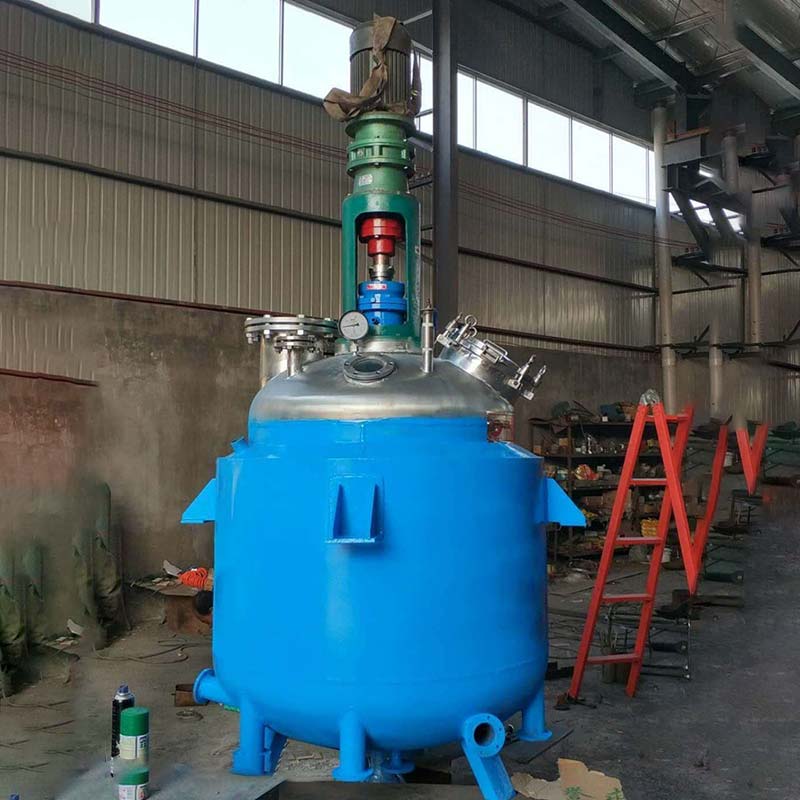
With increasing global demand, electric heated reactors are widely exported to chemical and industrial markets worldwide. Key export advantages include:
- Compliance with international industrial standards
- Secure packaging for long-distance shipping
- Technical documentation for installation and operation
- Remote support for overseas clients
- Flexible production capacity for bulk orders
Global supply capability ensures consistent delivery for long-term industrial projects.
Conclusion
Electric heated reactors have become an essential solution in modern industrial heating and chemical processing systems. Their advantages in temperature control, energy efficiency, and operational flexibility make them widely adopted across chemical, pharmaceutical, and material industries.
As a dedicated electric heated reactor manufacturer, our focus is on delivering reliable, customizable, and cost-efficient reactor systems that meet diverse industrial requirements. Understanding the structure, applications, pricing factors, and maintenance practices allows buyers to make more informed investment decisions.
With proper selection and manufacturer support, an electric heated reactor becomes a long-term asset that improves production stability, efficiency, and overall process performance.
FAQ
Q1: What is an electric heated reactor used for?
An electric heated reactor is used for controlled chemical reactions in industries such as chemical processing, pharmaceuticals, petrochemicals, and material production. It provides stable and precise temperature control for efficient reactions.
Q2: How does an electric heated reactor work?
It works by using electric heating elements to generate heat, which is transferred evenly to the reactor body. A temperature control system regulates heating to maintain stable reaction conditions.
Q3: What is the difference between electric heated reactor and steam heated reactor?
An electric heated reactor uses electricity for direct heating, offering faster response and easier installation, while a steam heated reactor relies on a boiler system and is more complex to operate.
Q4: What materials are commonly used in electric reactors?
Most electric reactors are made of stainless steel (304 or 316L) or carbon steel, depending on the chemical compatibility and corrosion resistance requirements of the application.
Q5: How do I choose the right electric reactor?
You should consider working volume, operating temperature, pressure requirements, material compatibility, and automation level. Choosing the right specifications ensures safe and efficient production.