โรงงานลูกบอลอุตสาหกรรมเป็นหนึ่งในเครื่องบดที่ใช้กันอย่างแพร่หลายในอุตสาหกรรมเหมืองแร่ซีเมนต์โลหะและเคมี ในฐานะผู้ผลิตโดยตรงของ โรงงานลูกบอลอุตสาหกรรม อุปกรณ์ การเผยแพร่เนื้อหาทางเทคนิคไม่เพียงแต่เกี่ยวกับการแบ่งปันความรู้เท่านั้น แต่ยังเกี่ยวกับการปรับปรุงการมองเห็นการค้นหา การดึงดูดปริมาณการเข้าชมที่มีคุณสมบัติเหมาะสม และการสร้างคําถาม B2B จากผู้ซื้อทั่วโลก.
คู่มือนี้จะอธิบายวิธีการทํางานของโรงงานลูกบอลอุตสาหกรรม ประเภท เกณฑ์การคัดเลือก และปัจจัยด้านประสิทธิภาพที่สําคัญ ช่วยให้ผู้ปฏิบัติงานในโรงงานและทีมจัดซื้อมีข้อมูลในการตัดสินใจลงทุน.
สารบัญ
โรงงานผลิตลูกบอลอุตสาหกรรมคืออะไร และเหตุใดจึงมีความสําคัญในระบบบด
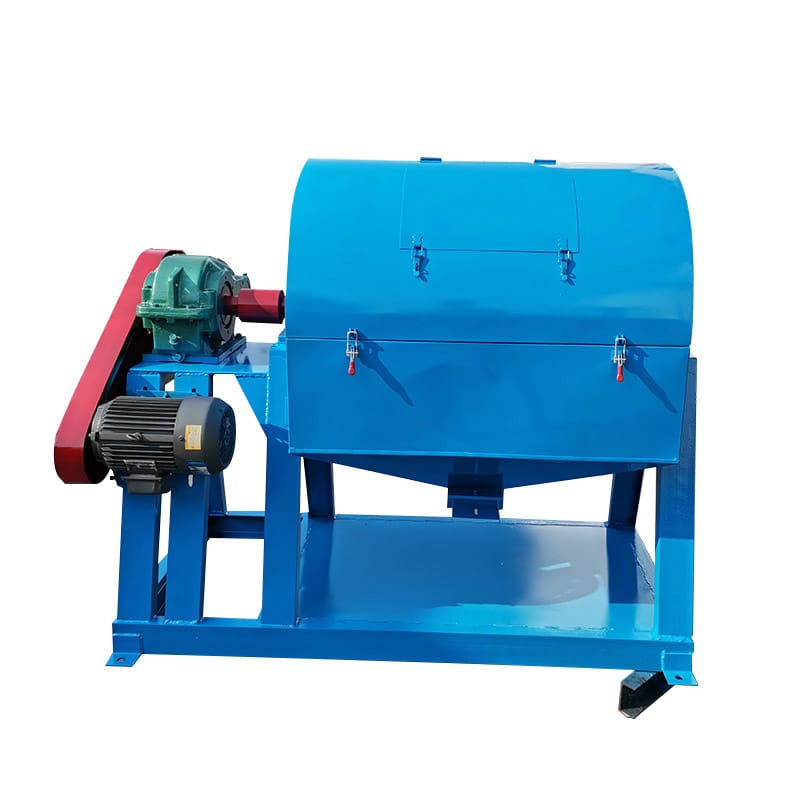
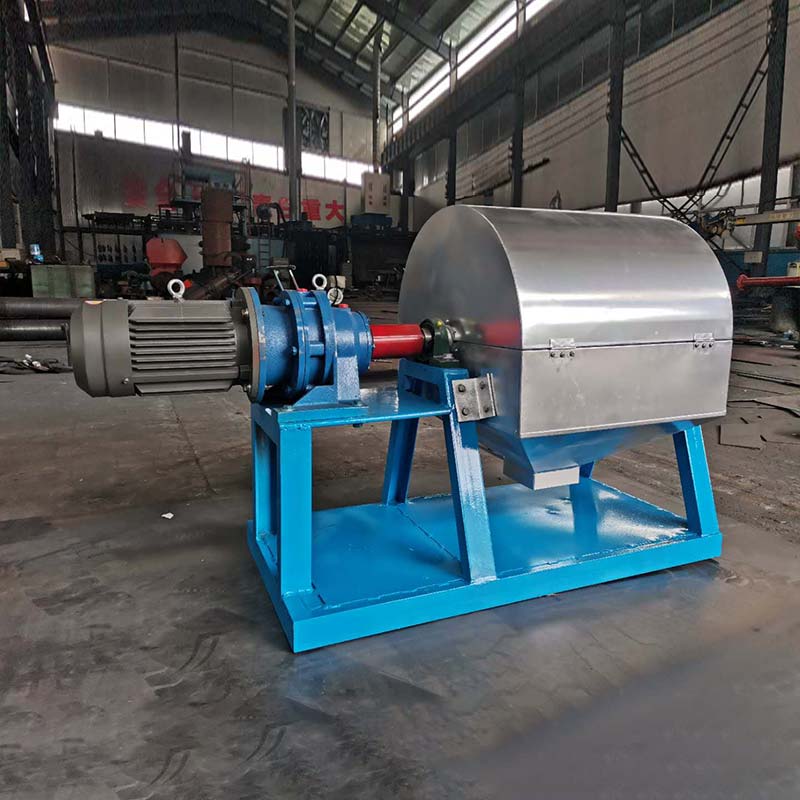
อัน โรงงานลูกบอลอุตสาหกรรม เป็นเครื่องบดที่ใช้ในการลดขนาดของวัสดุผ่านการกระแทกและการขัดถู นิยมนําไปใช้ในโรงงานแปรรูปแร่สายการผลิตปูนซีเมนต์และระบบการผลิตสารเคมี.
ความสําคัญอยู่ที่ความสามารถในการลดขนาดอนุภาคที่ละเอียดและละเอียดเป็นพิเศษ ซึ่งส่งผลโดยตรงต่อคุณภาพของผลิตภัณฑ์และประสิทธิภาพการประมวลผลขั้นปลายน้ํา.
ในการผลิตภาคอุตสาหกรรมการบดมักเป็นหนึ่งในขั้นตอนที่ใช้พลังงานมากที่สุด ระบบการบดโรงสีลูกที่ออกแบบมาอย่างดีสามารถลดต้นทุนการดําเนินงานได้อย่างมากในขณะที่ปรับปรุงเสถียรภาพของผลผลิต.
ฟังก์ชั่นที่สําคัญ ได้แก่:
- การบดแร่และการปลดปล่อยแร่
- การประมวลผลปูนเม็ดปูนซีเมนต์
- การผลิตผงละเอียดสําหรับวัสดุอุตสาหกรรม
- การควบคุมการกระจายขนาดอนุภาคที่สม่ําเสมอ
อธิบายหลักการทํางานของโรงสีลูก
หลักการทํางานของโรงสีลูกขึ้นอยู่กับการเคลื่อนที่แบบหมุนและการกระแทกของสื่อบด.
ภายในกระบอกหมุนลูกเหล็กหรือสื่อบดอื่น ๆ จะถูกยกขึ้นและตกลงบนวัสดุ ผลกระทบซ้ํา ๆ นี้แบ่งอนุภาคออกเป็นขนาดเล็กลง.
กระบวนการประกอบด้วย:
- วัสดุป้อนเข้าสู่ห้องโรงสี
- การหมุนกระบอกสูบยกสื่อบด
- ผลกระทบและการขัดถูลดขนาดอนุภาค
- วัสดุละเอียดออกผ่านระบบระบาย
สองโหมดการทํางานหลักที่ใช้กันอย่างแพร่หลาย:
- โรงงานลูกบดเปียก: ใช้ของเหลวเพื่อการกระจายตัวที่ดีขึ้นและผลผลิตที่ละเอียดยิ่งขึ้น
- โรงงานลูกบอลบดแห้ง: เหมาะสําหรับวัสดุที่ไม่ต้องการความชื้น
กลไกนี้ช่วยให้มั่นใจได้ว่าการบดอย่างต่อเนื่องและมีประสิทธิภาพสําหรับการผลิตทางอุตสาหกรรมขนาดใหญ่.
ประเภทสําคัญของโรงงานลูกบอลอุตสาหกรรมสําหรับการใช้งานที่แตกต่างกัน
กระบวนการทางอุตสาหกรรมที่แตกต่างกันต้องการการกําหนดค่าโรงสีที่แตกต่างกัน การเลือกประเภทที่เหมาะสมจะช่วยเพิ่มประสิทธิภาพและลดการใช้พลังงานที่ไม่จําเป็น.
| ประเภทของโรงสีลูก | คุณสมบัติหลัก | แอปพลิเคชันทั่วไป |
|---|---|---|
| โรงงานลูกบอลล้น | การบดละเอียดการปล่อยที่ราบรื่น | การทําเหมืองแร่และการแปรรูปแร่ |
| โรงสีลูกตะแกรงปลดปล่อย | ระบายได้เร็วขึ้น ความจุสูงขึ้น | การบดแร่ขนาดใหญ่ |
| โรงงานลูกบอลแบทช์ | การทํางานเป็นระยะ | ห้องปฏิบัติการและการผลิตขนาดเล็ก |
| โรงสีลูกอย่างต่อเนื่อง | การให้อาหารและผลผลิตอย่างต่อเนื่อง | ปูนซีเมนต์และสายการผลิตอุตสาหกรรม |
การกําหนดค่าแต่ละอย่างได้รับการออกแบบสําหรับความต้องการการเจียรทางอุตสาหกรรมที่เฉพาะเจาะจงทําให้มั่นใจได้ถึงประสิทธิภาพสูงสุดในสภาพแวดล้อมการทํางานที่แตกต่างกัน.
ส่วนประกอบหลักของระบบโรงงานลูกบอลอุตสาหกรรม
ระบบโรงสีลูกที่สมบูรณ์ประกอบด้วยส่วนประกอบที่สําคัญหลายอย่างที่มีอิทธิพลโดยตรงต่อประสิทธิภาพและความทนทาน.
- เปลือกกระบอกสูบหมุน: ห้องบดหลัก
- บดสื่อ: ลูกเหล็กหรือลูกเซรามิก
- ระบบให้อาหาร: ควบคุมการไหลเข้าของวัสดุ
- ระบบจําหน่าย: ทําให้มั่นใจได้ถึงผลผลิตอย่างต่อเนื่อง
- ระบบขับเคลื่อนและมอเตอร์: ให้พลังการหมุน
- ระบบแบริ่งและหล่อลื่น: ช่วยให้มั่นใจได้ว่าการทํางานมีเสถียรภาพ
ในฐานะผู้ผลิต การเลือกวัสดุและวิศวกรรมความแม่นยําของส่วนประกอบเหล่านี้จะกําหนดประสิทธิภาพโดยรวมและอายุการใช้งานของอุปกรณ์.
โรงงานลูกบอลอุตสาหกรรม การใช้งานในหลากหลายอุตสาหกรรม
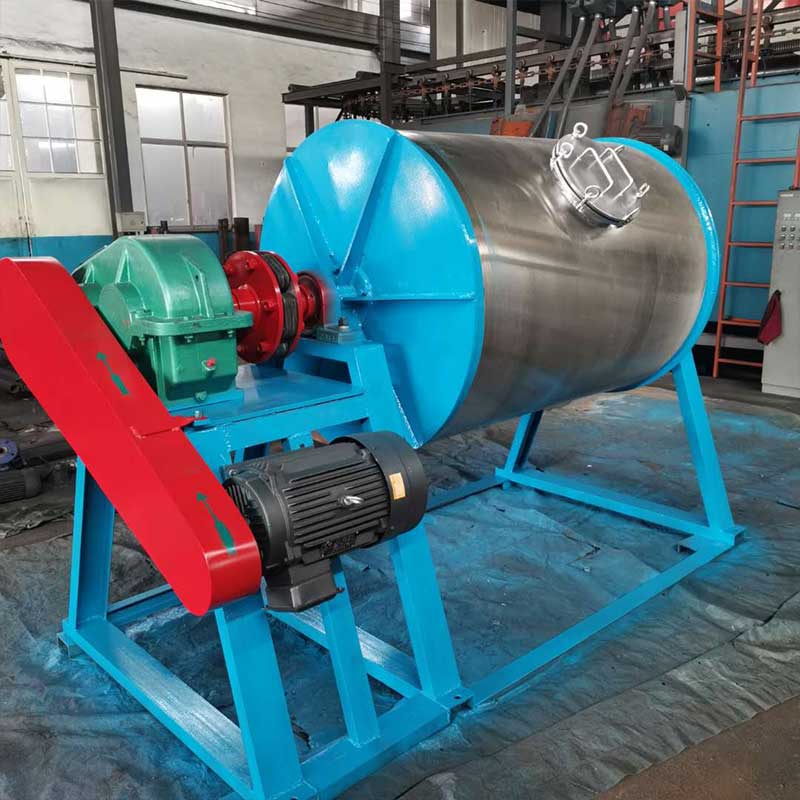
โรงงานผลิตลูกอุตสาหกรรมมีการใช้กันอย่างแพร่หลายในหลายภาคส่วนเนื่องจากความสามารถในการปรับตัวและประสิทธิภาพการบด.
- อุตสาหกรรมเหมืองแร่: ทอง, ทองแดง, การประมวลผลแร่เหล็ก
- อุตสาหกรรมปูนซีเมนต์: ปูนเม็ดบดและการผลิตปูนซีเมนต์
- โลหะวิทยา: ผงโลหะและการประมวลผลโลหะผสม
- อุตสาหกรรมเคมี: เม็ดสีและการปรับแต่งผง
- วัสดุก่อสร้าง: การประมวลผลรวมละเอียด
การใช้งานแต่ละครั้งต้องการความละเอียดในการเจียร ความจุ และระดับการใช้พลังงานที่แตกต่างกัน.
วิธีการเลือกกําลังการผลิตโรงงานลูกบอลอุตสาหกรรมที่เหมาะสม
การเลือกกําลังการผลิตที่ถูกต้องถือเป็นสิ่งสําคัญในการรับประกันประสิทธิภาพการผลิตและการควบคุมต้นทุน.
ปัจจัยการเลือกที่สําคัญ ได้แก่:
- ความต้องการผลผลิตการผลิตรายวัน
- ความแข็งและการเสียดสีของวัสดุ
- ขนาดอนุภาคสุดท้ายที่ต้องการ
- เป้าหมายการใช้พลังงาน
- แผนผังโรงงานและพื้นที่ติดตั้งที่มีอยู่
ความจุของโรงสีลูกที่เลือกอย่างเหมาะสมช่วยหลีกเลี่ยงการบรรทุกเกินพิกัดลดความถี่ในการบํารุงรักษาและปรับปรุงประสิทธิภาพในระยะยาว.
ปัจจัยสําคัญที่ส่งผลต่อประสิทธิภาพของโรงงานลูกบอลอุตสาหกรรม
พารามิเตอร์ทางเทคนิคหลายอย่างส่งผลโดยตรงต่อประสิทธิภาพการบดและเสถียรภาพในการดําเนินงาน:
- ขนาดและอัตราส่วนของสื่อบด
- ความเร็วในการหมุน (การควบคุมความเร็วที่สําคัญ)
- ความสม่ําเสมอในการป้อนวัสดุ
- ความต้านทานการสึกหรอของไลเนอร์
- คุณภาพการหล่อลื่นระบบ
- ประสิทธิภาพการใช้พลังงาน
การเพิ่มประสิทธิภาพปัจจัยเหล่านี้สามารถปรับปรุงผลผลิตได้อย่างมากในขณะที่ลดต้นทุนด้านพลังงานในระบบการผลิตขนาดใหญ่.
โรงงานผลิตลูกอุตสาหกรรมกับอุปกรณ์บดอื่น ๆ
เครื่องบดที่แตกต่างกันให้บริการวัตถุประสงค์ที่แตกต่างกัน การทําความเข้าใจความแตกต่างของพวกเขาช่วยในการเลือกระบบที่เหมาะสม.
| อุปกรณ์ | ข้อดี | ข้อจํากัด |
|---|---|---|
| บอล มิลล์ | ความละเอียดสูงการทํางานที่มั่นคง | การใช้พลังงานที่สูงขึ้น |
| ร็อด มิลล์ | ขนาดอนุภาคสม่ําเสมอ | ความสามารถในการบดละเอียดน้อยลง |
| โรงสีลูกกลิ้งแนวตั้ง | ประหยัดพลังงาน | ความซับซ้อนในการบํารุงรักษาที่สูงขึ้น |
The โรงงานลูกบอลอุตสาหกรรม ระบบยังคงเป็นหนึ่งในโซลูชันที่ยืดหยุ่นและใช้กันอย่างแพร่หลายสําหรับการใช้งานบดละเอียด.
ข้อดีของการเลือกผู้ผลิตโรงสีลูกโดยตรง
การทํางานโดยตรงกับผู้ผลิตให้ข้อได้เปรียบที่สําคัญสําหรับผู้ซื้ออุตสาหกรรม:
- การกําหนดราคาโดยตรงจากโรงงานโดยไม่มีคนกลาง
- วิศวกรรมที่กําหนดเองตามความต้องการของโครงการ
- ความสามารถในการผลิต OEM/ODM
- การควบคุมคุณภาพอย่างเข้มงวดในระหว่างการผลิต
- การสนับสนุนด้านเทคนิคตั้งแต่การออกแบบไปจนถึงการติดตั้ง
- อุปทานที่มั่นคงสําหรับโครงการระยะยาว
ในฐานะผู้ผลิตเรามุ่งเน้นการส่งมอบโซลูชั่นโรงสีลูกที่เชื่อถือได้ซึ่งเหมาะสําหรับอุตสาหกรรมเหมืองแร่ซีเมนต์และเคมีทั่วโลก.
ต้นทุนโรงงานลูกบอลอุตสาหกรรมปัจจัยด้านราคาและการพิจารณาการลงทุน
ค่าใช้จ่ายของโรงงานลูกบอลอุตสาหกรรมขึ้นอยู่กับปัจจัยสําคัญหลายประการ:
- ขนาดอุปกรณ์และกําลังการผลิต
- การเลือกวัสดุและระดับความต้านทานการสึกหรอ
- การกําหนดค่าระบบอัตโนมัติและการควบคุม
- ข้อกําหนดการออกแบบที่กําหนดเอง
- ความซับซ้อนในการขนส่งและการติดตั้ง
แม้ว่าการลงทุนเริ่มแรกจะแตกต่างกันไป แต่ระบบการบดทางอุตสาหกรรมที่มีประสิทธิภาพสูงจะช่วยลดต้นทุนการดําเนินงานในระยะยาว และปรับปรุง ROI ผ่านการประหยัดพลังงานและความทนทาน.
การบํารุงรักษาและการเพิ่มประสิทธิภาพของระบบโรงสีลูก
การบํารุงรักษาที่เหมาะสมช่วยให้มั่นใจได้ว่าการทํางานมีเสถียรภาพและยืดอายุการใช้งานของอุปกรณ์:
- การตรวจสอบปกติของไลเนอร์และสื่อบด
- การบํารุงรักษาระบบหล่อลื่น
- การตรวจสอบประสิทธิภาพของมอเตอร์และไดรฟ์
- การป้องกันการอุดตันของวัสดุ
- การจัดตําแหน่งและการสอบเทียบเป็นระยะ
ระบบที่ได้รับการดูแลอย่างดีช่วยลดเวลาหยุดทํางานและรับประกันประสิทธิภาพการผลิตอย่างต่อเนื่อง.
เหตุใดโซลูชันโรงสีลูกอุตสาหกรรมของเราจึงโดดเด่นในฐานะผู้ผลิต
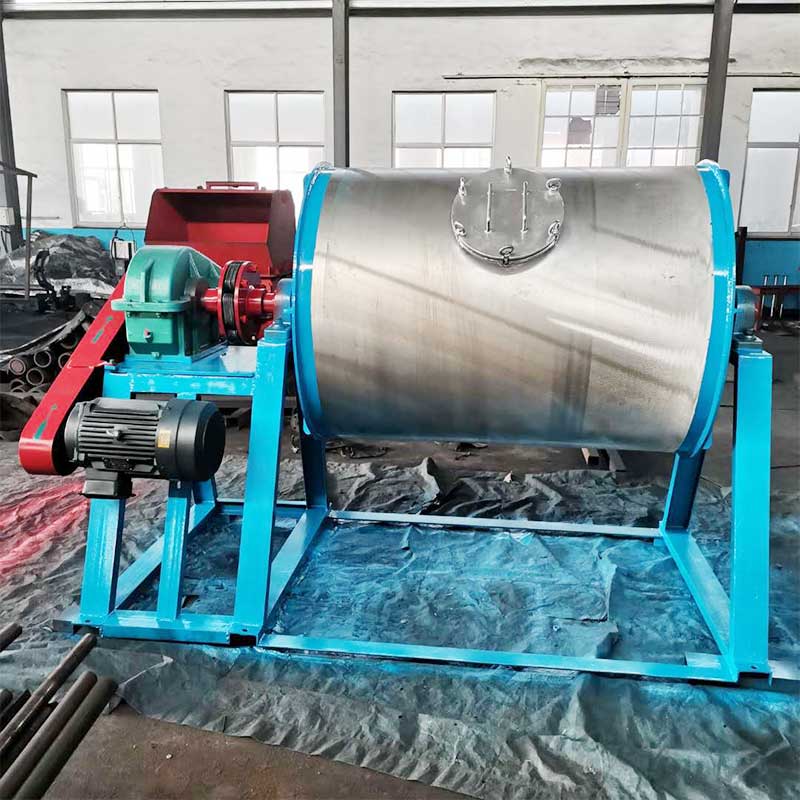
ในฐานะผู้อุทิศตน โรงงานลูกบอลอุตสาหกรรม ผู้ผลิต เรามุ่งเน้นที่การนําเสนอโซลูชั่นเชิงวิศวกรรมมากกว่าอุปกรณ์มาตรฐาน.
ข้อดีของเราประกอบด้วย:
- ความสามารถในการวิจัยและพัฒนาและวิศวกรรมที่แข็งแกร่ง
- การออกแบบระบบการบดที่กําหนดเอง
- มาตรฐานการผลิตคุณภาพสูง
- ประสบการณ์การส่งออกทั่วโลก
- การสนับสนุนทางเทคนิคหลังการขายที่เชื่อถือได้
เราสนับสนุนโรงงานเหมืองแร่โรงงานปูนซีเมนต์และบริษัทแปรรูปอุตสาหกรรมด้วยโซลูชันการบดที่ปรับขนาดได้และมีประสิทธิภาพซึ่งออกแบบมาเพื่อการทํางานในระยะยาว.
สรุป
การเลือกอุตสาหกรรมที่เหมาะสม โรงงานลูกบอล คือการตัดสินใจที่สําคัญซึ่งส่งผลโดยตรงต่อประสิทธิภาพการผลิต การใช้พลังงาน และคุณภาพของผลิตภัณฑ์ การทําความเข้าใจหลักการทํางาน ส่วนประกอบของระบบ การเลือกกําลังการผลิต และปัจจัยด้านประสิทธิภาพช่วยให้ผู้ซื้อมีทางเลือกในการลงทุนที่มีข้อมูลมากขึ้น.
จากมุมมองของผู้ผลิต การจัดหาระบบโรงสีลูกอุตสาหกรรมที่ได้รับการปรับปรุงและปรับแต่งให้เหมาะสมไม่เพียงแต่ช่วยให้มั่นใจได้ถึงประสิทธิภาพของอุปกรณ์ที่ดีขึ้น แต่ยังปรับปรุงมูลค่าการดําเนินงานในระยะยาวสําหรับลูกค้าทั่วโลกอีกด้วย.
หากโครงการของคุณต้องการโซลูชันการบดที่เชื่อถือได้การทํางานโดยตรงกับผู้ผลิตที่มีประสบการณ์สามารถปรับปรุงประสิทธิภาพได้อย่างมากลดต้นทุนและรับประกันประสิทธิภาพการผลิตที่มั่นคง.
คำถามที่พบบ่อย
โรงงานผลิตลูกอุตสาหกรรมใช้สําหรับอะไร?
โรงงานผลิตลูกอุตสาหกรรมใช้สําหรับบดและลดขนาดวัสดุในอุตสาหกรรมเหมืองแร่ซีเมนต์โลหะและเคมี ส่วนใหญ่จะใช้สําหรับการแปรรูปแร่บดปูนเม็ดและการผลิตผงละเอียด.
โรงงานผลิตลูกอุตสาหกรรมทํางานอย่างไร?
มันทํางานโดยการหมุนห้องทรงกระบอกที่เต็มไปด้วยสื่อบด (เช่นลูกเหล็ก) ในขณะที่กระบอกสูบหมุนสื่อจะกระแทกและบดวัสดุให้เป็นอนุภาคที่ละเอียดขึ้นผ่านการชนและการเสียดสีอย่างต่อเนื่อง.
วัสดุใดบ้างที่สามารถแปรรูปได้ในอุตสาหกรรม โรงงานลูกบอล?
สามารถแปรรูปวัสดุได้หลากหลาย รวมถึงแร่เหล็ก แร่ทองคํา แร่ทองแดง ปูนเม็ด ถ่านหิน หินปูน และแร่ธาตุและผงทางอุตสาหกรรมต่างๆ.
ความแตกต่างระหว่างโรงสีลูกเปียกและแห้งคืออะไร?
โรงสีลูกเปียกใช้ของเหลวในระหว่างการบดเพื่อให้ได้ผลผลิตที่ละเอียดยิ่งขึ้นและการกระจายตัวที่ดีขึ้น ในขณะที่โรงสีลูกแห้งทํางานโดยไม่มีของเหลวและเหมาะสําหรับวัสดุที่ต้องคงความชื้นไว้.
ฉันจะเลือกโรงงานลูกบอลอุตสาหกรรมที่เหมาะสมสําหรับโรงงานของฉันได้อย่างไร?
คุณควรพิจารณากําลังการผลิตความแข็งของวัสดุขนาดอนุภาคสุดท้ายที่ต้องการประสิทธิภาพการใช้พลังงานและแผนผังโรงงาน การทํางานร่วมกับผู้ผลิตช่วยให้มั่นใจได้ว่าโซลูชันที่ปรับแต่งอย่างเหมาะสมสําหรับโครงการของคุณ.