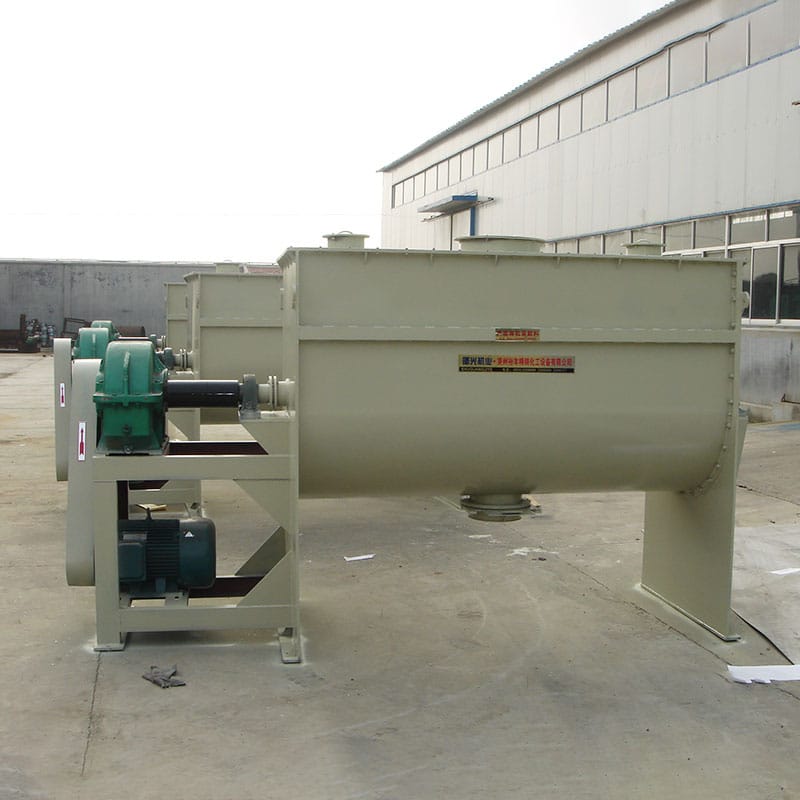
การเตรียมอาหารสัตว์ที่มีประสิทธิภาพไม่ได้เป็นเพียงขั้นตอนสนับสนุนในการเลี้ยงปศุสัตว์อีกต่อไปแต่ได้กลายเป็นหนึ่งในปัจจัยหลักที่กําหนดเสถียรภาพในการผลิตและสมรรถนะของสัตว์ เมื่อฟาร์มมีขนาดและสูตรอาหารสัตว์มีความซับซ้อนมากขึ้นผู้ประกอบการจํานวนมากกําลังเปลี่ยนไปใช้อุปกรณ์ที่สามารถส่งมอบความสม่ําเสมอความยืดหยุ่นและผลผลิตที่มั่นคงภายใต้การใช้งานอย่างต่อเนื่อง.
ในบรรดาตัวเลือกที่มีอยู่ เครื่องผสมอาหารแนวนอน ได้ค่อยๆกลายเป็นทางเลือกในทางปฏิบัติสําหรับฟาร์มที่ต้องการประสิทธิภาพการผสมที่เชื่อถือได้โดยไม่มีความซับซ้อนในการดําเนินงานที่ไม่จําเป็น โฟกัสไม่ได้อยู่ที่ตัวเครื่องเอง แต่อยู่ที่สิ่งที่เปิดใช้งาน: คุณภาพฟีดที่มั่นคงในทุกชุด.
ในฐานะผู้ผลิตที่ทํางานอย่างใกล้ชิดกับผู้ใช้อุปกรณ์ปศุสัตว์ รูปแบบหนึ่งคือปัญหาด้านประสิทธิภาพที่ชัดเจนที่สุดในระบบการให้อาหารเริ่มต้นจากความไม่สอดคล้องกันในการผสม ไม่ใช่ส่วนผสม.
สารบัญ
ทําความเข้าใจบทบาทของเครื่องผสมอาหารแนวนอนในการดําเนินงานฟาร์มจริง

A เครื่องผสมอาหารแนวนอน ถูกออกแบบมาเพื่อรวมส่วนผสมฟีดหลายรายการเข้าด้วยกันเป็นส่วนผสมที่สม่ําเสมอผ่านห้องผสมแนวนอนที่ติดตั้งเพลาหมุนและใบมีดผสม แทนที่จะอาศัยการเคลื่อนไหวตามแรงโน้มถ่วงจะใช้การหมุนเวียนทางกลบังคับ.
ในทางปฏิบัติหมายความว่าวัสดุเคลื่อนที่ไปด้านข้างและไหลสวนทางภายในห้องโดยข้ามเส้นทางซ้ํา ๆ จนกว่าจะได้ส่วนผสมที่สอดคล้องกัน สิ่งนี้มีประโยชน์อย่างยิ่งเมื่อต้องรับมือกับสูตรอาหารที่มีเส้นใยธัญพืชสารเติมแต่งโปรตีนและอาหารเสริมแร่ธาตุ.
สิ่งที่สําคัญที่สุดในการใช้งานจริงไม่ใช่โครงสร้าง แต่ผลลัพธ์ก็คือ ทุกส่วนของอาหารสัตว์ที่ออกจากระบบควรมีความสมดุลทางโภชนาการ.
เหตุใดฟาร์มจึงเปลี่ยนไปสู่ระบบผสมแนวนอน
ในการผลิตปศุสัตว์ที่ทันสมัยความสม่ําเสมอของอาหารสัตว์ส่งผลโดยตรงต่อประสิทธิภาพการเจริญเติบโตและความมั่นคงด้านสุขภาพ การผสมที่ผิดปกติสามารถนําไปสู่การบริโภคสารอาหารที่ไม่สม่ําเสมอซึ่งในที่สุดก็สะท้อนให้เห็นในผลผลิตของสัตว์และประสิทธิภาพการกินอาหาร.
ระบบแนวนอนถูกนํามาใช้กันอย่างแพร่หลายในการดําเนินงานขนาดใหญ่ด้วยเหตุผลในทางปฏิบัติบางประการ:
- พวกเขาจัดการกับประเภทวัสดุผสมโดยไม่ต้องปรับเปลี่ยนบ่อยครั้ง
- พวกเขารักษาประสิทธิภาพที่มั่นคงในระหว่างการทํางานอย่างต่อเนื่อง
- ช่วยลดการพึ่งพาขั้นตอนการผสมแบบแมนนวล
- รองรับสูตรอาหารที่ซับซ้อนกว่าเมื่อเปรียบเทียบกับระบบที่ง่ายกว่า
แทนที่จะมุ่งเน้นไปที่ประสิทธิภาพทางทฤษฎี ฟาร์มส่วนใหญ่จะประเมินเครื่องจักรเหล่านี้โดยอิงจากคําถามเดียว: ฟีดออกมาอย่างสม่ําเสมอทุกครั้งหรือไม่?
ในกรณีที่ใช้เครื่องผสมอาหารแนวนอนมากที่สุด
แม้ว่าเครื่องจักรมักจะเกี่ยวข้องกับฟาร์มปศุสัตว์ขนาดใหญ่ แต่การใช้งานก็กว้างกว่าที่เห็นเมื่อมองแวบแรก.
พบได้ทั่วไปใน:
- การดําเนินการให้อาหารโคซึ่งการกระจายปันส่วนสม่ําเสมอเป็นสิ่งสําคัญ
- ฟาร์มโคนมที่ความสมดุลทางโภชนาการส่งผลต่อเสถียรภาพการผลิตน้ํานม
- สถานีเตรียมอาหารสัตว์ที่จัดหาปศุสัตว์หลายกลุ่ม
- สิ่งอํานวยความสะดวกทางการเกษตรแบบบูรณาการการประมวลผลส่วนผสมอาหารสัตว์จํานวนมาก
แต่ละสภาพแวดล้อมมีความต้องการอุปกรณ์ที่แตกต่างกันเล็กน้อย แต่ข้อกําหนดหลักยังคงเป็นคุณภาพการผสมที่สามารถทําซ้ําได้ภายใต้เงื่อนไขอินพุตที่แตกต่างกัน.
ระบบผสมแนวนอนและแนวตั้ง (จากมุมมองเชิงปฏิบัติ)
การเปรียบเทียบระหว่างระบบแนวนอนและแนวตั้งมักมุ่งเน้นไปที่โครงสร้าง แต่ในการใช้งานจริงในฟาร์ม ความแตกต่างจะปรากฏในขั้นตอนการทํางาน.
ระบบแนวนอนมีแนวโน้มที่จะทํางานได้ดีขึ้นเมื่อ:
- สูตรอาหารประกอบด้วยส่วนผสมหลายประเภท
- ความแม่นยําในการผสมจะต้องคงที่ตลอดทั้งชุด
- ปริมาณเอาต์พุตค่อนข้างสูงและมีความต่อเนื่อง
ระบบแนวตั้งมักใช้ในการตั้งค่าการป้อนอาหารที่มีขนาดเล็กกว่าหรือซับซ้อนน้อยกว่า โดยที่ความเรียบง่ายจะให้ความสําคัญมากกว่าความยืดหยุ่น.
แทนที่จะถามว่าอันไหนดีกว่ากัน,“ ผู้ปฏิบัติงานที่มีประสบการณ์มากที่สุดประเมินว่าระบบใดลดความแปรปรวนในการทํางานประจําวัน.
การกําหนดค่าที่แตกต่างกันที่คุณจะเห็นในตลาด
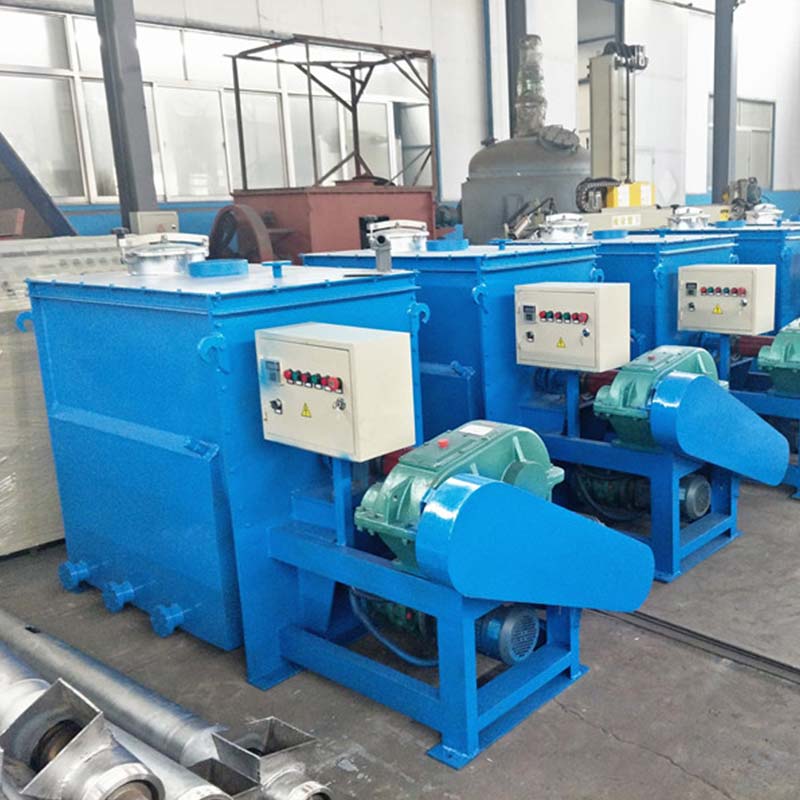
เครื่องผสมอาหารแนวนอน ไม่ใช่เครื่องมาตรฐานประเภทเดียว ในทางปฏิบัติพวกเขาถูกสร้างขึ้นในการกําหนดค่าที่แตกต่างกันขึ้นอยู่กับความต้องการในการดําเนินงาน.
รูปแบบทั่วไป ได้แก่:
- การติดตั้งคงที่ซึ่งออกแบบมาสําหรับการผลิตฟีดแบบรวมศูนย์
- ระบบมือถือที่ใช้โดยตรงที่สถานที่ตั้งฟาร์ม
- การออกแบบเพลาเดียวสําหรับงานผสมมาตรฐาน
- ระบบเพลาคู่ที่ใช้สําหรับสภาวะการผสมที่เข้มข้นยิ่งขึ้น
- ตัวเลือกพลังงานที่ปรับให้เข้ากับสภาพพลังงานที่มีอยู่ในสถานที่
การกําหนดค่าแต่ละรายการสะท้อนถึงสภาพแวดล้อมการทํางานที่แตกต่างกันมากกว่าแนวคิดที่แตกต่างกัน.
การเลือกระบบที่เหมาะสมสําหรับการดําเนินงานในระยะยาว
การเลือกเครื่องผสมอาหารแนวนอนนั้นไม่ค่อยเกี่ยวกับการเปรียบเทียบข้อกําหนดและเกี่ยวกับการจับคู่ระบบกับพฤติกรรมการผลิตจริง.
ประเด็นสําคัญที่มักมีความสําคัญในการตัดสินใจจริง ได้แก่
- รูปแบบความต้องการอาหารสัตว์รายวันมากกว่าความสามารถทางทฤษฎี
- ชนิดและเนื้อสัมผัสของวัตถุดิบที่ใช้เป็นประจํา
- ข้อกําหนดด้านความเสถียรสําหรับการทํางานต่อเนื่องในระยะยาว
- พื้นที่ปฏิบัติงานและเค้าโครงขั้นตอนการทํางานที่มีอยู่
- การเข้าถึงการบํารุงรักษาและการเข้าถึงส่วนประกอบ
ในหลายกรณี ประสิทธิภาพในระยะยาวขึ้นอยู่กับความเหมาะสมในการปฏิบัติงานมากกว่าความแตกต่างทางเทคนิคเบื้องต้น.
สิ่งที่ส่งผลต่อประสิทธิภาพการทํางานเมื่อเวลาผ่านไป
แทนที่จะมุ่งเน้นไปที่โครงสร้างเครื่องจักรเท่านั้น ประสิทธิภาพในระยะยาวจะถูกกําหนดโดยสภาพการใช้งาน.
ปัจจัยที่โดยทั่วไปมีอิทธิพลต่อเสถียรภาพ ได้แก่
- ความถี่ในการทําความสะอาดและการควบคุมสารตกค้างของวัสดุ
- การสึกหรอของใบมีดและการจัดการวงจรการเปลี่ยน
- การตรวจสอบสภาพแบริ่งและการส่งผ่าน
- โหลดความสอดคล้องระหว่างการทํางาน
- วินัยในการบํารุงรักษาเชิงป้องกัน
แม้แต่ระบบที่ออกแบบมาอย่างดีก็อาจสูญเสียประสิทธิภาพได้หากพื้นที่เหล่านี้ถูกละเลยเมื่อเวลาผ่านไป.
เหตุใดการผลิตโดยตรงจึงมีความสําคัญในการดําเนินงานจริง
สําหรับผู้ซื้อส่วนใหญ่ การตัดสินใจจะก้าวไปไกลกว่าข้อกําหนดเฉพาะและไปสู่ความน่าเชื่อถือในระยะยาวในที่สุด.
การทํางานโดยตรงกับผู้ผลิตมักจะให้ข้อดีที่ไม่สามารถมองเห็นได้ในทันทีในระหว่างการเลือก:
- การจัดตําแหน่งที่ดีขึ้นระหว่างการออกแบบเครื่องจักรและความต้องการของฟาร์ม
- มาตรฐานการผลิตที่มีการควบคุมมากขึ้นในระหว่างการผลิต
- เข้าถึงได้ง่ายขึ้นเมื่อต้องการการปรับเปลี่ยนทางเทคนิค
- ความพร้อมใช้งานของส่วนประกอบทดแทนมีความสม่ําเสมอมากขึ้น
- การสื่อสารที่ชัดเจนยิ่งขึ้นระหว่างขั้นตอนการปรับแต่ง
ในทางปฏิบัติจะช่วยลดความไม่แน่นอนระหว่างการติดตั้งและการใช้งานในระยะยาว โดยเฉพาะอย่างยิ่งในการดําเนินงานขนาดใหญ่หรือขยาย.
การนําไปใช้ทั่วโลกและสภาพแวดล้อมการใช้งานจริง
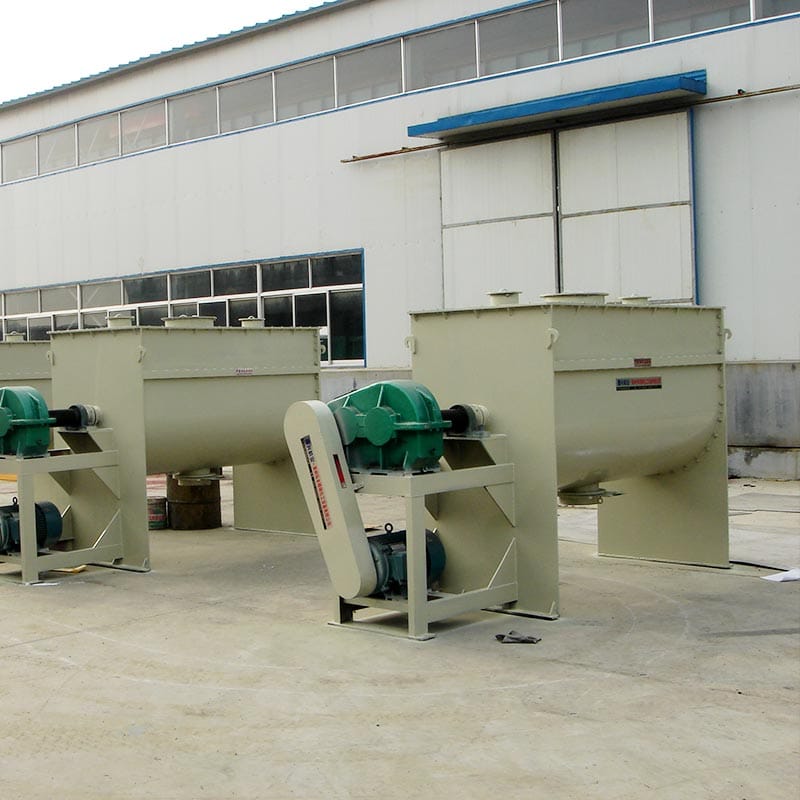
เครื่องผสมอาหารแนวนอน ปัจจุบันมีการใช้กันอย่างแพร่หลายในพื้นที่เกษตรกรรมต่างๆ โดยมีขนาดและเงื่อนไขการทําฟาร์มที่แตกต่างกัน.
พวกเขามักจะใช้ใน:
- พื้นที่เลี้ยงโคขนาดใหญ่ที่มีปริมาณอาหารสูง
- ระบบการผลิตนมที่ต้องการความสม่ําเสมอทางโภชนาการ
- การพัฒนาตลาดเกษตรขยายการทําเกษตรอุตสาหกรรม
- การดําเนินงานด้านปศุสัตว์ที่มุ่งเน้นการส่งออกด้วยกระบวนการอาหารสัตว์ที่ได้มาตรฐาน
แม้จะมีความแตกต่างในสภาพแวดล้อม แต่ความคาดหวังยังคงสม่ําเสมอ: เอาต์พุตฟีดที่เสถียรโดยไม่มีการเปลี่ยนแปลงระหว่างแบทช์.
สรุป
A เครื่องผสมอาหารแนวนอน ไม่ได้เป็นเพียงชิ้นส่วนของอุปกรณ์การประมวลผลมันเป็นส่วนหนึ่งของระบบที่กําหนดวิธีการปศุสัตว์อย่างสม่ําเสมอได้รับโภชนาการ ในการทําฟาร์มที่ทันสมัยที่มีประสิทธิภาพจะผูกติดอยู่กับความมั่นคงอย่างใกล้ชิดผสมอาหารที่ไม่สอดคล้องกันมักจะกลายเป็นแหล่งที่มาที่ซ่อนอยู่ของการเปลี่ยนแปลงประสิทธิภาพ.
ระบบที่เหมาะสมคือระบบที่เข้ากับการปฏิบัติงานประจําวันโดยไม่สร้างความซับซ้อนเพิ่มเติม ตั้งแต่การออกแบบโครงสร้างไปจนถึงพฤติกรรมการบํารุงรักษาทุกรายละเอียดมีส่วนทําให้เกิดความน่าเชื่อถือในระยะยาว.
สําหรับฟาร์มที่วางแผนจะอัพเกรดหรือขยายระบบการให้อาหาร การมุ่งเน้นไปที่ความสม่ําเสมอ ความเหมาะสมในการปฏิบัติงาน และความเสถียรในระยะยาวมีความสําคัญมากกว่าข้อกําหนดระยะสั้นเพียงอย่างเดียว.
คำถามที่พบบ่อย
ไตรมาสที่ 1 เครื่องผสมอาหารแนวนอนใช้สําหรับอะไร?
เครื่องผสมอาหารแนวนอนใช้เพื่อผสมส่วนผสมอาหารสัตว์ต่างๆ ให้เป็นส่วนผสมที่สม่ําเสมอ เพื่อให้มั่นใจว่าได้รับสารอาหารที่สม่ําเสมอสําหรับโค ผลิตภัณฑ์นม และสัตว์เลี้ยงในฟาร์มอื่นๆ.
ไตรมาสที่ 2 เครื่องผสมอาหารแนวนอนช่วยปรับปรุงคุณภาพอาหารสัตว์ได้อย่างไร?
ใช้ระบบผสมแนวนอนพร้อมใบมีดหมุนที่กระจายส่วนผสมอย่างสม่ําเสมอ ลดการแยกและปรับปรุงความสม่ําเสมอของฟีดในทุกชุด.
ไตรมาสที่ 3 อะไรคือความแตกต่างระหว่างเครื่องผสมอาหารแนวนอนและแนวตั้ง?
เครื่องผสมอาหารแนวนอน ให้การผสมที่สม่ําเสมอมากขึ้นและจัดการกับสูตรอาหารที่ซับซ้อนได้ดีขึ้น ในขณะที่เครื่องผสมแนวตั้งมักใช้เพื่อการทํางานที่เรียบง่ายและเล็กลง.
ไตรมาสที่ 4 ฟาร์มประเภทใดที่ใช้เครื่องผสมอาหารแนวนอน?
มีการใช้กันอย่างแพร่หลายในฟาร์มโค ฟาร์มโคนม และการดําเนินงานปศุสัตว์ขนาดใหญ่ ซึ่งจําเป็นต้องมีคุณภาพอาหารสัตว์ที่สม่ําเสมอและประสิทธิภาพการผลิตสูง.
ไตรมาสที่ 5 เครื่องผสมอาหารแนวนอนต้องการการบํารุงรักษาบ่อยแค่ไหน?
การบํารุงรักษาขึ้นอยู่กับการใช้งาน แต่แนะนําให้ทําความสะอาด ตรวจสอบใบมีด และหล่อลื่นเป็นประจําเพื่อให้มั่นใจถึงประสิทธิภาพที่มั่นคงและยืดอายุการใช้งานของเครื่องจักร.