สารบัญ
การบดอุตสาหกรรมไม่ได้เป็นเพียงการเลือกอุปกรณ์อีกต่อไป
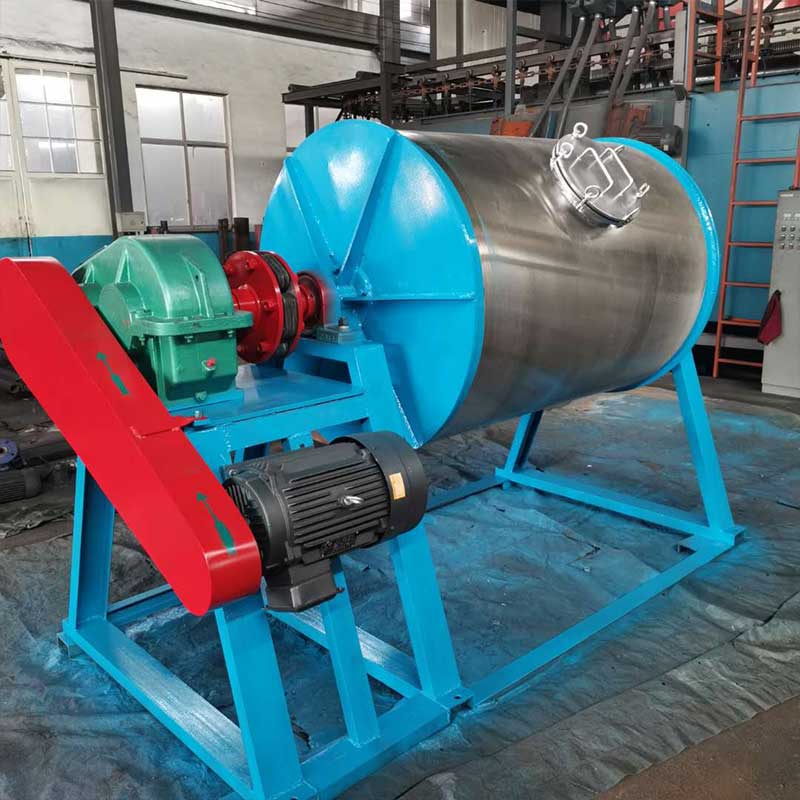
ในโครงการแปรรูปแร่และการผลิตผงส่วนใหญ่ในปัจจุบันโรงสีลูกไม่ได้รับการปฏิบัติเหมือนเครื่องจักรแบบสแตนด์อโลนอีกต่อไป มันตั้งอยู่ภายในห่วงโซ่การผลิตเต็มรูปแบบที่เสถียรภาพการบดส่งผลโดยตรงต่อการแยกปลายน้ําการเผาหรือการให้คะแนนผลิตภัณฑ์.
สิ่งที่ผู้ซื้อจํานวนมากตระหนักหลังจากเปิดโรงงานแล้วเท่านั้นก็คือความแตกต่างด้านประสิทธิภาพแทบจะไม่มาจากประเภทเครื่องจักรเลย แต่มาจากวิธีการออกแบบ ประกอบ และปรับแต่งโดยผู้ผลิต.
นี่คือที่ที่มีประสบการณ์ โรงงานลูกบอล ผู้ผลิต แยกตัวเองออกจากซัพพลายเออร์อุปกรณ์มาตรฐานอย่างเงียบ ๆ.
ลูกบอลที่ดูเหมือนกันบนกระดาษสามารถทํางานแตกต่างไปจากเดิมอย่างสิ้นเชิงในโรงงานจริง โดยเฉพาะอย่างยิ่งภายใต้ภาระต่อเนื่อง ขนาดฟีดที่แปรผัน และรอบการผลิตที่ยาวนาน.
เหตุใดการออกแบบโรงสีลูกเดียวกันจึงมีพฤติกรรมแตกต่างในพืชจริง
ในภาพวาดโรงงานลูกบอลส่วนใหญ่มีลักษณะคล้ายกัน: กระบอกหมุน, ไลเนอร์, ระบบขับเคลื่อนและสื่อบด แต่ในทางปฏิบัติเสถียรภาพขึ้นอยู่กับการตัดสินใจทางวิศวกรรมขนาดเล็กที่ไม่ชัดเจนในขั้นตอนการซื้อ.
ตัวอย่างเช่น:
- วิธีที่รูปร่างซับควบคุมพฤติกรรมการยกวัสดุ
- ไม่ว่าห้องบดจะรองรับการถ่ายโอนพลังงานที่มั่นคงหรือไม่
- ระบบขับเคลื่อนตอบสนองต่อความผันผวนของโหลดอย่างไร
- ไม่ว่าการสั่นสะเทือนจะถูกดูดซับหรือขยายในระหว่างการวิ่งระยะไกล
รายละเอียดเหล่านี้มักจะมองไม่เห็นในระหว่างการจัดซื้อ แต่จะมีความสําคัญหลังการติดตั้ง.
นี่เป็นเหตุผลว่าทําไมผู้ซื้อภาคอุตสาหกรรมจึงประเมินมากขึ้น ผู้ผลิตโรงงานลูกบอล ขึ้นอยู่กับความลึกทางวิศวกรรมมากกว่าข้อกําหนดแค็ตตาล็อก.
ระบบการบดที่แตกต่างกันต้องใช้ตรรกะของโรงสีที่แตกต่างกันโดยสิ้นเชิง
ความเข้าใจผิดทั่วไปในการจัดหาอุปกรณ์คือการสมมติว่าโครงสร้างโรงสีลูกหนึ่งเหมาะกับการใช้งานทั้งหมด ในความเป็นจริงพฤติกรรมการบดเปลี่ยนแปลงอย่างมีนัยสําคัญขึ้นอยู่กับลักษณะของวัสดุ.
ในการใช้งานการทําเหมืองโรงสีมักสัมผัสกับแร่แข็งที่มีขนาดฟีดไม่สอดคล้องกัน ระบบจะต้องทนต่อแรงกระแทกและรักษาความเสถียรในรอบที่ยาวนาน.
ในการผลิตปูนซีเมนต์ความสม่ําเสมอมีความสําคัญมากกว่าแรงกระแทกดิบ ระบบการบดต้องรักษาความละเอียดสม่ําเสมอในขณะที่ควบคุมการใช้พลังงานตลอดการทํางานอย่างต่อเนื่อง.
ในอุตสาหกรรมเซรามิกและผงละเอียด การกระจายตัวของอนุภาคจะมีความไวมากขึ้น ทําให้ต้องมีการควบคุมการเคลื่อนที่ของสื่อการเจียรที่เข้มงวดมากขึ้น.
ความแตกต่างเหล่านี้เป็นเหตุผลว่าทําไมมืออาชีพ โรงงานลูกบอล ผู้ผลิต ไม่ค่อยได้ออกแบบ “one universal model.” แต่พวกเขาจะปรับโครงสร้างภายใน, การกําหนดค่าไดรฟ์, และระบบซับตามตรรกะการใช้งาน.
สิ่งที่แยกผู้ผลิตที่มีความสามารถออกจากผู้จัดจําหน่ายอุปกรณ์ทั่วไป
ในการจัดซื้อจัดจ้างทางอุตสาหกรรม มักจะมีช่องว่างระหว่างซัพพลายเออร์ที่ประกอบอุปกรณ์กับผู้ผลิตที่ทําวิศวกรรมระบบ.
ผู้ผลิตที่มีความสามารถมากขึ้นมักจะมุ่งเน้นไปที่:
- เสถียรภาพโครงสร้างภายใต้สภาวะโหลดต่อเนื่อง
- พฤติกรรมการเสียรูปควบคุมของเปลือกโรงสี
- การเพิ่มประสิทธิภาพการเคลื่อนไหวของสื่อบดแทนการหมุนอย่างง่าย
- การออกแบบความต้านทานการสึกหรอตามรอบการทํางานจริง
- ความเข้ากันได้ของระบบกับอุปกรณ์ต้นน้ําและปลายน้ํา
สิ่งเหล่านี้ไม่สามารถมองเห็นได้ในสื่อการตลาด แต่จะกําหนดระยะเวลาที่ระบบยังคงมีเสถียรภาพโดยไม่มีการแทรกแซง.
ในการดําเนินงานระยะยาว ความแตกต่างเหล่านี้จะปรากฏในความถี่ในการบํารุงรักษา รูปแบบการหยุดทํางาน และความสม่ําเสมอของเอาต์พุต.
การปรับปรุงประสิทธิภาพไม่ได้อีกต่อไปเกี่ยวกับการขยายขนาด
ในโครงการอุตสาหกรรมก่อนหน้านี้การเพิ่มขนาดโรงสีมักถูกมองว่าเป็นวิธีที่ง่ายที่สุดในการปรับปรุงผลผลิต แนวทางนั้นเริ่มพบเห็นได้น้อยลง.
ระบบการเจียรสมัยใหม่กําลังเปลี่ยนไปสู่การเพิ่มประสิทธิภาพผ่านการปรับแต่งการออกแบบมากกว่าการเพิ่มขนาด.
ทิศทางวิศวกรรมที่สําคัญ ได้แก่:
- การปรับรูปทรงของตัวยกภายในเพื่อปรับปรุงการถ่ายโอนพลังงาน
- การเพิ่มประสิทธิภาพการกระจายสื่อบดสําหรับโซนกระแทกที่สม่ําเสมอ
- ลดการบดมากเกินไปด้วยการควบคุมการปล่อยที่ดีขึ้น
- การใช้ระบบการจําแนกประเภทแบบวงปิดเพื่อรักษาเสถียรภาพของขนาดอนุภาค
- การปรับปรุงประสิทธิภาพการส่งผ่านเพื่อลดการสูญเสียทางกล
ความหมายที่แท้จริงก็คือ ประสิทธิภาพในปัจจุบันเป็นเรื่องเกี่ยวกับการควบคุมพฤติกรรมภายในมากกว่ามิติภายนอก.
มีประสบการณ์ ผู้ผลิตโรงงานลูกบอล มีแนวโน้มที่จะมุ่งเน้นอย่างมากไปที่การเพิ่มประสิทธิภาพภายในเหล่านี้.
วิธีที่ผู้ซื้อในอุตสาหกรรมประเมินผู้ผลิตในปัจจุบัน
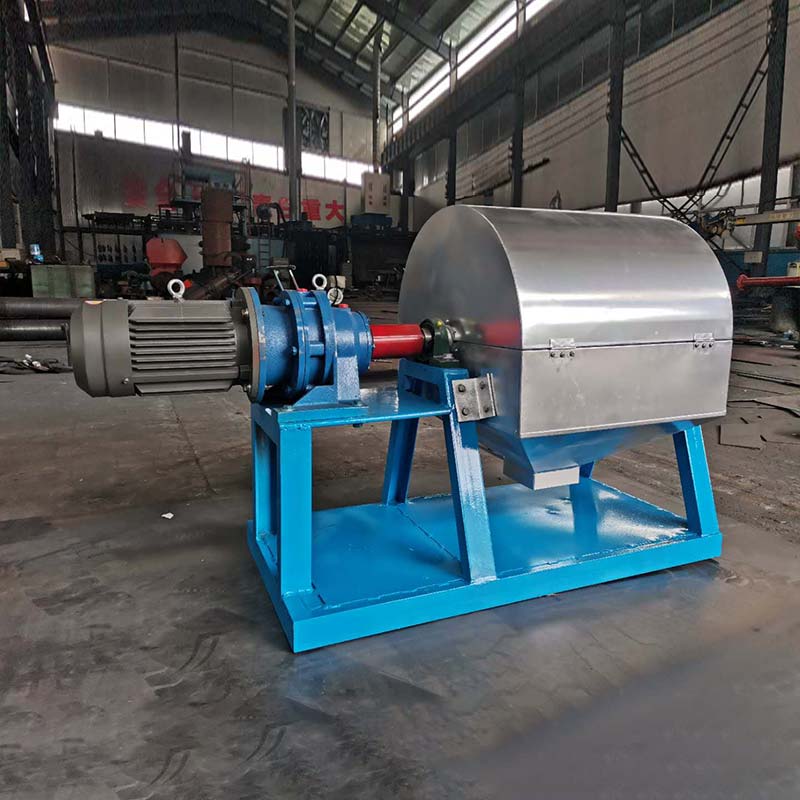
การตัดสินใจจัดซื้อจัดจ้างในหมวดหมู่นี้ไม่ค่อยขึ้นอยู่กับปัจจัยเดียว แต่ผู้ซื้อมักจะประเมินผู้ผลิตจากความเสี่ยงในการดําเนินงานหลายประการ.
จุดประเมินผลทั่วไป ได้แก่
- ไม่ว่าผู้ผลิตจะสามารถปรับการออกแบบให้เข้ากับสภาพแร่หรือวัสดุที่เฉพาะเจาะจงได้หรือไม่
- ความสม่ําเสมอในการผลิตมีเสถียรภาพในหลายหน่วยหรือไม่
- ปัญหาทางเทคนิคได้รับการแก้ไขเร็วแค่ไหนหลังการติดตั้ง
- มีการวางแผนโครงสร้างอะไหล่และการสนับสนุนการบํารุงรักษาหรือไม่
- ไม่ว่าอุปกรณ์จะทํางานได้อย่างน่าเชื่อถือภายใต้วงจรอุตสาหกรรมที่ต่อเนื่องหรือไม่
ในหลายกรณี การตัดสินใจขั้นสุดท้ายได้รับอิทธิพลจากความไว้วางใจในความสามารถทางวิศวกรรมมากกว่าข้อกําหนดทางเทคนิคเพียงอย่างเดียว.
โดยเฉพาะอย่างยิ่งในโครงการเหมืองแร่และการแปรรูปแร่ ซึ่งการหยุดทํางานมีผลกระทบโดยตรงต่อความต่อเนื่องของการผลิต.
ทําไม บอล มิลล์ ประสิทธิภาพมีความเชื่อมโยงอย่างลึกซึ้งกับคุณภาพการผลิต
แม้ว่าโรงงานสองแห่งจะมีข้อกําหนดที่เหมือนกัน แต่ประสิทธิภาพการทํางานก็มักจะแตกต่างกันหลังจากดําเนินการไปหลายเดือน.
สาเหตุที่พบมากที่สุด ได้แก่
- ความทนทานต่อการตัดเฉือนที่ไม่สอดคล้องกันซึ่งส่งผลต่อความสมดุลของการหมุน
- การสึกหรอของไลเนอร์ที่ไม่สม่ําเสมอที่เกิดจากข้อจํากัดในการออกแบบ
- การจัดตําแหน่งไดรฟ์ที่ต่ํากว่ามาตรฐานซึ่งนําไปสู่การสั่นสะเทือน
- การเสริมโครงสร้างไม่เพียงพอภายใต้ภาระระยะยาว
- ความแปรปรวนของรูปแบบการเคลื่อนที่ของสื่อบด
ปัญหาเหล่านี้ไม่สามารถมองเห็นได้เสมอในขั้นตอนการติดตั้ง โดยจะค่อยๆ ปรากฏขึ้นเมื่อระบบเข้าสู่วงจรการผลิตจริง.
นี่คือเหตุผลว่าทําไมคุณภาพการผลิตจึงไม่ใช่ปัจจัยรองที่เชื่อมโยงโดยตรงกับเสถียรภาพในการปฏิบัติงาน.
การใช้งานทางอุตสาหกรรมที่โรงสีลูกมีพฤติกรรมแตกต่างไปจากเดิมอย่างสิ้นเชิง
โรงสีลูกถูกนํามาใช้ในหลายอุตสาหกรรม แต่พฤติกรรมของพวกมันจะเปลี่ยนไปอย่างมากขึ้นอยู่กับบริบทของการใช้งาน.
ในระบบการขุด โรงงานทํางานภายใต้สภาวะการป้อนที่หนักและไม่สม่ําเสมอ ซึ่งความทนทานมีความสําคัญมากที่สุด.
ในการบดซีเมนต์ โฟกัสจะเปลี่ยนไปสู่ความสอดคล้องของเอาต์พุตที่เสถียรและการกระจายอนุภาคที่ควบคุม.
ในการแปรรูปผงเคมีและแร่ธาตุ ความแม่นยํามีความสําคัญมากกว่าปริมาณงานเพียงอย่างเดียว.
ในการผลิตเซรามิก ความบริสุทธิ์ของวัสดุและพฤติกรรมการเจียรละเอียดเป็นสิ่งสําคัญอันดับแรก.
รูปแบบเหล่านี้อธิบายว่าทําไมจึงต้องมีประสบการณ์ ผู้ผลิตโรงงานลูกบอล ไม่ค่อยถือว่าอุตสาหกรรมเป็นกรณีการใช้งานที่ใช้แทนกันได้.
ปัญหาการดําเนินงานที่ปรากฏหลังจากการใช้งานระยะยาวเท่านั้น
ความท้าทายด้านประสิทธิภาพหลายอย่างในระบบโรงสีลูกไม่ปรากฏในระหว่างการว่าจ้าง พวกเขาค่อยๆโผล่ออกมาเมื่อชั่วโมงการทํางานสะสม.
ปัญหารอบยาวโดยทั่วไป ได้แก่:
- ประสิทธิภาพการบดลดลงอย่างค่อยเป็นค่อยไป
- การสั่นสะเทือนที่เพิ่มขึ้นภายใต้การเปลี่ยนแปลงของโหลด
- รูปแบบการสึกหรอของไลเนอร์ที่ไม่สม่ําเสมอ
- การใช้พลังงานที่สูงขึ้นต่อหน่วยผลผลิต
- การสะสมของวัสดุในเขตระบาย
ในกรณีส่วนใหญ่ สิ่งเหล่านี้ไม่ใช่ความล้มเหลวจุดเดียว แต่เป็นความไม่สมดุลระดับระบบ.
ผู้ผลิตที่มีพื้นฐานทางวิศวกรรมที่แข็งแกร่งมักจะแก้ไขปัญหาเหล่านี้ผ่านการปรับโครงสร้าง การออกแบบไลเนอร์ใหม่ หรือการเพิ่มประสิทธิภาพสื่อการเจียร แทนที่จะใช้ชิ้นส่วนทดแทนธรรมดา.
การบํารุงรักษาไม่ค่อยเกี่ยวกับการซ่อมแซม และเกี่ยวกับความเสถียรของระบบมากขึ้น
ในสภาพแวดล้อมทางอุตสาหกรรมมักเข้าใจผิดว่าการบํารุงรักษานั้นเป็นงานซ่อมแซมที่เกิดปฏิกิริยา ในความเป็นจริงมันทําหน้าที่เหมือนการรักษาเสถียรภาพของระบบ.
กลยุทธ์การบํารุงรักษาที่มีประสิทธิภาพมักจะเกี่ยวข้องกับ:
- ติดตามแนวโน้มการสึกหรอแทนที่จะรอความล้มเหลว
- การปรับตารางการหล่อลื่นตามความเข้มในการทํางาน
- การติดตามรูปแบบการสั่นสะเทือนสําหรับสัญญาณเตือนภัยล่วงหน้า
- การวางแผนการเปลี่ยนไลเนอร์ก่อนที่ประสิทธิภาพจะลดลง
- การรักษาการจัดตําแหน่งทั่วทั้งระบบขับเคลื่อนและการหมุน
เมื่อจัดการอย่างเหมาะสม การบํารุงรักษาจะกลายเป็นเครื่องมือควบคุมประสิทธิภาพมากกว่าศูนย์ต้นทุน.
วิศวกรรมที่กําหนดเองกําลังกลายเป็นตัวสร้างความแตกต่างอย่างแท้จริง
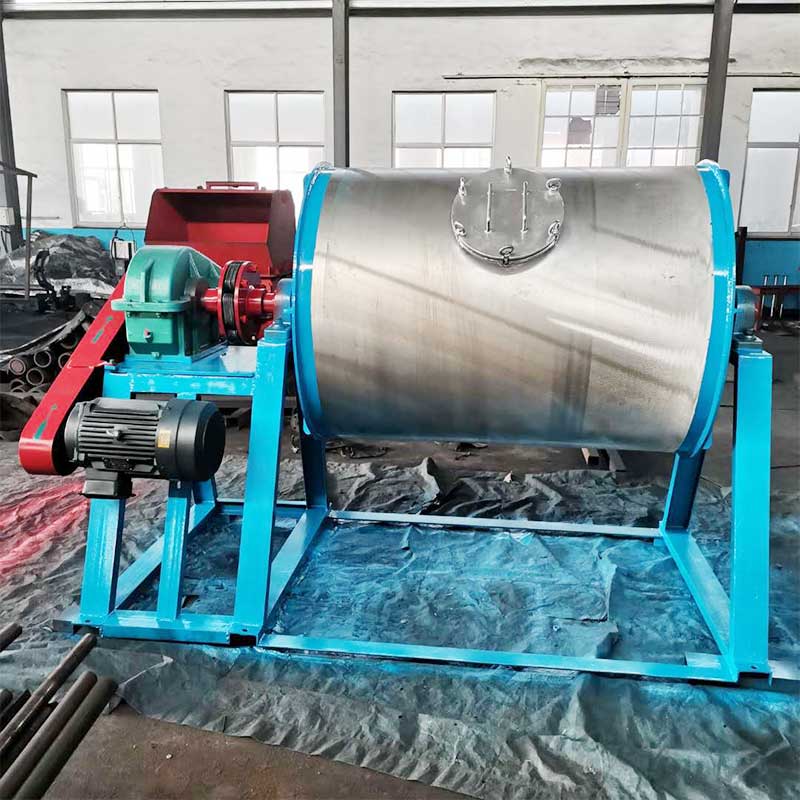
โมเดลมาตรฐานสามารถครอบคลุมการใช้งานขั้นพื้นฐานได้ แต่โครงการอุตสาหกรรมส่วนใหญ่จําเป็นต้องปรับเปลี่ยนในที่สุด.
การปรับแต่งอาจเกี่ยวข้องกับ:
- การปรับอัตราส่วนความยาวโรงงานต่อเส้นผ่านศูนย์กลาง
- การเปลี่ยนโครงสร้างการยกภายใน
- การปรับเปลี่ยนการกําหนดค่าสื่อบด
- บูรณาการระบบการจําแนกประเภท
- การออกแบบผังพืชเฉพาะ
ความยืดหยุ่นทางวิศวกรรมระดับนี้มักเป็นสิ่งที่แยกประสบการณ์ออกจากกัน โรงงานลูกบอล ผู้ผลิต จากซัพพลายเออร์อุปกรณ์ทั่วไป.
มุมมองการปิด
ในระบบการบดอุตสาหกรรมประสิทธิภาพไม่ค่อยถูกกําหนดโดยพารามิเตอร์เดียว เป็นผลมาจากการออกแบบทางกลพฤติกรรมของวัสดุความสอดคล้องในการดําเนินงานและกลยุทธ์การบํารุงรักษาทํางานร่วมกัน.
นี่คือเหตุผลที่การเลือกของ โรงงานลูกบอล ผู้ผลิต ไม่ค่อยเกี่ยวกับการจัดหาอุปกรณ์และเกี่ยวกับความมั่นคงในการผลิตในระยะยาว.
เมื่อระบบได้รับการออกแบบทางวิศวกรรมอย่างเหมาะสม ผลลัพธ์ไม่เพียงแต่ประสิทธิภาพการเจียรที่สูงขึ้นเท่านั้น แต่ยังให้การทํางานที่คาดการณ์ได้ ลดเวลาหยุดทํางาน และการควบคุมคุณภาพผลิตภัณฑ์ขั้นสุดท้ายที่ดีขึ้นในการใช้งานทางอุตสาหกรรมต่างๆ.
คำถามที่พบบ่อย
ไตรมาสที่ 1 ผู้ผลิตโรงสีลูกให้อะไรจริง ๆ?
พวกเขาออกแบบและผลิตระบบการบดที่ใช้สําหรับการแปรรูปแร่ ซีเมนต์ เซรามิก และการใช้งานทางอุตสาหกรรมอื่น ๆ รวมถึงการกําหนดค่าที่กําหนดเองตามความต้องการของวัสดุ.
ไตรมาสที่ 2 ฉันจะเลือกผู้ผลิตโรงงานลูกบอลที่เชื่อถือได้ได้อย่างไร?
มุ่งเน้นไปที่ความสามารถทางวิศวกรรมเสถียรภาพการผลิตตัวเลือกการปรับแต่งระบบควบคุมคุณภาพและประสบการณ์ที่ได้รับการพิสูจน์แล้วในโครงการบดอุตสาหกรรม.
ไตรมาสที่ 3 อุตสาหกรรมใดบ้างที่ใช้กันทั่วไป บอล มิลล์?
โรงงานลูกบอลใช้กันอย่างแพร่หลายในอุตสาหกรรมการขุดการผลิตปูนซีเมนต์การผลิตเซรามิกการแปรรูปทางเคมีและการผลิตผงแร่.
ไตรมาสที่ 4 สิ่งที่มีผลต่อประสิทธิภาพของโรงงานลูกบอลในการทํางานจริง?
ปัจจัยสําคัญ ได้แก่ การออกแบบไลเนอร์ การกระจายสื่อการเจียร ความเสถียรของไดรฟ์ ความสม่ําเสมอของวัสดุป้อน และการกําหนดค่าระบบโดยรวม.
ไตรมาสที่ 5 เหตุใดการเลือกผู้ผลิตจึงมีความสําคัญสําหรับระบบโรงสีลูก?
เนื่องจากคุณภาพการออกแบบส่งผลโดยตรงต่อประสิทธิภาพการบด การใช้พลังงาน ความถี่ในการบํารุงรักษา และความเสถียรในการผลิตในระยะยาว.